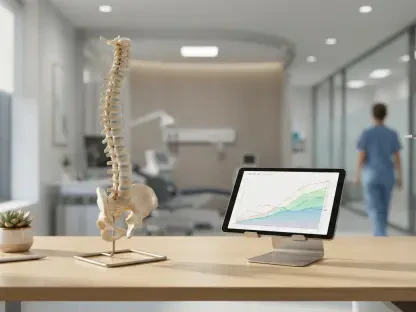

By utilizing population-level analytics, health administrators can monitor clinic outcomes and wait times across the entire national infrastructure in real time. This capability transforms the Australian healthcare landscape by turning vast amounts of daily clinical data into actionable intelligence. Currently, the system often underutilizes the information generated during routine medical interactions, leaving a wealth of knowledge untapped. By prioritizing de-identified data, the medical community moves beyond static observations to identify emerging health trends and improve recovery rates. This digital modernization is not merely about administrative efficiency; it represents a fundamental shift in how the nation approaches public health and disease prevention. As healthcare providers integrate these advanced tools, they create a more responsive environment that prioritizes patient outcomes while safeguarding personal privacy through rigorous protocols that ensure security at all levels.
Digital Evolution: Transitioning from Reactive Models to Predictive Intelligence
Evolving Beyond the Traditional Crisis Model
Experts increasingly argue that the current Australian healthcare framework is built upon an outdated mindset from the middle of the last century, which was designed primarily to handle acute injuries like broken limbs or sudden infections. While effective for isolated incidents, this reactive model is fundamentally ill-equipped to manage the contemporary reality of an aging population suffering from multiple chronic illnesses.
The shift toward a digital-first approach allows the sector to transition from a “break and fix” philosophy to a “predict and prevent” paradigm. By analyzing real-world patterns across diverse demographics, medical professionals can detect the early warning signs of systemic health failures before they escalate into emergencies. This evolution is necessary to maintain the long-term sustainability of the national health system, ensuring that resources are allocated where they can have the greatest preventative impact rather than just responding to crises after they occur.
Utilizing Data Derived from Clinical Experiences
Unlike traditional clinical trials, which are often conducted in strictly controlled environments with limited participant pools, Real-World Data offers insights derived from the daily experiences of millions of diverse individuals. This distinction is vital for understanding how treatments perform in the messy complexity of real life. By tapping into this resource, researchers can uncover medical trends that might be missed in a laboratory setting, leading to more practical and effective healthcare strategies.
This data has already proven its value by helping administrators understand the impact of global health challenges on hospital efficiency and emergency department trends. Analyzing flow patterns during high-pressure periods allows for better staffing adjustments and equipment allocation. By institutionalizing the use of real-world evidence, the medical sector can continuously refine its operational protocols based on actual performance metrics rather than relying solely on historical anecdotes or theoretical projections.
National Infrastructure: Building the Foundation for Digital Health Integration
The Impact of the Health Data Evidence Network
A central theme in this modernization is the establishment of the Australian Health Data Evidence Network, a nine and a half million dollar initiative designed to harmonize electronic medical records across the country. This project serves as the foundation for a unified repository where every patient’s medical history is stored securely. By standardizing data across different systems, the network eliminates the need for patients to manually track their own records or repeat expensive tests when moving between doctors.
Streamlining general practitioner visits through this infrastructure ensures that specialists have immediate access to a patient’s full medical context. This synchronization reduces the administrative burden on medical professionals, who currently spend a significant portion of their day on data entry. When information flows seamlessly, the quality of care improves, as practitioners can make informed decisions based on a complete and accurate picture of an individual’s health status.
Predicting Outcomes Through Advanced Modeling
The most advanced stage of this vision involves using artificial intelligence to develop predictive models of care. These models aim to anticipate medical emergencies, such as sudden blood sugar drops in diabetic patients, by identifying subtle patterns in physiological data. This capability allows for early intervention, often preventing the need for hospitalization and reducing the strain on emergency services. It marks a move toward a truly proactive healthcare delivery model.
To secure these gains, the national strategy focused on refining precision medicine protocols between 2026 and 2028. Stakeholders should now prioritize the integration of AI tools in oncology to determine the most effective chemotherapy for specific cancer types. Maintaining transparency in data usage remains essential for the success of these programs. By fostering a culture of innovation and ethical oversight, the health system can ensure that every citizen benefits from the latest advancements in predictive science.