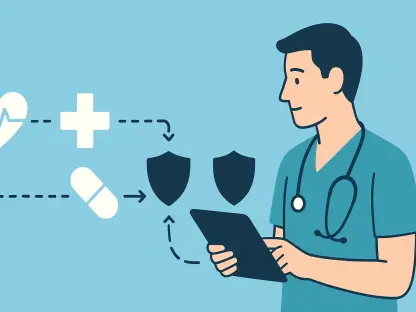

The traditional metric for measuring the success of medical technology has undergone a fundamental transformation, shifting away from raw processing power toward the tangible gift of time restored to frontline clinical staff. In this era of rapid digital integration, the true value of a platform is no longer judged by the sheer volume of features it offers, but by its ability to eliminate the friction that keeps providers glued to computer monitors. As health systems grapple with increasing patient acuity and a tightening labor market, the move toward autonomous and streamlined informatics has become a necessity rather than a luxury. The primary objective is to create an environment where technology serves as a silent facilitator, allowing clinicians to refocus their professional energy on the nuanced work of patient care and diagnostic interpretation. By prioritizing the reduction of administrative overhead, healthcare facilities are effectively buying back the minutes and hours that were previously lost to manual data management and system navigation.
This evolution is particularly visible in the way medical institutions now handle the deluge of information generated at the bedside. While the rapid adoption of sophisticated artificial intelligence across global industries reflects a broad need to manage cognitive overload, its application in medicine is specifically tailored to protect the most essential clinical currency: decision-making time. When digital tools fail to simplify the daily routine, they essentially perform a disservice to the provider, stealing moments that should be spent in direct patient observation or in consultation with colleagues. Modern informatics solutions are now being evaluated based on their “time-to-insight” capabilities, ensuring that the distance between a raw laboratory result and a clinical action is as short and unobstructed as possible. This paradigm shift ensures that technology acts as a force multiplier for the existing workforce rather than an additional burden to be managed.
Addressing Administrative Burdens in Modern Medicine
Point-of-Care Pressure: The Reality of Clinical Coordination
The environment of point-of-care testing is notoriously demanding, characterized by a high-stakes balance between speed and extreme regulatory precision. Coordinators in these departments are frequently tasked with the monumental responsibility of overseeing hundreds of distinct diagnostic devices and thousands of operators distributed across multiple hospital campuses. This ratio of oversight often results in a perpetual state of reactive management, where the coordinator is constantly oscillating between emergency device repairs and the looming threat of compliance audits. Without a centralized system to provide a bird’s-eye view of operations, these professionals find themselves buried in a mountain of paperwork and manual verification steps that distract from the quality assurance missions they were hired to lead. The constant pressure to maintain accreditation standards in such a fragmented environment often leads to significant administrative fatigue, which can ultimately compromise the operational efficiency of the entire health system if left unaddressed.
Despite the massive volume of diagnostic data generated every hour within a modern medical facility, a staggering percentage of this information remains underutilized or entirely discarded. This phenomenon, often referred to as the “data paradox,” highlights a critical gap where organizations possess an abundance of information but lack the synthesized workflows necessary to turn that data into real-time clinical advantages. Without sophisticated synthesis tools, healthcare teams remain trapped in an inefficient cycle of manual data entry followed by retrospective quality reviews that offer very little value for the patient currently in the bed. To resolve this, informatics platforms must move beyond being mere digital filing cabinets; they must evolve into active analytical engines that can flag discrepancies and identify outliers automatically. Bridging this gap is essential for reclaiming the time that staff currently spend searching for relevant information across disparate systems, thereby allowing for a more proactive approach to hospital-wide diagnostics.
Legacy Obstacles: The Complexity of Fragmented Middleware
Historically, the introduction of middleware was intended to be the ultimate solution for bridging the gap between various diagnostic devices and the central laboratory information system. However, the reality for many hospitals was the opposite, as they ended up managing a fragmented landscape of proprietary software packages and separate physical servers for every different manufacturer in their inventory. This siloed approach forced laboratory and IT staff to master a dozen different user interfaces, each with its own set of passwords, maintenance schedules, and technical idiosyncrasies. Instead of a streamlined workflow, these systems created a “technological tax” on the workforce, requiring redundant effort for every new device added to the network. This fragmentation not only increased the total cost of ownership for the equipment but also introduced multiple points of failure that could disrupt the flow of critical patient data at any moment, necessitating a more unified and vendor-neutral approach to informatics.
The documentation burden is perhaps most acutely felt in intensive care and emergency departments, where nurses and specialists are required to track hundreds of data points during a single twelve-hour shift. Studies have indicated that professional caregivers can spend over a third of their active working hours on purely administrative duties and system management, a statistic that correlates directly with the rising rates of burnout across the medical profession. When the digital tools meant to assist these workers require more attention than the patients themselves, the system has fundamentally failed its primary users. Reclaiming this lost time requires a radical redesign of how informatics platforms capture and display data, moving away from manual input toward passive, automated data collection. By reducing the number of clicks required to document a procedure or verify a result, modern systems are finally starting to align with the ergonomic needs of a fast-paced clinical environment, ensuring that the focus remains on the patient rather than the peripheral hardware.
Transitioning to Smarter Workflow Solutions
Strategic Connectivity: Unifying the Diagnostic Landscape
The next generation of point-of-care informatics is moving away from the “more systems” philosophy and toward a model of consolidated, intelligent workflows. By involving laboratory professionals and field coordinators directly in the design and development phases, technology providers are creating platforms that prioritize visibility and intuitive navigation over complex, buried features. These modern interfaces are built to highlight immediate action items through high-contrast visual cues, ensuring that a user can identify a failing quality control test or an expiring operator certification within seconds of logging in. This design philosophy acknowledges that the user’s attention is a limited resource that must be protected, not exploited. By stripping away the noise of non-essential data, these platforms empower staff to make faster decisions and move through their daily task lists with significantly greater confidence and fewer interruptions.
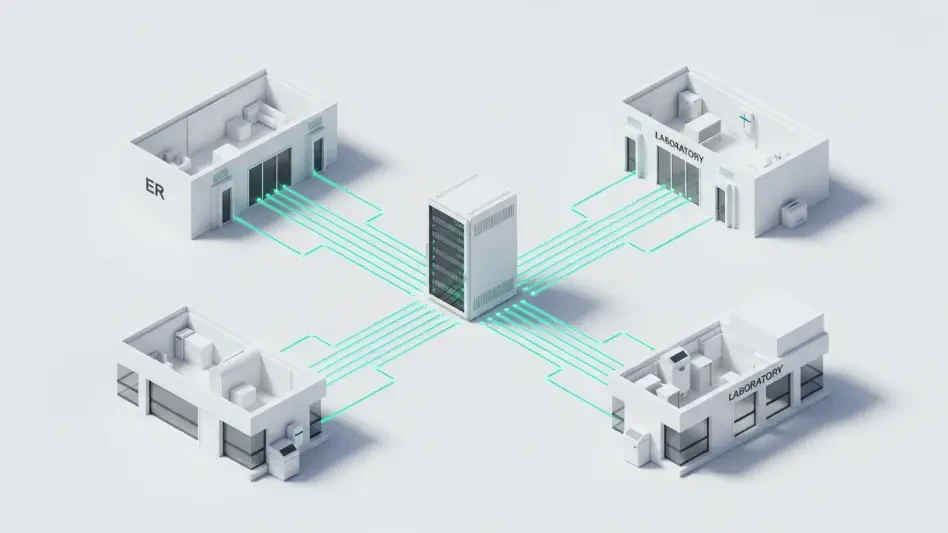
Connectivity is now viewed as a strategic asset rather than just a technical requirement, especially as modern hospitals continue to utilize diverse equipment fleets from dozens of different manufacturers. An effective informatics platform must offer open connectivity to support hundreds of unique device interfaces through a single, unified hub, regardless of the brand on the exterior of the device. This approach simplifies the overall IT infrastructure and allows for standardized quality governance across the entire health network, ensuring that every department follows the same protocols and security measures. When a hospital can manage its glucose monitors, blood gas analyzers, and infectious disease kits through one central portal, the training requirements for staff are dramatically reduced. This unification not only saves time during initial onboarding but also ensures that updates and security patches can be deployed across the entire fleet simultaneously, significantly reducing the potential for technological downtime.
Operational Intelligence: Converting Data Into Immediate Action
There is a vital distinction between a passive report that describes what happened yesterday and an actionable insight that guides what should happen right now. Modern informatics platforms use interactive charts and flexible, real-time filters to help teams identify negative trends before they escalate into device failures or quality control breaches. Instead of waiting for a weekly or monthly summary, coordinators can now see a live feed of performance metrics, allowing them to intervene exactly where and when their expertise is needed. This proactive shift allows for a much more efficient allocation of human resources, as staff are no longer performing “rounds” on devices that are functioning perfectly. Instead, they can prioritize their movements based on real-time needs, ensuring that the highest-risk issues are addressed first. This transition from a scheduled maintenance model to an on-demand, data-driven model is a cornerstone of modern operational efficiency.
The integration of advanced analytics into the daily workflow also facilitates a deeper understanding of operator performance and device reliability across multiple sites. By comparing the performance of identical devices in different departments, informatics leaders can identify environmental factors or training gaps that might be contributing to sub-optimal results. This level of granular visibility was previously impossible when data was trapped in paper logs or isolated software modules. Now, with a few simple clicks, a manager can generate a comparative analysis that would have previously taken days of manual data aggregation. This capability does more than just save time; it provides the evidence-based foundation required for continuous process improvement. When clinicians have access to clear, visual representations of their performance, they are more likely to engage with quality initiatives and adopt new, more efficient practices that benefit the entire organization.
Enhancing Efficiency Through Strategic Automation
Automated Compliance: Simplifying Certification and Audits
One of the most persistent and significant time-sinks for clinical coordinators is the manual management of operator certifications for a massive and mobile workforce. In a typical hospital, thousands of employees may need to be certified on multiple different point-of-care devices, each with its own specific training requirements and expiration dates. When this process is handled via manual spreadsheets or antiquated tracking systems, human error is inevitable, often leading to staff being unexpectedly locked out of critical diagnostic devices during patient emergencies. Modern informatics platforms solve this issue by linking operator records directly to training modules and automating the entire recertification lifecycle. By setting predefined criteria for proficiency, the system can automatically grant or revoke access based on real-time performance, eliminating the need for a coordinator to manually update thousands of individual profiles every month.
Maintaining the highest standards for quality control and regulatory compliance is a daily discipline that requires meticulous record-keeping and constant vigilance. A unified informatics platform provides a clear, end-to-end record of every patient result, every quality control test, and every operator action taken within the system. This level of comprehensive traceability allows healthcare teams to respond to complex audit requests in a matter of minutes rather than the days or weeks it once took to compile paper records. During an unannounced inspection, the ability to instantly pull up a specific operator’s training history or a device’s maintenance log can be the difference between a successful survey and a costly deficiency. By automating the “paper trail,” these systems give laboratory leaders the peace of mind to focus on clinical excellence rather than the mechanics of record preservation, ensuring that the facility is always in a state of audit-readiness.
Infrastructure Optimization: Maximizing Institutional Resources
By consolidating multiple diagnostic categories into a single informatics hub, health systems can significantly reduce their internal IT burden and the associated infrastructure costs. In the past, every new diagnostic platform might have required its own dedicated server and specialized maintenance routine, leading to a bloated and expensive technology stack. Modern solutions often utilize virtualized environments or cloud-based architectures that allow for seamless scaling without the need for constant hardware upgrades. This simplification reduces the complexity of disaster recovery plans and ensures that the hospital’s data security protocols are applied uniformly across all diagnostic activities. When the IT department only has to manage one primary informatics interface for the laboratory, they can provide better support and faster response times for the clinical teams on the front lines.
Ultimately, the most significant measure of innovation in healthcare technology is the amount of time and energy it successfully returns to the professional workforce. By automating administrative burdens and providing clear, actionable data, modern informatics tools act as invisible partners in the care process rather than visible hurdles that must be overcome. Reclaiming this time improves staff morale, reduces the risk of fatigue-related errors, and directly contributes to safer and more efficient patient outcomes across the entire continuum of care. As hospital leaders look toward the future, the decision to invest in consolidated informatics is not just a technical choice, but a commitment to the well-being and productivity of their most valuable asset: their people. By choosing tools that respect the user’s time, organizations are building a more sustainable and resilient healthcare system that is better equipped to meet the challenges of the coming years.
The implementation of these advanced informatics strategies represented a pivotal moment for healthcare leadership, as they recognized that technology must prioritize the human element of care. By auditing existing workflows and identifying the specific points where administrative friction occurred, organizations successfully transitioned from a reactive to a proactive operational posture. The automation of certification and compliance tasks proved to be a catalyst for improved staff retention, as clinicians felt more supported by the tools they used daily. Moving forward, the focus remained on the continuous refinement of these digital hubs to ensure they adapted to emerging diagnostic technologies without adding new layers of complexity. This transition demonstrated that the most effective way to improve patient safety was to provide the workforce with the clarity and time necessary to perform at their highest level. Organizations that embraced this philosophy found themselves better positioned to scale their operations while maintaining the rigorous quality standards essential for modern medicine.