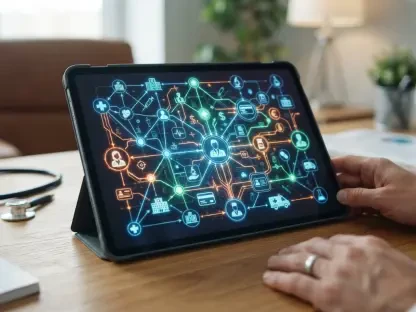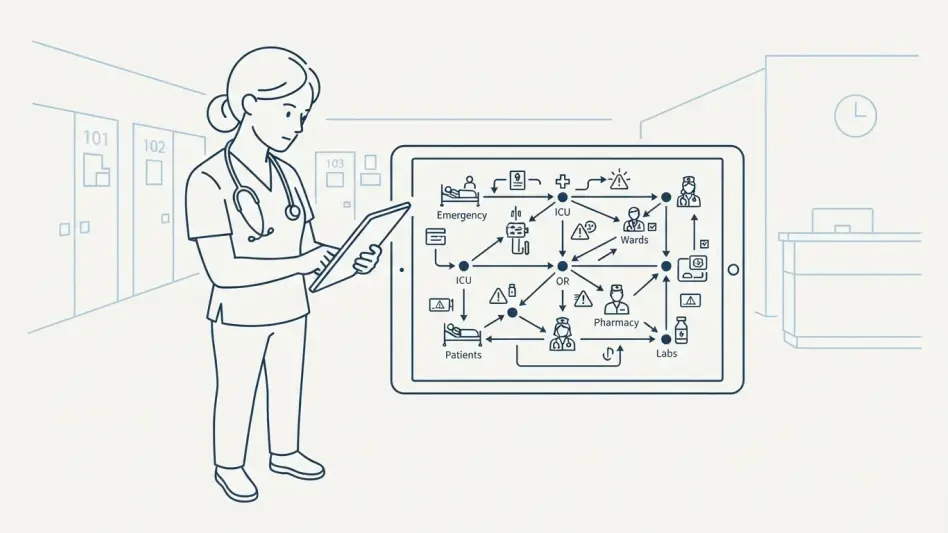

The traditional image of a nurse as a passive implementer of medical orders has finally been replaced by a reality where these professionals act as the primary architects of clinical efficiency. Across the current landscape of 2026, the most effective medical solutions are no longer descending from isolated boardrooms but are rising directly from the ward. This shift acknowledges that those who spend the most time with patients are uniquely positioned to identify and rectify systemic flaws. Consequently, nursing has transitioned into a design-oriented profession, where clinical expertise is paired with a sophisticated understanding of operational logistics.
This evolution is particularly significant because it addresses the growing complexity of modern medical environments. While administrators focus on macro-level policy, nurses operate at the granular level where policy meets the patient. This “dual vision” allows them to spot inefficiencies that remain invisible to external observers. As the healthcare sector faces rising volumes and a need for sustainable models, the frontline nurse has emerged as the essential bridge between high-level institutional goals and the practical realities of daily bedside care.
The Invisible Architects of Clinical Evolution
Modern nursing has moved far beyond the narrow stereotype of clinical execution to embrace a comprehensive role as healthcare designers. In the current environment, the most impactful innovations originate in the corridors where the friction of daily practice is most visible. Because nurses are responsible for the immediate physical and emotional well-being of patients, they are the first to encounter the flaws in a new protocol or the limitations of a digital tool. This proximity transforms them into natural problem-solvers who can visualize a smoother trajectory for the entire clinical team.
The unique vantage point of the nursing profession allows for a holistic understanding of how various departments intersect. Standing at the intersection of administrative mandate and direct care, nurses recognize when a directive from the top fails to translate into effective action at the bottom. This realization has catalyzed a movement where the ward serves as a laboratory for progress. Instead of waiting for external solutions, nurses are now spearheading the development of workflows that prioritize clinical flow over bureaucratic convenience, ensuring that patient safety remains the central focus.
Why the Shift Toward Nurse-Led Innovation Is Essential Now
Addressing the systemic friction inherent in contemporary healthcare requires more than just increased funding or additional staffing. Systemic issues such as administrative bloat and clinician burnout have created a landscape where traditional management strategies often fall short. Top-down initiatives frequently fail to account for the minute-by-minute realities of a busy unit, leading to tools that add more work rather than reducing it. By shifting the focus toward nurse-led innovation, institutions can tap into a deep well of practical knowledge that directly counters operational stagnation.
The limitations of external technology development have become increasingly apparent as digital tools often neglect the ergonomics of bedside care. In a post-pandemic landscape where efficiency is tied to institutional survival, connecting frontline expertise to operational strategy is a necessity. Nurses possess the insight to strip away redundant tasks, allowing teams to reclaim their “time to care.” This shift is not merely about professional empowerment; it is a strategic imperative to ensure that health systems can handle increasing patient complexity without compromising the quality of the human connection.
Five Pillars of Nursing-Led Progress in Health Systems
Innovation in 2026 is anchored by five distinct pillars that redefine how care is delivered and managed. First, the de-institutionalization of preventative care has seen the rise of “Neighborhood Nursing” models. By placing nurses in community hubs like libraries and schools, healthcare becomes a proactive service rather than a reactive one. This model prioritizes accessibility regardless of insurance status, effectively reducing the strain on emergency rooms. Second, the automation of administrative burdens has advanced through AI agents. These tools, designed with nursing input, now handle complex leave and disability paperwork, removing the logistical bottlenecks that often lead to professional fatigue.
Third, data-driven workplace safety has transitioned from a reactive stance to a proactive one. Nurses have designed wearable technology and discreet alarm systems, like the “GuardianClip,” alongside predictive behavioral monitoring platforms to anticipate escalations before they occur. Fourth, workforce stabilization is being achieved through mentorship-focused technology. Platforms like “Clinical Compass” facilitate a smoother transition for new graduates, fostering human-centric ecosystems that reduce turnover. Finally, clinical communication has been optimized through custom navigation platforms. These tools bridge the information gap between multidisciplinary teams and families, significantly reducing medical errors through synchronized, real-time data sharing.
Insights from the Frontline: Expert Perspectives and Success Stories
The integration of nursing insights has become a core operational strategy for leading institutions like the Mayo Clinic. By including nursing leadership in every major technological rollout, these organizations ensure that new systems actually enhance the workflow of those on the frontlines. This collaborative approach has demonstrated that when the staff is treated as a primary stakeholder, the adoption rate of new protocols increases significantly. Success stories from the Johnson & Johnson Nurse Innovation Fellowship further illustrate this, as participants transform identified problems into scalable, marketable responses that benefit the entire industry.
Formalizing these feedback loops through systems like the “IMPROVE” engine allows for a continuous cycle of refinement. Atrium Health’s “Listen Linda” program and similar initiatives at other hospitals provide a structured environment where even the smallest suggestion for efficiency can reach executive decision-makers. These case studies prove that innovation is not a one-time event but a cultural commitment. When nurses see their ideas implemented and validated, it not only improves the facility’s operations but also restores a sense of professional agency and purpose that is often lost in high-pressure environments.
Strategies for Cultivating an Innovation-First Nursing Culture
Cultivating a culture of innovation requires more than verbal encouragement; it demands structural formalization. Healthcare executives must create clear, accessible pathways for frontline feedback to influence high-level decisions. This involves allocating dedicated time and resources for nurses to pilot and test new protocols within their units. When a nurse identifies an inefficiency, there should be a “Listen and Launch” framework in place that allows for rapid prototyping and cross-departmental collaboration with IT developers. This infrastructure ensures that good ideas do not wither due to a lack of institutional support.
Scaling these local solutions for global impact is the final stage of a mature innovation strategy. Successful pilot programs at individual hospitals should be identified and analyzed for system-wide rollout. Investing in nursing leadership training is also crucial, as it bridges the gap between clinical practice and entrepreneurial thinking. By teaching nurses how to frame their observations as business cases, hospitals empower their most valuable assets to drive change. This approach turns every ward into an incubator for progress, ensuring that the healthcare system remains resilient and responsive to the evolving needs of the population.
The industry finally recognized that the most sustainable solutions were those born from clinical necessity rather than theoretical management. Healthcare leaders moved to establish integrated research labs within hospital units where nurses collaborated directly with engineers. These partnerships successfully reduced administrative overhead and improved safety protocols across the board. Future initiatives focused on expanding this model to rural clinics, ensuring that frontline innovation reached the most underserved communities. By prioritizing these structural changes, the healthcare sector solidified a path toward a more efficient and human-centered future.