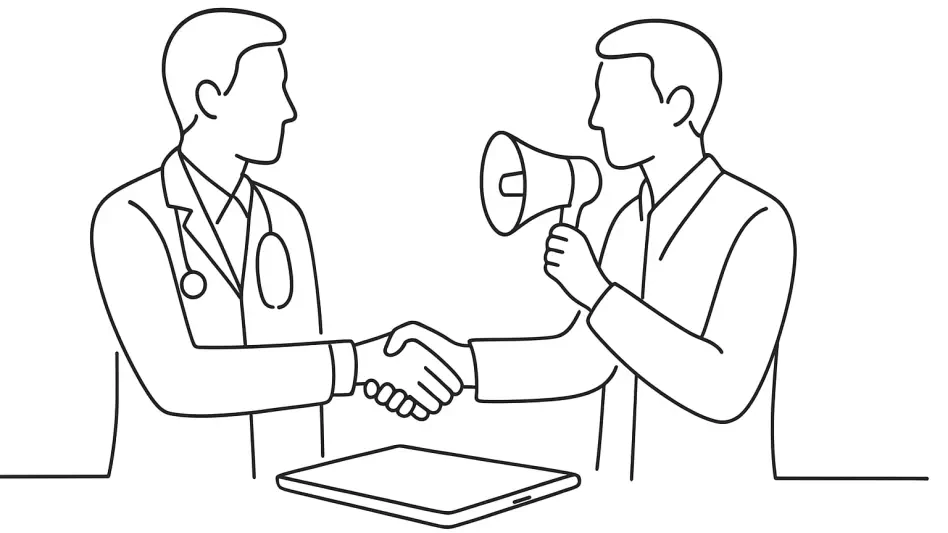

Collaborative workflows that integrate medical and safety teams into the initial planning stages can prevent the gutting of creative content during the final review. This proactive approach addresses a fundamental friction point within the pharmaceutical industry: the tendency to use regulatory frameworks like the PMCPA and ABPI codes as a shield against digital innovation. While these guidelines are vital for maintaining ethical standards and public safety, they are frequently cited as the reason for lackluster, overly corporate communication. In reality, the struggle to engage audiences on social platforms often stems from a lack of strategic depth rather than purely legal restrictions. Organizations that treat social media as an extension of a dry press office inevitably fail to capture the attention of a digital-native audience that values authenticity and transparency. By reframing compliance as a boundary rather than a barrier, marketing teams can begin to explore creative narratives that respect the law while fostering genuine connection.
Navigating Regulatory Frameworks and Corporate Tone
The Transition: From Press Office to Social Mindset
The primary hurdle for pharmaceutical brands remains the outdated reliance on a “press office” mentality, where communication is treated as a one-way broadcast of sanitized information. In the current digital landscape, every like, share, or repost is viewed by regulators as a proactive dissemination of information, which carries significant legal weight regarding the promotion of prescription-only medicines to the general public. To navigate this successfully, organizations must pivot toward a social mindset that distinguishes between product claims and non-regulated corporate narratives. This requires a sophisticated understanding of how to discuss corporate culture, manufacturing excellence, and the scientific methodology behind drug development without triggering promotional red flags. By focusing on these “behind-the-curtain” stories, companies can build a robust brand presence that feels accessible and informative rather than strictly transactional or promotional.
Furthermore, this transition involves a fundamental change in how digital “real estate” is utilized across various platforms to meet the expectations of different user demographics. Marketing departments must move away from the habit of cross-posting the same corporate announcement to every channel, a practice that often leads to low engagement and high abandonment rates. Instead, the focus should shift to creating value-driven content that aligns with the specific nature of each social network while maintaining a consistent undercurrent of regulatory awareness. This strategy ensures that the brand remains visible and relevant to stakeholders, including healthcare professionals and patient advocacy groups, without overstepping the boundaries set for public-facing communication. The goal is to build an ecosystem where compliance is an integrated feature of the creative process, allowing for more fluid and responsive digital interactions that mirror the speed of modern social media.
Standardized Governance: Implementing the Tone of Voice Guide
A significant operational bottleneck in pharmaceutical marketing is the risk-review process, where medical and legal professionals often feel compelled to strip the personality from content to ensure absolute safety. To mitigate this, successful organizations have begun implementing pre-approved Tone of Voice (TOV) guides that serve as a standardized framework for all digital communication. These documents provide clear, signed-off examples of how the brand should sound, ranging from empathetic responses to patient inquiries to technical explanations of research breakthroughs. When a TOV guide is established, reviewers can audit new content against an agreed-upon aesthetic and linguistic standard rather than relying on subjective individual preferences. This shift not only accelerates the approval timeline but also ensures that the brand’s voice remains human and relatable across all touchpoints, effectively reducing the “robotic” feel of compliant text.
This standardized governance approach also facilitates better training for social media managers who may not have a background in medical regulatory affairs. By providing a library of approved phrases, cautionary examples, and specific guidelines for handling sensitive topics, companies empower their creative teams to push the envelope within safe parameters. For instance, a TOV guide might outline how to acknowledge a user’s comment without providing medical advice, or how to redirect a product-specific question to the appropriate medical information channel without sounding dismissive. This proactive preparation turns the review process from a series of “no” responses into a collaborative effort to find the most effective “yes.” Ultimately, a well-defined voice allows a pharmaceutical company to project a consistent, trustworthy, and approachable identity that stands out in a crowded digital feed while staying fully aligned with legal requirements.
Building Human-First Content and Community
The Human Element: Moving Beyond Corporate Logos
Digital platforms are inherently designed for human interaction, rewarding content that features faces, authentic stories, and relatable challenges over polished corporate logos or financial milestones. Pharmaceutical companies often struggle with this because their primary “product” is highly regulated, leading them to fall back on safe but unengaging corporate branding. To break this cycle, organizations should develop content pillars that center on the people and the “why” behind the science, such as the ethical considerations of clinical trial design or the dedication of lab researchers. By highlighting the human effort required to bring a therapy to market, brands can foster a sense of trust and transparency that resonates with patients and caregivers alike. This shift from “the pill” to “the process” allows a company to build significant brand equity and recognition without ever making a promotional claim about a specific medication.
Moreover, human-centric storytelling provides a platform for discussing corporate social responsibility and health equity initiatives in a way that feels genuine rather than performative. For example, documenting the journey of a scientist who was inspired by a personal family history of disease can create a deep emotional connection with the audience that a traditional press release never could. These narratives humanize the vast corporate machinery of big pharma, making the organization appear more like a collection of dedicated individuals working toward a common goal of improving global health. When the audience begins to see the people behind the research, the regulatory constraints around product promotion become less of a hindrance, as the focus naturally remains on the brand’s values and scientific contributions. This approach effectively bridges the gap between high-level science and the everyday experiences of the people the industry aims to serve.
Active Engagement: Community Management and Adverse Events
Proactive community management is often viewed with trepidation in the pharmaceutical sector due to the risk of users reporting adverse events in the comment sections of social posts. However, disabling comments or ignoring interactions is no longer a viable strategy, as it makes a brand appear unapproachable and out of touch with its stakeholders. The solution lies in a robust partnership between social media managers and safety teams to manage real-time interactions through a well-defined protocol. Companies should establish clear response times and use automated monitoring tools to flag potential safety reports immediately, ensuring they are documented and processed according to global pharmacovigilance standards. By being present and active in the conversation, brands can demonstrate accountability and a commitment to patient safety, which actually enhances their reputation within the digital community.
Effective engagement also requires a tailored approach to different social channels, acknowledging that the needs of a healthcare professional on LinkedIn differ significantly from those of a caregiver on Facebook. A successful community management strategy involves creating dedicated spaces for these different groups to interact with the brand on their own terms. This might include hosting private LinkedIn groups for expert discussions on therapeutic area trends or providing supportive resources for advocacy groups on more visual platforms like Instagram. When a company manages its online community with transparency and empathy, it builds a reservoir of goodwill that can be invaluable during times of crisis or industry scrutiny. By viewing every comment as an opportunity for meaningful dialogue rather than a regulatory risk, pharmaceutical brands can transform their social presence from a static billboard into a dynamic and supportive resource for the entire health ecosystem.
Optimizing Internal Processes and Employee Voices
Operational Efficiency: Integrated Planning and Review
The evolution of pharmaceutical social media requires a shift in internal operations, moving away from siloed departments toward a model of integrated planning and agile review cycles. Integrating medical, legal, and regulatory reviewers into the earliest stages of the creative process ensures that compliance insights are baked into the content strategy from the start. This prevents the common and costly scenario where finished creative assets are gutted at the eleventh hour because they inadvertently crossed a regulatory line. By batching content for review and establishing a predictable rhythm for approvals, marketing teams can maintain the agility needed to participate in timely industry conversations. Utilizing collaborative project management software that includes version control and clear audit trails further streamlines this process, providing a transparent record of all changes and approvals for future regulatory inspections.
Building on this operational foundation, companies should also invest in data-driven insights to track the turnaround times of the review process and identify recurring bottlenecks. If certain types of content consistently require more revisions, this may indicate a need for clearer guidelines or additional training for the creative staff. On the other hand, analyzing which approved posts perform best in terms of engagement can help compliance teams understand what “safe” content looks like when it is actually effective. This feedback loop creates a culture of continuous improvement where both marketing and regulatory teams are working toward the same objective: high-impact, compliant communication. This level of operational excellence allows the organization to respond to digital trends with the speed of a startup while maintaining the rigorous oversight of a global healthcare leader, ensuring that the brand remains a relevant voice in a fast-paced environment.
Strategic Advocacy: Empowering the Employee Voice
Empowering employees to serve as brand advocates represents a significant opportunity for pharmaceutical companies to expand their reach and humanize their scientific mission safely. Since the activities of staff on personal social media accounts can carry regulatory implications, many firms have historically opted for a policy of silence or strict restriction. However, a more effective strategy involves providing employees with the tools, training, and guardrails they need to share their expertise and professional pride within compliant boundaries. This includes offering pre-approved writing prompts, visual assets, and clear “do and don’t” lists that help subject matter experts, such as lead researchers or clinical trial managers, post about their work without risking a code violation. When employees share their personal perspectives on industry trends or corporate culture, it adds a layer of credibility that corporate-owned channels simply cannot match.
To conclude, the path forward for pharmaceutical engagement on social media was paved by organizations that recognized compliance as a facilitator of trust rather than a deterrent to creativity. Successful firms shifted their focus from tracking vanity metrics, such as total follower counts, toward measuring meaningful engagement and the quality of digital conversations. They implemented robust internal workflows that prioritized early collaboration between creative and regulatory teams, ensuring that every post met the highest ethical standards without losing its human touch. By empowering their workforce to act as authentic advocates and tailoring their content to the specific needs of diverse digital communities, these brands established a leadership position in a competitive landscape. Ultimately, the industry moved toward a model where storytelling and safety coexisted, proving that a well-regulated social presence was not only possible but essential for long-term strategic success.