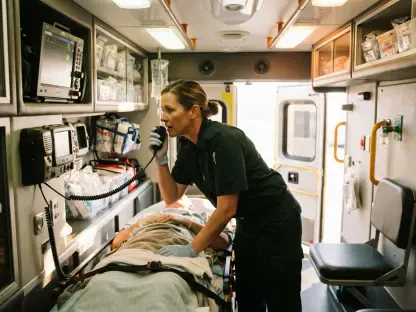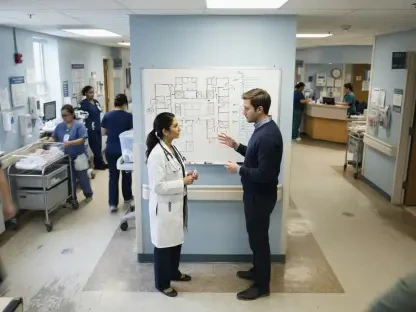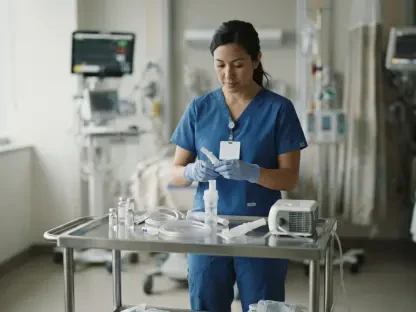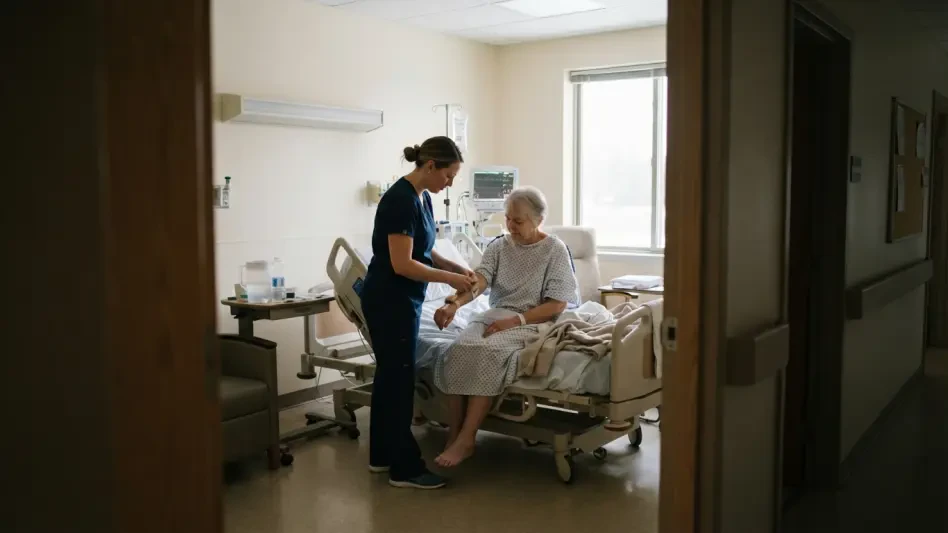

Residents in remote agricultural communities often face a geographical disadvantage that complicates the delivery of lifesaving medical interventions during critical windows of illness. While urban centers boast high-tech facilities, rural hospitals frequently struggle with limited resources and staffing shortages that leave patients vulnerable. To address this disparity, Houston Methodist has pioneered a strategic expansion of its virtual care model, extending its sophisticated remote monitoring infrastructure into rural Kansas hospitals. This initiative targets an initial group of facilities with plans to scale coverage to 500 beds across eight distinct locations. By deploying the FDA-cleared BioButton wearable, the program moves beyond traditional bedside care to create a continuous safety net for patients who might otherwise receive only intermittent observation. This shift represents a fundamental change in how rural healthcare operates, prioritizing proactive surveillance over reactive treatment in environments where every minute is vital.
The Technological Framework: Implementing Continuous Surveillance
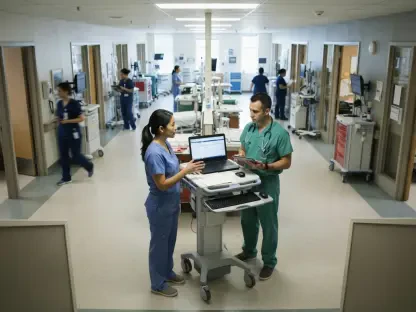
The implementation of wearable technology like the BioButton allows for a staggering increase in the frequency of physiological data collection compared to traditional manual checks. In a typical hospital setting, nurses might record a patient’s vital signs only four to six times every twenty-four hours, leaving significant gaps during which a condition could quietly deteriorate. However, this wearable sensor captures 1,440 readings daily, monitoring essential metrics such as heart rate, respiratory rate, and skin temperature in real time. This high-frequency data stream is transmitted to a centralized dashboard in Houston, where a dedicated team of clinical professionals maintains constant oversight. This technological foundation ensures that no subtle shift in a patient’s status goes unnoticed, effectively digitizing the bedside and providing a level of vigilance that was previously impossible in understaffed rural wards. The data becomes a living record of recovery.
Technology alone cannot provide the nuanced judgment required to manage complex clinical cases, which is why the program relies on a team of highly experienced nurses. These remote monitors bring an average of 17 years of critical care experience to the table, allowing them to interpret incoming data through a sophisticated clinical lens. Instead of merely reacting to an automated alarm, these experts evaluate information alongside the patient’s full history, including recent laboratory results and medication changes. This prevents the alarm fatigue that often plagues high-tech environments and ensures that interventions are both timely and appropriate. By centralizing this expertise in Houston to support facilities in Kansas, the health system effectively exports high-tier clinical knowledge to areas where specialized staffing is difficult to maintain. This synergy between advanced hardware and human intuition forms the backbone of a modern rural care strategy.
Clinical Evidence: Modernizing Care for Rural Populations
The push toward broad implementation is grounded in compelling data that illustrates how continuous monitoring directly translates into improved patient safety and better outcomes. A pivotal study published in the Journal of Clinical Medicine in 2025 examined the impact of combining high-frequency surveillance with a proactive Clinical Emergency Response Team. The results indicated that this specific workflow led to a measurable decrease in the severity of illness at the moment of ICU transfer, suggesting that problems were caught much earlier. Furthermore, the data showed a significant drop in hospital mortality rates and a notable reduction in the average length of stay for patients enrolled in the program. These findings confirm that when clinicians have access to continuous data, they can intervene before a medical crisis becomes irreversible. For rural hospitals, these metrics are not just numbers; they represent lives saved and resources utilized more efficiently.
The shift toward integrated remote monitoring provided a clear roadmap for addressing the chronic inequities faced by rural patient populations. Stakeholders recognized that technology was never a replacement for inadequate staffing but rather a powerful tool that amplified the capabilities of existing clinical teams. By prioritizing high-frequency data and expert human oversight, health systems successfully moved away from reactive management toward a more preventative posture. This evolution required a significant investment in hardware and human capital, yet the resulting improvements in safety and mortality rates justified the expenditure. Moving forward, the industry learned that the most effective solutions combined technical innovation with rigorous clinical workflows. This transition marked a turning point in the modernization of rural healthcare, ensuring that the quality of care was no longer determined solely by proximity to a major metropolitan center.