
Modern medical practitioners consistently deliver miracles in surgical suites and intensive care units, yet these clinical victories frequently evaporate the moment a patient crosses their own threshold. The United States healthcare infrastructure remains unparalleled in its ability to deploy cutting-edge robotic surgeries and gene-based therapies, effectively conquering the most complex biological challenges known to science. However, this mastery of the first miles of care—the diagnosis and acute treatment phase—stands in stark contrast to the catastrophic neglect of the last mile, which encompasses the transition from a sterile clinical environment to the unmanaged reality of a patient’s residence. When a patient is discharged, the responsibility for their recovery often shifts abruptly from a team of specialized professionals to overwhelmed family members who lack the tools and training to manage the situation. This systemic disconnect ensures that even the most expensive interventions can fail simply because the logistics of daily life at home were never considered part of the medical plan.
Identifying the Barriers to Recovery
Logistical Failures: The Equipment Coordination Crisis
The period immediately following hospital discharge represents a window of extreme vulnerability, particularly when the delivery of essential medical equipment is poorly coordinated or entirely forgotten. It is a recurring tragedy to see an elderly patient successfully undergo a high-stakes orthopedic procedure only to spend the first three nights of their recovery on a standard sofa because the promised hospital bed failed to arrive. These logistical breakdowns force families to spend their energy navigating a labyrinthine bureaucracy of insurance adjusters, equipment suppliers, and administrative staff instead of focusing on the actual physical rehabilitation of the patient. This three-day delay is not merely an inconvenience; it is a period of heightened risk for falls, skin breakdowns, and emotional distress that undermines the surgical success achieved in the operating room. Such failures highlight a system that is technologically advanced but operationally hollow when it comes to the practicalities of patient care delivery.
Beyond the immediate logistical hurdles of equipment delivery, the physical and social environments of patients often serve as insurmountable barriers to a successful recovery process. A clinician might prescribe a sophisticated regimen of life-saving medications, but if the eighty-year-old patient lacks the hand dexterity to open child-proof pill bottles or the cognitive clarity to manage complex dosages, the medical intervention is essentially neutralized. Similarly, a stroke survivor may be assigned a rigorous schedule of physical therapy that is mathematically designed to restore mobility, but if they live in a third-floor walk-up apartment without reliable transportation, the plan exists only on paper. These social determinants of health are not peripheral issues; they are the primary drivers of readmission rates and long-term disability. Until the healthcare industry acknowledges that a patient’s home environment is an extension of the clinical setting, recovery will remain a gamble dictated more by zip code and family resources than by medical science.
Environmental Hazards: The Home as a Clinical Setting
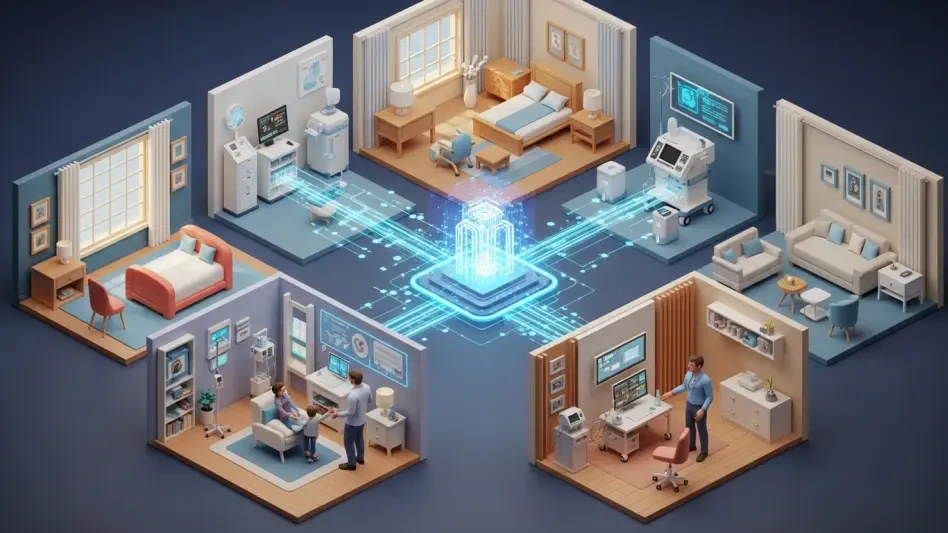
Environmental factors often dictate the success of a recovery plan more than the quality of the initial medical intervention. When a patient returns home, they often encounter a space that was designed for health rather than the limitations of illness or post-operative recovery. Loose rugs, inadequate lighting, and steep staircases become significant hazards that can lead to immediate re-hospitalization. The healthcare system frequently assumes that patients possess a baseline level of domestic stability that simply does not exist for many individuals, particularly those living in older housing stock or rural areas. Without a standardized process for assessing the home environment before discharge, clinicians are essentially sending patients into a setting that may actively work against their medical orders. This lack of environmental awareness creates a dangerous gap where the physical reality of the patient’s home life undermines the precision of the medical treatment they received in the hospital.
Furthermore, the social support network available at home is a critical yet frequently ignored component of the last mile of healthcare. Many patients are discharged to the care of spouses or adult children who are themselves aging or balancing full-time employment with caregiving duties. These individuals are often expected to perform complex tasks, such as managing wound care or administering intravenous medications, with minimal training or professional backup. This reliance on untrained family members creates a high-stress environment where mistakes are common and early signs of medical complications are easily missed. The industry has yet to fully integrate family caregivers as a formal part of the care team, leaving them to navigate the complexities of modern medicine in isolation. Addressing this human element of the recovery logistics is essential for closing the gap between the controlled hospital setting and the unpredictable nature of home-based care.
Structural Flaws in the Current System
Financial Misalignment: The Fee for Service Trap
The persistent neglect of the last mile is largely a byproduct of a financial model that prioritizes discrete medical events over the continuous coordination of a patient’s health journey. The traditional fee-for-service architecture rewards hospitals and clinics for performing surgeries, ordering diagnostic tests, and conducting office visits, yet it provides almost no incentive for the time-consuming work of post-discharge follow-up. Because the labor involved in making coordination phone calls, organizing family support systems, and verifying the arrival of medical supplies is often considered invisible or non-billable, it remains chronically underfunded and overlooked by hospital administrators. This creates a scenario where clinicians are pressured to maximize patient volume while the vital logistical tasks that ensure long-term success are relegated to the bottom of the priority list. Without a fundamental shift in how value is defined and reimbursed, the system will continue to favor high-cost interventions over the low-cost coordination that prevents readmission.
Adding to the financial misalignment is a profound accountability void that leaves patients and their families feeling abandoned the moment they leave the hospital doors. In the current fragmented landscape, medical institutions often view their responsibilities as ending at the point of discharge, while outpatient specialists focus narrowly on their specific organs or conditions of expertise. Primary care physicians, who should theoretically bridge this gap, are frequently too overburdened with administrative tasks and high patient loads to manage the granular details of a patient’s domestic life. This lack of a central authority means that no single professional entity is held truly responsible for the continuity of care once a patient returns home. Consequently, critical information is lost in transition, and families are left to assume that someone else must be handling the logistics. This systemic diffusion of responsibility ensures that patients fall through the cracks of a complex network that possesses great technical knowledge but lacks any coherent organizational glue.
Measurement Gaps: The Failure of Standard Metrics
The inability to accurately track and measure the quality of the last mile transition further exacerbates the disconnect between clinical care and home recovery. Healthcare systems are excellent at quantifying data that fits neatly into a digital health record, such as blood pressure readings, surgical success rates, and laboratory results. However, they struggle to capture the qualitative data that defines the success of home transitions, such as whether a patient understands their care instructions or if they have the means to attend follow-up appointments. Because these variables are difficult to standardize and record, they are often excluded from the performance metrics used to judge hospital quality and determine reimbursement levels. This data blind spot means that a hospital can appear to be performing at a high level based on clinical outcomes while simultaneously failing its patients in the critical days following their discharge.
This measurement gap also prevents the industry from identifying and scaling successful interventions that could improve the last mile. Without a clear set of metrics to evaluate the effectiveness of home-based support and care coordination, it is difficult for administrators to justify the investment in new programs or technologies. Research into the social determinants of health has shown that logistical support can be more effective than medical interventions for certain populations, yet this evidence is rarely reflected in the core operational metrics of major healthcare providers. To move forward, the industry must develop new ways to quantify the patient experience outside the hospital walls, treating transportation, home safety, and medication adherence with the same statistical rigor as any other clinical indicator. By bringing the last mile into the light of data-driven analysis, the system can begin to hold itself accountable for the entire patient journey rather than just the clinical segments.
A New Model for Holistic Care
Specialized Care Management: The Role of the Expert Advocate
Bridging the logistical chasm requires the implementation of a specialized care management model that treats the patient’s transition as a critical medical procedure in its own right. This approach moves beyond simple administrative scheduling and introduces a dedicated care manager who serves as a single, trusted expert for the patient and their family members. This professional is tasked with developing a deep, personalized understanding of the patient’s medical history, living conditions, and family dynamics to ensure that the clinical plan is actually feasible within their home environment. Whether it involves identifying hazards like unsafe staircases, assisting with the transition to long-term care, or coordinating between multiple specialists, the care manager acts as the essential link that translates medical instructions into a viable lifestyle. By centering the recovery process around human advocacy and constant communication, the healthcare system can finally extend its expertise from the clinical setting directly into the patient’s living room.
The necessity of this role is underscored by the increasing complexity of modern medicine, which demands that patients and families master a wide array of technical tasks and therapeutic protocols. A care manager does not just provide a list of instructions; they offer the education and emotional support necessary to empower families to take an active role in the recovery process. This advocacy is particularly vital for those dealing with chronic illnesses, where the line between clinical care and daily management is permanently blurred. By identifying environmental barriers such as food insecurity or lack of reliable transportation early in the process, these coordinators can trigger interventions that prevent acute medical crises before they occur. This proactive stance acknowledges that health is a continuous journey rather than a series of isolated events, and it positions the healthcare provider as a long-term partner in the patient’s well-being. This shift in perspective is the only way to ensure that the innovations of modern medicine reach their intended destination.
Implementation and Scalable Solutions: Future Directions
Implementing this vision does not require the invention of entirely new systems, as the regulatory and financial frameworks for comprehensive care coordination are already in place. Existing models, such as the Program of All-Inclusive Care for the Elderly, have demonstrated for years that intensive, home-based support significantly reduces emergency room visits and unnecessary hospitalizations while improving quality of life. Furthermore, contemporary insurance codes for Chronic Care Management now allow providers to be reimbursed for the non-face-to-face work that was previously neglected. The primary hurdle is no longer a lack of financial mechanisms, but rather a lack of institutional willpower and widespread awareness among healthcare leaders. To truly bridge the last mile, organizations must integrate these coordination services into their standard operating procedures, viewing them as essential components of care rather than optional extras. The shift toward value-based care models from 2026 to 2028 will likely accelerate this trend, forcing a reconciliation between hospital expertise and home reality.
The transition toward a more integrated healthcare delivery model required a fundamental reimagining of the relationship between clinical excellence and domestic stability. Leaders across the medical landscape recognized that the ultimate measure of a successful intervention was not found in the operating theater, but in the sustained health of the patient within their own community. By prioritizing the recruitment of dedicated care managers and utilizing existing reimbursement structures, forward-thinking institutions successfully closed the gap that previously swallowed so many vulnerable individuals. This evolution proved that when the healthcare industry focused on human logistics with the same intensity it applied to surgical innovation, the results were both economically sound and profoundly more humane. Moving forward, the focus shifted toward universal adoption of these practices, ensuring that the last mile was no longer a point of failure but a reinforced pathway to recovery. The industry finally accepted that a prescription for health was only as strong as the infrastructure supporting the person who needed to fill it.