
Moving quantum-enhanced imaging into the clinical mainstream involves establishing a standardized infrastructure for metabolic monitoring across seven different nations. The Institute for Bioengineering of Catalonia, situated in Barcelona, has formally aligned with the Q-AID project, an ambitious initiative backed by an 8.3 million euro investment from the Digital Europe Programme. This collaboration marks a significant pivot from theoretical quantum research to the practicalities of patient care. By deploying the state-of-the-art POLARIS system, the institute functions as a pivotal node within a sophisticated network that bridges top-tier academic and industrial entities. The goal is to move beyond the limitations of conventional magnetic resonance imaging, which often captures structural changes too late for certain aggressive malignancies. Instead, this new framework targets the very metabolic foundations of cellular behavior, allowing clinicians to observe the biological signature of disease in real time. The project sets a precedent for multi-institutional cooperation by synchronizing technological protocols across diverse geographical locations.
Standardizing Quantum Hardware: The Path to Clinical Integration
Implementation: The POLARIS Network Infrastructure
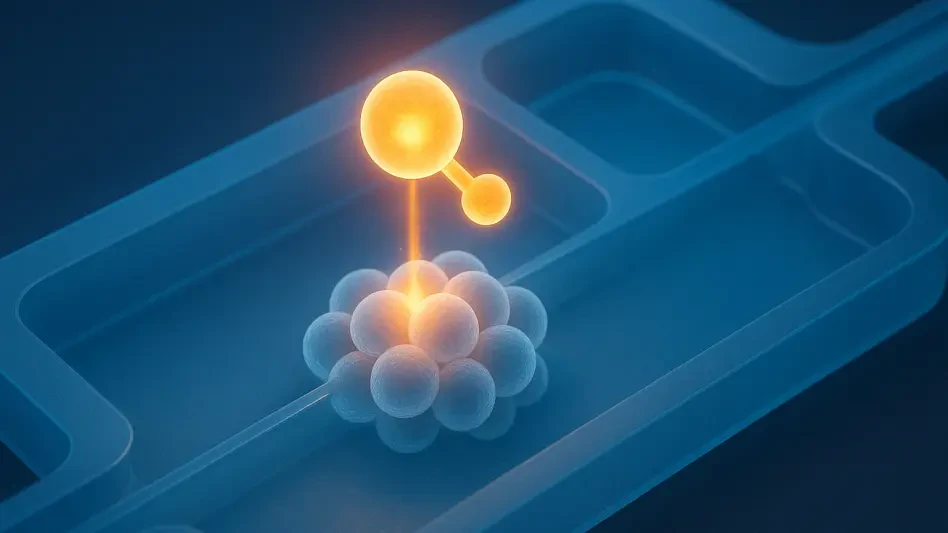
The installation of the POLARIS system at the Barcelona facility signifies a transition into a new era of molecular imaging. This quantum-enhanced technology utilizes hyperpolarization to increase the signal strength of metabolic tracers, providing a level of detail that was previously unattainable in standard clinical settings. Coordinated by NVision Quantum Technologies, the effort brings together a consortium that includes the University of Antwerp and various partners across seven countries to form a cohesive research backbone. Operating throughout the 2026 to 2029 window, this initiative focuses on the development of a reliable European supply chain for the specialized consumables required for high-fidelity imaging. By ensuring that every node in the network utilizes identical hardware and calibration standards, the project eliminates the variability that typically plagues multi-center trials. This rigorous approach ensures that data collected in one region is fully compatible and comparable with findings from another.
Methodologies: Unified Protocols and Shared Workflows
Achieving this level of synchronization requires more than just high-end hardware; it demands the creation of unified data standards and metabolic monitoring workflows. The Q-AID project addresses this by developing standardized software interfaces that interpret the complex quantum signals generated during hyperpolarized scans. These protocols allow researchers to track how specific nutrients are processed by tumor cells, offering a dynamic view of cancer physiology that static images cannot provide. The emphasis on shared methodology ensures that the results are reproducible, a critical requirement for regulatory approval and eventual widespread clinical adoption. Furthermore, the network facilitates the rapid sharing of best practices and troubleshooting techniques among participating scientists, fostering a collaborative ecosystem. This structural foundation is designed to support not only current research but also future expansions of quantum technology into broader medical fields, thereby maximizing the return on investment.
Data-Driven Diagnostics: Merging Quantum Tech With AI
Innovation: Artificial Intelligence and Synthetic Models
The integration of artificial intelligence with quantum hardware represents a major technological trend within the current medical landscape. By applying advanced algorithms to the massive datasets generated by hyperpolarized MRI, clinicians can identify subtle metabolic biomarkers that might indicate early resistance to chemotherapy. This predictive capability is being tested specifically in the context of glioblastoma and ovarian cancer, two conditions where early intervention is paramount for improving patient outcomes. Additionally, the project incorporates cancer-on-chip models to bridge the gap between laboratory cultures and living organisms. These microfluidic devices replicate the complex environment of a tumor, allowing for the precise calibration of imaging tools before they are used in human subjects. This multimodal approach ensures that every diagnostic reading is grounded in a deep understanding of disease biology, providing a comprehensive toolkit for oncologists to tailor treatments to the specific metabolic profile of an individual patient.
Strategic Outcomes: Future Implications for Precision Medicine
The establishment of this quantum imaging network provided a transformative blueprint for the future of precision medicine and clinical diagnostics. As the initial deployment phase concluded, researchers successfully integrated these sophisticated tools into routine investigative pipelines, ensuring that specialized consumables remained accessible through a fortified European supply chain. This effort demonstrated that bridging the gap between quantum physics and the bedside was not only possible but essential for the evolution of oncology. Moving forward, health systems were encouraged to adopt these standardized frameworks to accelerate the identification of metabolic abnormalities across various disease states. The successful coordination between industry leaders and academic researchers highlighted the necessity of maintaining long-term investments in digital health infrastructure. These advancements paved the way for more personalized treatment strategies, where metabolic responses dictated the course of therapy rather than generalized protocols.