
High-stakes environments like cardiothoracic and pediatric surgery require interprofessional training to ensure that every team member can respond effectively during a crisis. Surgical outcomes depend on much more than just a surgeon’s steady hand or technical knowledge. Many errors in the operating room stem from breakdowns in communication and teamwork rather than a lack of individual skill. To address these systemic issues, healthcare institutions are increasingly turning to Simulation-Enhanced Interprofessional Education (Sim-IPE). This model brings together surgeons, nurses, technicians, and other specialists to train as a cohesive unit, mirroring the high-stakes reality of modern clinical practice. A comprehensive analysis of surgical simulation programs reveals that these interventions are designed to bridge the gap between individual proficiency and collective performance. By analyzing research, experts have mapped out how simulated environments allow healthcare professionals to practice together without risking patient safety. This educational shift recognizes that the surgical team is a complex ecosystem where every member plays a vital role in ensuring a successful outcome.
Building a Collaborative Surgical Culture
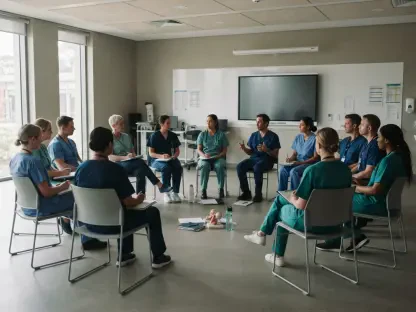
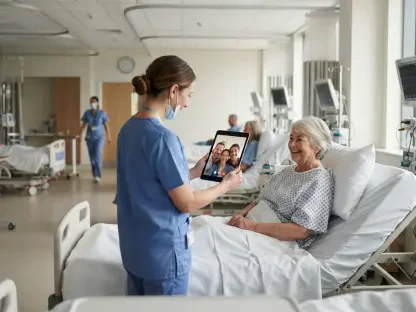
The diversity of participants in these simulation programs highlights the interprofessional nature of modern medicine. Research shows that a vast majority of successful simulations involve nurses alongside surgical trainees, but the scope often extends to include pharmacists, physiotherapists, and even paramedics. This inclusive approach breaks down professional silos, encouraging a culture where communication flows freely across different disciplines. When a team learns together, they develop a shared mental model that is essential for navigating the complexities of a real-life operating theater. This collaborative framework ensures that every participant, regardless of their specific medical rank, feels empowered to speak up when they notice a potential error. The integration of various roles into a single training exercise mimics the multidisciplinary nature of 2026 healthcare delivery. By fostering mutual respect through shared experience, these simulations reduce the likelihood of interpersonal friction that often occurs during the high-pressure moments of a live surgery.
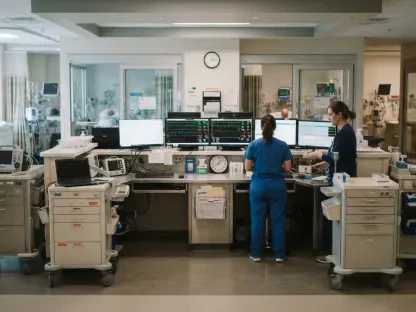
The settings for these simulations are carefully chosen to reflect the most critical points of patient care, such as the operating room and the emergency department. General surgery, cardiothoracic, and pediatric specialties frequently use these high-pressure scenarios to test how teams interact during a crisis. By recreating the actual environment where these professionals work, simulation-based training helps staff identify logistical hurdles and cultural barriers, such as rigid hierarchies, that might otherwise hinder effective decision-making during a real emergency. This environmental realism allows teams to navigate the physical constraints of their specific workspace while managing the human dynamics of a surgical procedure. Institutional support for these initiatives remains vital, as it provides access to the clinical spaces necessary for authentic practice. As teams rotate through these simulated scenarios, they begin to view the operating theater not just as a room for technical tasks, but as a space where collective intelligence and rapid communication are the primary tools for ensuring patient survival.
Advancing Training Through Realistic Technology
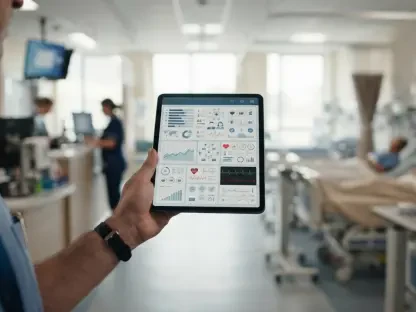
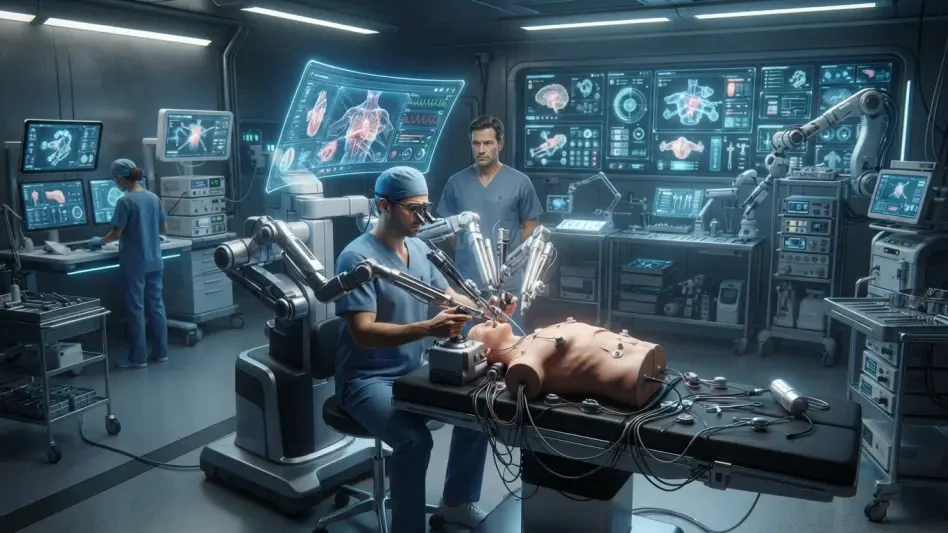
As technology evolves, the tools used for surgical training are becoming increasingly sophisticated. While high-fidelity manikins remain a staple, there is a growing trend toward multimodal simulations that combine different technologies. For example, a team might use a laparoscopic simulator to practice technical movements while simultaneously interacting with a standardized patient to manage the psychological and communicative aspects of a procedure. This blend of physical and social realism ensures that trainees are prepared for both the mechanical and interpersonal challenges of surgery. These technological advancements allow for a more nuanced training experience where the technical precision of the surgeon is tested alongside the supportive functions of the nursing staff. The use of virtual reality and haptic feedback devices further enhances this realism, providing a safe space for practitioners to fail and learn without real-world consequences. By integrating diverse tools, educators can create complex scenarios that challenge every facet of a medical professional’s expertise and adaptability.
These advanced simulations allow teams to practice soft skills that are often overlooked in traditional medical education. De-escalating conflict within the surgical team or delivering difficult news to a patient’s family are skills that can be refined in a safe, simulated environment. By integrating these human factors with technical tasks, simulation creates a holistic training experience that prepares the entire team for the nuances of patient care, ultimately leading to a more resilient and adaptable workforce. This approach emphasizes that technical skill alone is insufficient if the practitioner cannot coordinate effectively with their colleagues or maintain a calm demeanor during a crisis. Training sessions now regularly include structured debriefings where teams analyze their social interactions as closely as their clinical decisions. This focus on the human element recognizes that the psychological state of the team directly influences the safety of the patient. Consequently, simulation has become a primary method for cultivating the emotional intelligence and leadership qualities required in modern surgical suites.
Measuring Success and Overcoming Obstacles
Evaluating the effectiveness of simulation training remains a complex task for educators. While most participants report high levels of satisfaction and increased confidence, the industry is still working toward proving that these programs directly lead to fewer surgical complications. Currently, much of the research focuses on how learners feel about the experience, but there is a clear push toward measuring long-term behavioral changes in the workplace and tracking actual improvements in patient survival rates and safety metrics. The application of the Kirkpatrick Model has shown that while immediate reactions are positive, the transition to measurable clinical outcomes requires more rigorous and longitudinal data collection. Researchers are now looking at how to bridge the gap between simulation performance and real-world results by using advanced data analytics to track team performance over several years. This shift in evaluation strategy is essential for justifying the significant investment required for high-fidelity simulation programs. Ensuring that training translates to tangible safety improvements is the ultimate goal for hospitals worldwide.
Despite the clear benefits, implementing these programs is not without challenges. Finding protected time for an entire interprofessional team to step away from their clinical duties is a significant logistical hurdle in busy hospitals. Additionally, securing consistent funding and overcoming traditional medical hierarchies can slow the adoption of these models. However, when institutions provide strong support and faculty expertise, these programs can transform the organizational culture, making collaborative training a standard part of professional development. The financial sustainability of Sim-IPE often relies on demonstrating a clear return on investment, which can be difficult when the primary benefit is the prevention of errors that never occur. Institutional leaders must prioritize these sessions as essential safety protocols rather than elective educational activities. By integrating simulation into the regular hospital schedule, administrators can signal that teamwork is a core competency on par with surgical precision. Overcoming these barriers requires a shift in how medical education is valued within the broader healthcare economy.
Rethinking the Impact of Simulated Learning
One of the most surprising findings in surgical simulation research is that a participant’s confidence might actually decrease after a session. Rather than being a sign of failure, this is often viewed as a productive recalibration. By exposing the true complexity of a surgical crisis, simulation helps practitioners develop a more realistic and humble understanding of their own limits. This self-awareness is a critical component of safety, as it encourages practitioners to be more cautious and communicative when they encounter similar challenges in real life. This phenomenon highlights the difference between perceived competence and actual performance. When a clinician realizes that a situation is more difficult than they initially thought, they are more likely to seek help or follow established safety checklists. This shift from overconfidence to realistic self-assessment is perhaps the most significant cultural change driven by simulation-based training. It fosters a professional environment where humility is valued and the pursuit of collective expertise takes precedence over individual ego.
The value of simulation extended even to those who were not actively participating in the scenario. Observers who watched their colleagues navigate a simulated crisis gained significant insights into team dynamics and error management. This suggested that simulation programs were a highly efficient way to educate large groups at once. As the field continued to ground its methods in proven educational theories, the focus remained on moving beyond simple practice toward a sophisticated, evidence-based approach that prioritized patient safety through collective expertise. Future implementation strategies included specialized roles for observers to maximize the educational reach of every session. Additionally, expanding these programs into surgical wards and intensive care units addressed critical gaps in the continuum of care. Hospitals that adopted these comprehensive training models saw a transformation in how staff managed complex cases. The integration of automated performance tracking and AI-driven debriefing tools provided the objective data needed to refine team training further.