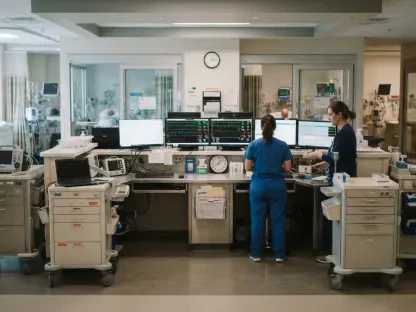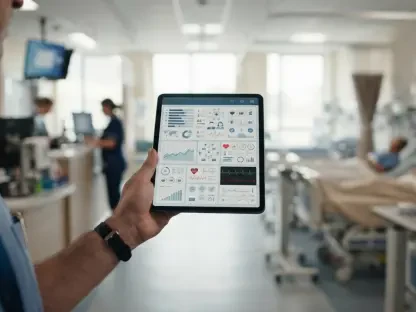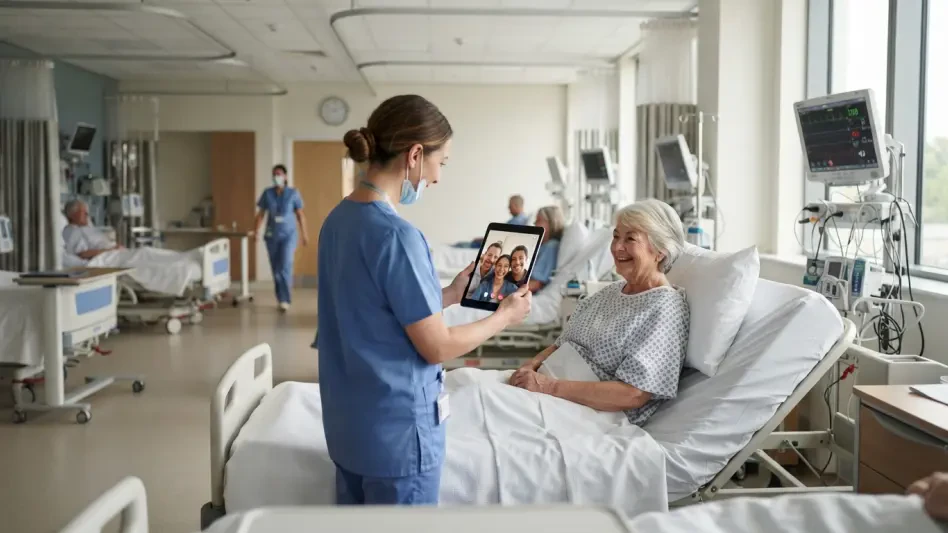

Production-grade telemedicine platforms must separate real-time media routing from protected health information persistence across five decoupled architectural tiers to ensure system scalability and data security. This transition toward a robust, tiered model represents a fundamental shift from the fragmented, standalone video tools of the past toward truly unified digital health ecosystems. In 2026, healthcare providers expect a frictionless experience where patient data flows dynamically between the virtual exam room and the permanent clinical record. Such a requirement necessitates a sophisticated interplay between real-time communication protocols and standardized health data exchange formats. By leveraging a modular architecture, engineering teams can build resilient systems that support diverse medical peripherals, such as digital stethoscopes and otoscopes, while maintaining strict compliance with evolving privacy regulations. The objective is to eliminate the inefficient “swivel-chair” workflow, allowing clinicians to focus entirely on patient care rather than navigating disparate software interfaces or manually reconciling duplicated data entries.
1. The Five-Tier Reference Architecture: Designing for Scale
The foundation of any modern telemedicine platform begins at the Client Presentation and Peripheral Capture Layer, which manages the complex interaction between the user and their hardware. This layer utilizes browser-based WebRTC clients and native mobile SDKs to capture high-definition camera and microphone streams while simultaneously managing data from Bluetooth or USB diagnostic peripherals. Beyond simple audio and video, this tier handles the synchronization of real-time telemetry from devices like blood pressure cuffs or pulse oximeters, ensuring that clinicians receive a comprehensive view of the patient’s status. Supporting this is the Real-Time Media and Signaling Layer, which relies on WebRTC protocols including STUN, TURN, and Selective Forwarding Units to negotiate secure connections. These components are responsible for routing encrypted media packets across various network conditions, ensuring that high-latency or restricted hospital firewalls do not compromise the quality of the clinical encounter during critical medical consultations.
The remaining layers focus on the secure management of identity and the structured persistence of clinical information within the broader healthcare ecosystem. The Identity, Access, and SMART on FHIR Launch Layer serves as the gatekeeper, using OAuth 2.0 and OpenID Connect to authenticate users against enterprise identity providers or Electronic Health Record portals. This ensures that every session is tied to a verified clinician and a specific patient context, preventing unauthorized access to sensitive records. Below this sits the Clinical Workflow and FHIR Data Layer, a central repository that manages medical resources such as appointments, digital intake forms, and e-prescribing modules through a standardized FHIR server. Finally, the Legacy Connectivity and Interoperability Layer acts as a synchronization engine, linking the platform to major systems like Epic or Oracle Health via modern RESTful APIs or traditional HL7 v2 messaging. This tiered approach allows for independent scaling and maintenance of each component, which is essential for maintaining high availability.
2. Comparison of Integration Models: From Standalone to Embedded
When evaluating how to connect a telehealth platform with an existing clinical environment, the Independent or Standalone model represents the simplest but least efficient approach. In this setup, the telehealth application operates as a completely separate silo, requiring clinicians to maintain unique login credentials and manually search for patients within each system. Coordination is handled externally, with appointment links often sent manually via SMS or email, creating a significant administrative burden and increasing the risk of data entry errors. While this model is relatively easy to deploy because it requires minimal technical coordination with the EHR vendor, it ultimately fails to deliver the seamless experience necessary for high-volume clinical operations. For organizations prioritizing efficiency, this “swivel-chair” method is quickly becoming obsolete as they move toward more integrated solutions that automate the flow of information between the video session and the patient’s legal medical record.
A more sophisticated alternative involves the HL7 v2 Message Bridge, which automates the provisioning of virtual rooms by listening to scheduling messages emitted by the EHR. When a new appointment is created, the integration engine triggers the telehealth backend to generate a unique session identifier and update the EHR schedule with the corresponding link. Once the visit concludes, the bridge pushes clinical summaries or PDF notes back to the record using MDM or ORU messages. However, the current gold standard is the Native SMART on FHIR Embedded Launch, which provides a one-click experience directly inside the EHR interface. By using the SMART framework, the telehealth widget launches within the clinician’s existing workflow, automatically receiving the patient and encounter context through secure tokens. This model allows for real-time bidirectional data synchronization, enabling the telehealth platform to read and write discrete data points like vital signs or diagnostic observations directly into the EHR without any manual intervention.
3. The Five-Step Technical Implementation Sequence: A Logical Roadmap
The first phase of a successful technical implementation focuses on coordinating schedule availability and establishing the digital foundation for the encounter. Engineering teams must ensure that the booking process in the EHR or patient portal accurately reflects the availability of virtual slots by using FHIR Appointment resources or HL7 SIU^S12 messages. This step involves more than just selecting a time; it requires the generation of unique, secure session identifiers and the triggering of automated notifications to the patient. Following the scheduling synchronization, the system must execute the Digital Patient Intake process. This phase collects necessary patient authorizations and medical history through structured FHIR Consent and QuestionnaireResponse formats. By capturing this data before the clinician joins the call, the platform ensures that all administrative requirements are satisfied and the provider has immediate access to the patient’s reported symptoms and history, thereby maximizing the clinical utility of the actual visit time.
Once the intake is complete, the focus shifts to the clinical encounter itself, starting with the Initiation of a Context-Aware EHR Session. Utilizing the SMART on FHIR framework, the telehealth application launches within the patient’s chart, ensuring that the clinician never has to leave their primary workspace to begin the video consultation. This is followed by the Facilitation of Secured Media Streaming, where the actual clinical consultation occurs over an encrypted WebRTC session. To maintain strict security, these sessions utilize DTLS-SRTP for media encryption and TURN relays over TLS to ensure traffic can bypass restrictive corporate firewalls safely without exposing internal networks. The final step is the Encounter Data Write-Back, where the platform finalizes the session by updating the encounter status to finished. During this stage, the system transmits clinical notes, signed documents, and discrete vital signs back to the primary EHR system using FHIR DocumentReference and Observation resources, completing the clinical loop.
4. Strategic Development and Compliance Standards: Ensuring Trust
Development teams often face a choice between building on Open-Source Foundations or purchasing proprietary white-label stacks to accelerate their time to market. Many leading organizations have opted for a hybrid approach, utilizing robust open-source components like Medplum or HAPI FHIR for managing complex clinical data structures. These tools provide a standardized way to handle the FHIR R4 requirements that are now mandatory for interoperability in modern healthcare settings. On the media side, servers such as LiveKit or Jitsi Videobridge offer powerful, customizable options for handling multi-party video and audio streaming without the recurring costs of commercial per-minute APIs. By combining these modular building blocks, developers can maintain greater control over their infrastructure while ensuring that they are not locked into a single vendor’s ecosystem. This flexibility is crucial as clinical requirements evolve and new diagnostic technologies emerge that need to be integrated into the virtual care workflow.
Beyond the technical architecture, strict adherence to Compliance and Security standards is non-negotiable for any platform handling protected health information. In the United States, systems must comply with the comprehensive requirements of the HIPAA Security Rule, which includes mandatory end-to-end encryption for all data in transit and at rest. This involves implementing AES-256 encryption for stored files and TLS 1.2 or higher for all API communications. Furthermore, the platform must maintain immutable audit trails that log every access and modification of patient data to meet regulatory oversight requirements. Establishing formal Business Associate Agreements with all technology sub-processors, including cloud hosting providers and media relay services, is a critical legal step to ensure accountability. By prioritizing these security protocols from the earliest stages of development, organizations can build trust with both clinicians and patients, ensuring that the transition to virtual care does not come at the expense of data privacy.
5. Advancing Clinical Outcomes Through Integration: Future Considerations
The organizations that successfully navigated this integration journey focused on modularity and adherence to established industry standards like HL7 FHIR and SMART on FHIR. They recognized that the value of a telemedicine platform was not merely in the video connection but in the richness of the clinical data captured and transmitted during the encounter. By implementing automated encounter write-backs and discrete vital sign synchronization, these systems significantly reduced the administrative burden on nursing and medical staff. The seamless flow of data allowed for a more holistic view of the patient, bridging the gap between remote monitoring and traditional office visits. This structural alignment ensured that the virtual encounter became a first-class citizen within the medical record, rather than a peripheral note that was difficult to find or interpret. As clinical teams adapted to these tools, the focus moved toward optimizing the user interface to further reduce cognitive load and enhance the provider-patient relationship.
Moving forward, the priority shifted toward ambient documentation and predictive analytics, which utilized the structured data generated during these integrated sessions. Technical leaders prioritized robust security audits and established firm Business Associate Agreements with all technology sub-processors to mitigate long-term liability. These proactive measures ensured that the infrastructure remained resilient against emerging cyber threats while staying compliant with evolving healthcare mandates. The integration of advanced diagnostics and remote telemetry also expanded the scope of virtual care, allowing for more complex chronic disease management and acute care consultations. Ultimately, the successful deployment of these architectures transformed virtual care from an emergency alternative into a sophisticated, permanent component of the modern medical infrastructure that delivered high-quality care at scale. Organizations that invested in these integrated frameworks found themselves better positioned to meet the demands of a modern, digitally native patient population.