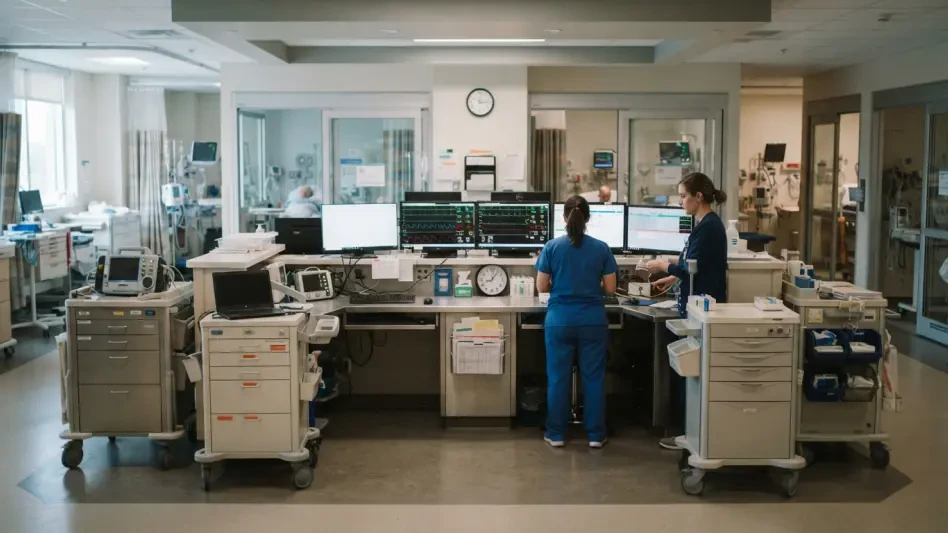

A recent investigation into Chinese tertiary hospitals reveals that over twenty-five percent of intensive care unit nurses perceive their managers as exhibiting moderate to severe levels of toxic leadership. The intensive care unit functions as one of the most intellectually and emotionally demanding environments within the modern healthcare infrastructure. In these high-velocity settings, nurses are tasked with managing complex medical technology and making split-second clinical decisions, all while providing support to patients at their most vulnerable moments. The stability of this workforce is not merely an administrative goal but a fundamental requirement for patient safety and institutional success. When leadership becomes a source of stress rather than a supportive resource, the psychological resilience of these frontline professionals is pushed to its breaking point. This research highlights the urgent need to address administrative misconduct as a primary driver of turnover, illustrating how the behavior of those in power can either secure or dismantle the professional bonds that keep skilled nurses in the field. As hospitals navigate the complexities of healthcare delivery in 2026, the focus must shift toward creating environments where leadership acts as a catalyst for retention rather than a reason for departure.
The Foundation: Understanding Occupational Embeddedness
The primary metric used to evaluate the long-term commitment of healthcare professionals is occupational embeddedness, a concept that encompasses the various factors keeping an individual tied to their specific profession. Unlike general job satisfaction, which might fluctuate based on daily tasks or temporary moods, embeddedness represents the total web of psychological, social, and structural forces that bind a nurse to the nursing field as a whole. This is a critical distinction because it measures a nurse’s attachment to their career path rather than just their current employer. The study utilizes the Job Demands-Resources model to understand how different workplace factors influence this attachment. Within this framework, workplace variables are classified as either demands that deplete energy or resources that foster engagement and resilience. In the context of the intensive care unit, the actions and attitudes of management are identified as a core component of this dynamic, acting as the primary gatekeeper for the resources that nurses need to thrive in such a high-pressure clinical environment.
Occupational embeddedness is further analyzed through three distinct lenses: fit, links, and sacrifice. Fit refers to the perceived alignment between a nurse’s personal values, technical skills, and the specific requirements of their professional role. Links represent the formal and informal connections a nurse builds with their colleagues, professional organizations, and the broader healthcare community, creating a sense of belonging and mutual support. Sacrifice, the third dimension, quantifies the perceived personal and financial losses a nurse would experience if they were to leave the profession entirely, including the loss of specialized knowledge, seniority, and established social networks. When these three dimensions are strong, a nurse is considered deeply embedded, making them much less likely to seek opportunities elsewhere. However, the introduction of toxic leadership serves as a corrosive force that attacks these pillars of stability. By undermining a nurse’s sense of fit and damaging professional links, destructive management reduces the perceived sacrifice of leaving, effectively paving the way for talent to exit the nursing profession altogether.
Destructive Management: Identifying the Four Pillars of Toxicity
Toxic leadership in the nursing environment is defined as a systematic and repeated pattern of destructive behavior exhibited by supervisors toward their subordinates. While many management studies focus on positive models like transformational or servant leadership, this investigation specifically isolates the damage caused by negative administrative conduct. The research identifies four primary categories of toxic behavior: intemperance, narcissism, self-promotion, and humiliation. Intemperate behavior involves a lack of emotional regulation, characterized by frequent outbursts, volatility, and an unpredictable temperament that leaves staff in a constant state of anxiety. Narcissistic managers prioritize their own ego and career progression over the well-being of their team, often showing a complete disregard for the personal needs or professional growth of their staff. These behaviors create a toxic atmosphere where psychological safety is non-existent, and the primary goal of the nursing staff shifts from providing excellent patient care to navigating the moods and demands of an unstable supervisor.
The remaining categories of toxic leadership, self-promotion and humiliation, are equally damaging to the integrity of the clinical environment. Self-promoting leaders are known for taking credit for the hard work of their nursing teams while simultaneously shifting the blame for any failures onto their subordinates. This lack of accountability creates a deep sense of injustice and resentment among nurses who are already working under significant pressure. Humiliating behavior is perhaps the most direct form of toxicity, involving public shaming, intimidation, or the use of favoritism to control and isolate staff members. These actions systematically dismantle the professional dignity of nurses, making it impossible for them to feel a sense of pride or “fit” within their roles. When a supervisor uses humiliation as a management tool, it breaks the social links that are vital for a collaborative ICU environment, leading to a fragmented team and a significant decline in the overall quality of the workplace culture.
Emotional Survival: The Role of Professional Acting
In the intensive care unit, the requirement to manage one’s internal emotions to meet professional expectations is known as emotional labor. This labor is essential in a setting where nurses must remain calm and compassionate regardless of their own internal stress or the behavior of their colleagues. The study categorizes this labor into three specific strategies: surface acting, deep acting, and the expression of genuine emotions. Surface acting involves a nurse “faking” an emotional response, such as smiling at a patient or a manager while feeling internal anger or despair. While this may be necessary for short-term professional interactions, relying heavily on surface acting is a significant predictor of emotional exhaustion and burnout. When nurses are forced to constantly mask their true feelings due to a toxic or unsupportive management style, the psychological cost becomes unsustainable, leading to a decline in their commitment to the profession and an increased desire to find a less taxing environment.
Conversely, deep acting is a more sophisticated emotional strategy where the nurse makes a conscious cognitive effort to align their internal feelings with the required professional display. This might involve reframing a difficult situation or consciously seeking empathy for a patient or a colleague. Interestingly, the research found that deep acting is positively associated with occupational embeddedness. Nurses who are able to successfully internalize their professional role and regulate their emotions in a meaningful way often feel a stronger connection to their work and a higher sense of professional accomplishment. However, the presence of toxic leadership often prevents nurses from engaging in this constructive form of emotional labor. Instead, destructive supervisors tend to force staff into defensive surface acting as a means of survival. This shift from meaningful emotional engagement to performative masking is a key mechanism through which toxic management erodes the long-term stability of the ICU nursing workforce.
Workforce Demographics: Mobility and Clinical Intensity
The demographic profile of the modern ICU nursing workforce contributes significantly to how leadership quality impacts retention. The study highlighted a cohort that was predominantly female, highly educated, and relatively young, with a large majority being under thirty years of age. This younger generation of nurses often holds different expectations for workplace culture and managerial conduct than previous generations. Many are employed on contract-based arrangements and have not yet accumulated decades of tenure, making them more mobile and potentially more willing to leave a toxic environment in search of better working conditions. For these professionals, the perceived “sacrifice” of changing careers or moving to a different healthcare system is often lower, especially if they feel that their current environment does not value their contributions or support their mental well-being. This demographic shift underscores the importance of leadership as a retention tool, as younger nurses are less likely to tolerate administrative misconduct.
Beyond age and education, the physical and mental intensity of ICU work plays a critical role in how management affects professional longevity. The vast majority of nurses in the study were responsible for frequent rotational night shifts, a practice known to disrupt sleep patterns and contribute to chronic fatigue. When this high level of clinical demand is paired with a well-staffed and supportive environment, nurses are often able to maintain their commitment to the field. However, when the workload is combined with toxic management, the resulting pressure becomes a “push” factor that actively drives nurses away. The research found that the quality of the working environment was one of the most influential factors in determining a nurse’s level of embeddedness. In environments where staffing levels were perceived as adequate and the physical setting was well-maintained, nurses reported higher levels of attachment. This suggests that while clinical intensity is a given in the ICU, the administrative and physical surroundings can either mitigate or exacerbate the stress of the job.
Statistical Trends: Quantifying the Impact of Management
Statistical analysis of the data provided a clear and undeniable link between the quality of leadership and the stability of the ICU workforce. Every dimension of toxic leadership—intemperance, narcissism, self-promotion, and humiliation—showed a strong and statistically significant negative correlation with occupational embeddedness. In fact, toxic leadership emerged as the single most powerful negative predictor of whether a nurse felt a sense of fit, connection, and sacrifice regarding their profession. This means that as the behavior of a manager becomes more destructive, the nurse’s psychological ties to their career decline in a measurable and predictable way. The data confirms that bad management is not just a personal grievance for employees but a quantifiable threat to the operational stability of the hospital. When a leader fails to provide a supportive environment, they effectively dismantle the very structures that keep skilled professionals in the clinical workforce.
The relationship between financial rewards and professional attachment also revealed unexpected complexities in the study. While one might assume that higher pay would lead to higher retention, the data suggested that for many ICU nurses, the quality of their daily interactions and the nature of their work environment were more important than marginal increases in salary. Nurses in certain middle-income brackets actually reported lower levels of embeddedness than those in lower-income categories, suggesting that as pay increases, so do expectations for professional respect and workplace quality. If these expectations are not met due to toxic leadership, the financial reward is not enough to maintain their commitment to the role. This finding challenges the traditional administrative focus on monetary incentives as the primary tool for retention. Instead, it suggests that fostering a culture of respect and providing adequate staffing are far more effective strategies for ensuring the long-term stability of the intensive care unit.
Organizational Evolution: Creating Sustainable Healthcare Environments
The findings of this investigation provided a stark warning for healthcare administrators who oversaw high-acuity environments like the intensive care unit. To protect the integrity of the clinical workforce, organizations moved toward implementing more rigorous screening processes for leadership positions, specifically looking for traits that indicated high emotional intelligence and a collaborative spirit. Hospitals began to recognize that technical proficiency in nursing did not automatically translate into effective management skills, leading to the development of dedicated leadership training programs. These initiatives focused on reducing the prevalence of intemperate and humiliating behaviors by teaching managers how to provide constructive feedback and manage their own emotional responses under pressure. By prioritizing the quality of the administrative culture, healthcare systems aimed to transform the role of the manager from a source of stress into a vital resource for staff retention.
Future research followed these developments through longitudinal studies that tracked the long-term impact of improved leadership training on nurse turnover rates. These subsequent investigations explored how different cultural and institutional contexts influenced the relationship between management and embeddedness, allowing for more tailored interventions in diverse clinical settings. Hospitals also experimented with new models of emotional support, providing nurses with resources to help them move from exhausting surface acting to more sustainable deep acting strategies. By addressing both the external administrative environment and the internal emotional needs of the staff, organizations sought to create a more resilient and dedicated nursing workforce. These efforts ultimately demonstrated that a commitment to healthy leadership was not just an ethical choice but a strategic necessity for maintaining the high-quality care that critically ill patients required for their survival.