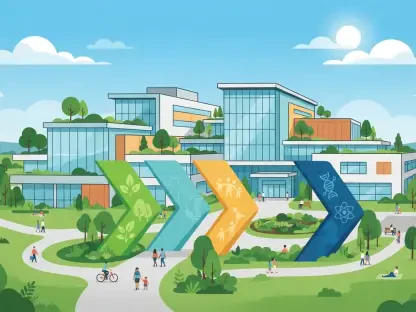

Advanced genomic sequencing technology is now being deployed to identify microbial threats and track emerging pathogens that specifically impact the health of Northern residents. This development signifies a transformative era for Canadore College, as it leverages a significant federal investment from the Canada Foundation for Innovation to bolster the regional scientific landscape. The initiative, titled Enhancing Genomics and Biotechnology Capabilities for the North, represents a deliberate effort to localize high-tech research that was previously centralized in southern urban centers. By establishing this infrastructure, the region effectively bridges the gap between academic exploration and community-based solutions, ensuring that innovation remains relevant to the unique geographic and social realities of the North. This self-sustaining ecosystem allows for local challenges in healthcare and industry to be met with immediate, local expertise, rather than relying on external assistance or delayed results from distant facilities.
Integrating Advanced Laboratory Systems: The Foundation of Local Innovation
The core of this technical transformation lies in the acquisition of the Illumina MiSeq i100 Series Sequencer, a tool that offers unprecedented speed and accuracy in genetic mapping. This equipment allows researchers to perform an end-to-end workflow, encompassing everything from initial sample preparation to the final identification of plant variations or microbial signatures. To ensure the highest standards of accuracy, the college also integrated Agilent TapeStation systems, which provide essential automated electrophoresis for sample quality control. Furthermore, the addition of benchtop bioreactors enables the scaling of biological production, allowing laboratory-scale discoveries to be transitioned into tangible industrial applications. This comprehensive suite of hardware eliminates the need to ship sensitive biological samples across the province, significantly reducing turnaround times for critical data and maintaining the integrity of time-sensitive research projects.
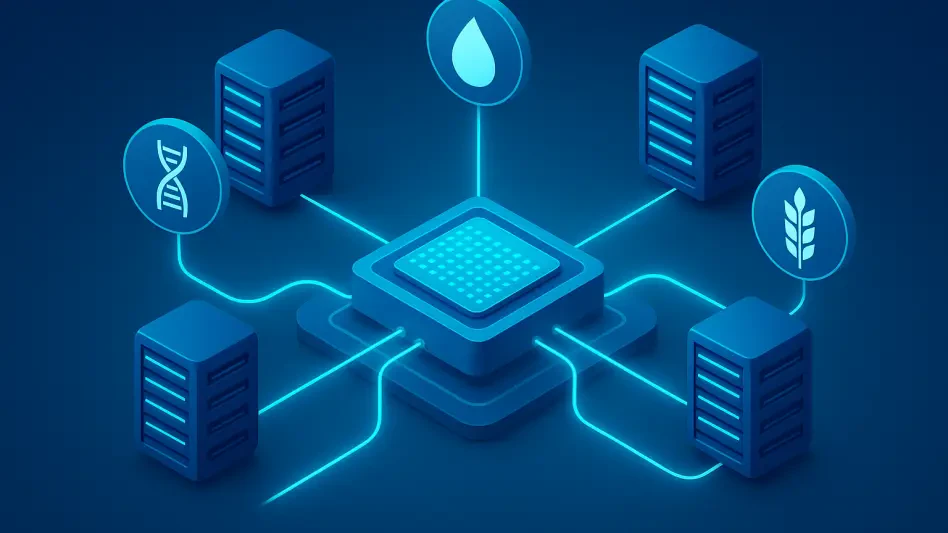
Beyond the physical laboratory equipment, the expansion includes a robust investment in high-performance computing and secure data management systems. Genomics research inevitably generates vast quantities of complex information that require sophisticated computational power to process and interpret. By building out this localized digital infrastructure, the college ensures that the entire lifecycle of a project—from raw biological sequencing to final data visualization—is managed within a single, secure environment. This capability is crucial for providing actionable scientific insights to municipal partners and private industry stakeholders who rely on precise data for decision-making. The integration of advanced bioinformatics software also allows researchers to perform comparative genomic studies, identifying trends in environmental health or viral evolution with a level of detail that was previously inaccessible to smaller regional institutions, thus leveling the playing field for Northern innovation.
Strategic Research Applications: Addressing Northern Challenges Directly
Research efforts under this new platform are strategically divided into three priority pillars: health sciences, agriculture, and water management. In the healthcare sector, the ability to monitor infectious diseases through genomic surveillance provides a vital safety net for remote communities where traditional diagnostic infrastructure might be limited. On the agricultural front, scientists are focusing on crop genomics and soil health to enhance food security, a critical concern given the changing climate and shorter growing seasons in Northern Ontario. Meanwhile, water management initiatives utilize metagenomic techniques to analyze microbial communities within wastewater systems and natural watersheds. This approach allows municipalities to identify potential contamination or shifts in aquatic biodiversity before they become public health crises. By focusing on these specific sectors, the initiative ensures that technological growth translates directly into improved quality of life for all residents.
A cornerstone of this scientific expansion is the commitment to ethical collaboration and data governance, particularly concerning Indigenous communities. The project adheres to established frameworks such as the OCAP® principles—Ownership, Control, Access, and Possession—and the CARE Principles for Indigenous Data Governance. These standards ensure that all research involving Indigenous people, traditional lands, or biological resources respects tribal sovereignty and cultural integrity. By fostering an inclusive approach to scientific inquiry, the college sets a new benchmark for how academic institutions can work alongside community partners to achieve shared goals without compromising data ownership. This ethical framework is essential for building the trust necessary for long-term collaborative success, ensuring that the benefits of genomic research are shared equitably and that community-owned data is protected from unauthorized use or misinterpretation by external parties.
Professional Development: Empowering the Next Generation of Scientists
The expansion also serves as a powerful engine for workforce development, directly influencing the career trajectories of students in biotechnology and medical laboratory programs. By providing direct access to the same high-throughput sequencing and bioinformatics tools found in world-class research facilities, the college is effectively narrowing the skills gap in the regional labor market. Students no longer have to relocate to southern cities to gain experience with industry-standard technology; they are now trained on-site to fill high-demand roles in public health, environmental monitoring, and clinical diagnostics. Paid research positions and experiential learning opportunities allow these students to work on real-world challenges alongside faculty experts, creating a pipeline of talent that is ready to lead the burgeoning tech sector in the North. This hands-on training ensures that graduates possess the technical proficiency and critical thinking skills required by modern industry employers.
The successful implementation of this genomics platform established a new standard for regional innovation by providing small businesses and municipalities with specialized resources that were once out of reach. This initiative transformed the college into a sustainable driver of economic progress, where the integration of advanced technology and community-centered research became the norm. Partners across the private and public sectors utilized these facilities to develop more resilient crops and more efficient diagnostic protocols, proving that localized scientific infrastructure was the key to regional stability. Future considerations moved toward expanding these capabilities into personalized medicine and broader environmental surveillance programs starting in late 2026. This foundation ensured the region remained a leader in biotechnology, offering a blueprint for how rural areas could leverage support to build a high-tech, data-driven future through consistent investment.