
Achieving better survival rates depends on transforming fragmented healthcare services into a systematic and integrated approach to multidisciplinary patient care. The World Health Organization (WHO) recently finalized a comprehensive training manual intended to fundamentally reshape how global health systems address breast cancer detection and treatment. This document, released during Breast Cancer Awareness Month, marks a significant expansion of the Global Breast Cancer Initiative (GBCI) that began in 2021. It provides a foundational blueprint for healthcare program managers and national health authorities, offering a structured methodology to build sustainable programs capable of identifying malignancies before they reach life-threatening stages. By bridging the gap between theoretical health recommendations and practical execution, this manual empowers local administrators to organize their resources effectively, ensuring that every woman has a clear path from symptom recognition to definitive care.
Strategic Milestones for Global Survival
A primary objective of the WHO’s initiative is to ensure that at least 60 percent of new breast cancer cases are diagnosed at an early stage, when curative treatment is most effective. This target is rooted in clinical data showing that early-stage cancer is significantly more responsive to medical intervention, leading to higher long-term survival rates. Beyond clinical outcomes, early intervention is generally better tolerated by patients, requiring less aggressive therapies that have fewer debilitating side effects. From a macro-economic perspective, identifying cancer early places a much lower financial burden on national healthcare systems and prevents families from falling into poverty due to high medical costs. The manual provides the specific diagnostic protocols necessary to achieve this shift, emphasizing that late-stage diagnosis should no longer be the standard in underserved regions where resources are often mismanaged or insufficient for complex cases.
The overarching goal of this strategic framework is to reduce global breast cancer mortality by 2.5 percent every single year, starting from 2026. If health systems can successfully maintain this downward trend, the WHO estimates that approximately 2.5 million lives could be saved over the next two decades. This target is particularly vital for nations that currently face a severe shortage of diagnostic infrastructure and specialized medical personnel. In many of these regions, breast cancer remains a leading cause of premature death because patients often present with advanced disease. By standardizing training and operational procedures, the manual seeks to move away from sporadic, crisis-driven responses toward a predictable and systematic oncology model. This long-term ambition requires sustained political will and a commitment to investing in healthcare workforces that can provide reliable, long-term screening and treatment services to their local populations.
Adaptability Across Diverse Healthcare Systems
Recognizing that healthcare infrastructure varies significantly between nations, the WHO has designed this manual with inherent flexibility to suit diverse socioeconomic environments. A rigid, “one-size-fits-all” model is often ineffective because urban centers might possess advanced imaging technology while rural areas struggle with basic diagnostic delays and a total lack of specialized referral pathways. The manual provides a framework for program managers to assess their specific local gaps, allowing them to organize referral systems that connect primary healthcare clinics with diagnostic centers and specialized hospitals. This ensures that the limited resources available in any given region are utilized in the most efficient manner possible. By focusing on the structural links between different levels of care, the initiative helps eliminate the administrative silos that often prevent patients from receiving timely consultations after an initial screening or symptom report.
This localized approach is already being integrated into national health programs in countries such as Ethiopia, Eswatini, and the Philippines, where the guidance is tailored to unique workforce capabilities. These nations are working with the GBCI to ensure that the WHO’s training materials align with their specific public health priorities and existing medical education systems. By adapting the manual’s strategies to fit the local context, these governments are building sustainable oncology programs that can withstand regional logistical challenges. This strategy shifts the focus from temporary aid toward a systematic, integrated approach to oncology that remains effective long after the initial training phase is complete. This proactive adaptation demonstrates how international standards can be translated into functional, local policies that prioritize the patient’s immediate medical needs while building the foundational capacity of the national healthcare workforce.
Optimizing the Patient Journey and Multidisciplinary Care
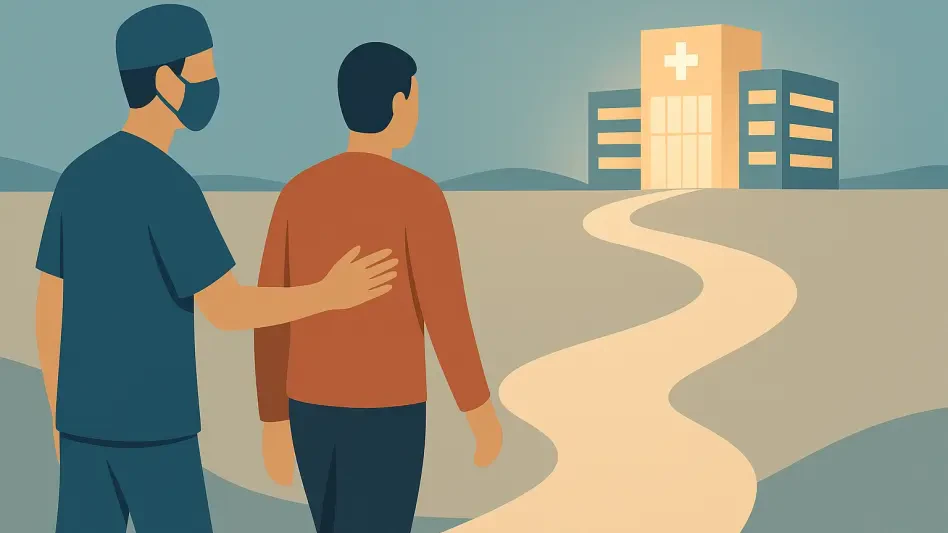
The manual highlights patient navigation as a critical factor in successful clinical outcomes, acknowledging that individuals often abandon treatment due to high travel costs or bureaucratic confusion. By using trained personnel to guide individuals through the complex healthcare landscape, systems can ensure that patients attend crucial follow-up appointments and complete their entire diagnostic workups. This personalized support is essential for moving a patient swiftly from the identification of a suspicious symptom to the implementation of a confirmed treatment plan. Navigation services bridge the social and financial gaps that medical technology alone cannot solve, providing emotional support and practical solutions to common barriers like transportation or childcare. Implementing these navigator roles transforms the patient experience from a confusing series of hurdles into a supported journey toward recovery, which is particularly vital for vulnerable populations who may lack the health literacy to navigate systems alone.
Furthermore, the WHO advocates for a multidisciplinary approach to clinical management, where surgeons, medical oncologists, radiologists, and specialized nurses work in unison to manage each case. This collaborative environment ensures that treatment plans are tailored to the specific clinical needs of the patient rather than being limited by the specific services available at a single facility or the opinion of a single physician. Such coordination minimizes fragmented care and improves the overall quality of the medical response by integrating diverse expertise into a cohesive strategy. The manual provides detailed templates for establishing these multidisciplinary tumor boards, even in resource-limited settings where remote consultations and telemedicine can be utilized to access expert opinions. This shift toward teamwork in oncology reduces the likelihood of diagnostic errors and ensures that patients receive the most appropriate combination of therapies, regardless of where they first enter the system.
Logistical Sustainability and Performance Monitoring
Beyond clinical care, the initiative addresses the complex logistical requirements of a successful cancer program, including the procurement of essential medicines and the regular maintenance of diagnostic equipment. A common failure in many health systems involves the acquisition of advanced technology without a sustainable plan for its long-term operation or the necessary technical support. The GBCI manual emphasizes the integration of health products into broader service planning to ensure that diagnostic tools like mammography machines remain functional and accessible to the public. This includes establishing reliable supply chains for biopsy needles, pathology reagents, and chemotherapy drugs, which are often prone to shortages in developing healthcare markets. By prioritizing the entire lifecycle of medical equipment and pharmaceuticals, the manual ensures that the infrastructure for cancer care is resilient and capable of providing consistent services to the community over many years.
To maintain high standards of accountability, the WHO encourages governments to track key performance indicators, such as the time elapsed between initial suspicion and the start of treatment. By monitoring these specific metrics, administrators can identify exact bottlenecks in the referral or diagnostic phases and direct financial resources to the areas where they are most needed to prevent delays. This data-driven approach allows for the continuous improvement of health services, as real-time feedback helps managers adjust their strategies to meet the 60 percent early detection target. The manual provides the necessary tools for establishing robust cancer registries and information systems that can capture accurate patient data while protecting privacy. These monitoring systems are not just about oversight; they serve as an essential diagnostic tool for the health system itself, revealing where the machinery of care is failing and providing the evidence needed to secure further investment.
Public Awareness and Symptom Recognition
While the manual is primarily an administrative tool, it remains grounded in the necessity of public health education and individual symptom recognition. The document reiterates that the process of early detection often begins with an individual’s ability to recognize warning signs, such as new lumps, changes in skin texture, or unusual nipple discharge. Promoting awareness ensures that the population knows when to seek professional help, which represents the critical first step in the early detection chain. Educational campaigns must be culturally sensitive and linguistically appropriate to reach diverse communities effectively, ensuring that misinformation does not prevent women from seeking medical advice. The manual provides guidance on how to structure these public health messages so they empower rather than frighten the population. By fostering a culture of health consciousness, the initiative encourages early presentation, which is the most significant factor in reducing the severity of a diagnosis.
However, the WHO maintains an objective stance, noting that while symptom awareness is crucial, these physical signs do not always indicate the presence of cancer and require clinical confirmation. The consensus remains that individuals should consult qualified healthcare professionals for definitive screenings and diagnostic tests rather than relying on unverified online resources or self-care trends. By combining public education with a robust medical infrastructure, the WHO aims to create a unified framework where every diagnosis is met with a swift and effective response. The training manual emphasizes that medical professionals must be prepared to receive these patients and provide compassionate, evidence-based counseling to manage the anxiety associated with potential cancer symptoms. This approach ensures that public awareness leads directly to professional intervention, closing the loop between a patient’s initial concern and the start of a medically supervised diagnostic pathway.
Strategic Actions for Future Healthcare Implementation
The World Health Organization’s introduction of this training manual provided a clear path forward for nations seeking to modernize their approach to breast cancer. By synthesizing complex clinical recommendations into a manageable framework, the initiative established a new standard for how healthcare administrators should organize oncology services. Governments were encouraged to adopt these guidelines by integrating them into national health insurance plans and workforce development programs to ensure long-term viability. The framework suggested that reducing mortality was not merely a matter of scientific breakthroughs, but one of organizational excellence and systemic coordination. Moving forward, health authorities should prioritize the establishment of national steering committees to oversee the implementation of these protocols and ensure that funding is allocated to the most critical bottlenecks. This strategic shift laid the groundwork for a future where a breast cancer diagnosis is no longer a death sentence but a manageable health challenge.