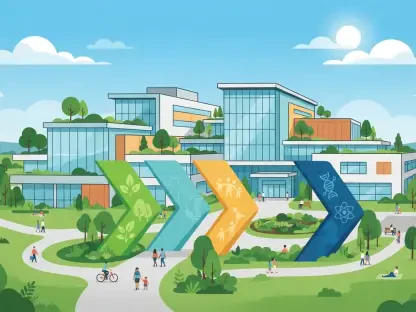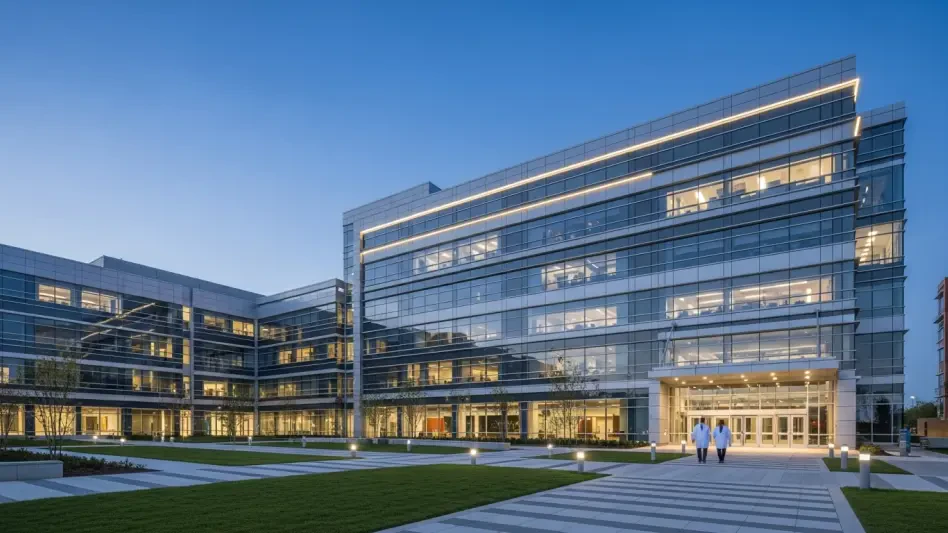

The strategic emergence of a world-class medical institution in Tyler marks a definitive departure from traditional healthcare models that have historically left rural populations struggling for basic specialist access. As academic medicine evolves, the role of regional hubs has transitioned from simple instructional sites to sophisticated anchors of economic and social stability. By embedding a high-tier medical school within a regional university system, the University of Texas at Tyler has effectively bridged the gap between academic theory and practical community health. This evolution reflects a broader trend where university systems stabilize local healthcare markets while creating an environment conducive to long-term clinical and research excellence.
The integration of clinical services with medical instruction is no longer a luxury but a necessity for enhancing community health outcomes. When a medical school operates in tandem with a hospital system, it creates a feedback loop where research immediately informs patient care. This synergy is particularly vital in East Texas, where the presence of a flagship institution attracts specialized faculty who might otherwise prefer metropolitan centers. These professionals bring with them advanced protocols and innovative treatments, raising the collective standard of care for the entire region. Furthermore, modern infrastructure serves as the primary magnet for top-tier talent, ensuring that the next generation of physicians is trained by the most capable minds in the industry.
Large-scale university systems exert a stabilizing influence on local healthcare segments by providing a consistent influx of resources and intellectual capital. The UT System’s investment in Tyler underscores a commitment to market stability, ensuring that regional healthcare remains resilient against broader economic fluctuations. This institutional backing allows for the development of niche clinical programs that might not be financially viable for independent hospitals. As a result, the region gains a level of self-sufficiency that reduces the need for patients to travel hundreds of miles for specialized procedures, keeping both health and wealth within the local community.
Analyzing the Economic and Educational Shift Toward Integrated Healthcare Hubs
Emerging Trends in High-Tech Academic Environments and Specialized Clinical Services
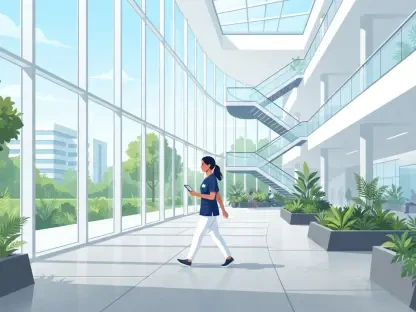
The architecture of modern medical education has pivoted toward immersive, high-tech environments that prioritize simulation and hands-on experience. Within the new 250,000-square-foot facility, emergency simulation rooms provide students with the opportunity to practice high-stakes decision-making in a controlled, risk-free setting. These labs utilize sophisticated software and robotics to mimic real-world medical crises, ensuring that graduates enter their residencies with a level of confidence and technical proficiency that traditional lecture halls could never provide. This shift toward experiential learning is a hallmark of contemporary academic medicine, emphasizing the transition from passive observation to active clinical application.
A foundational element of this educational shift is the inclusion of specialized research laboratories and donor-based anatomy labs. The meticulous study of the human body through donor programs remains an irreplaceable component of physician training, fostering a deep respect for the human form alongside anatomical mastery. This facility houses some of the most advanced imaging and laboratory equipment in the state, allowing students to engage in high-level research from the very beginning of their careers. By integrating outpatient surgical suites and advanced imaging directly into the academic facility, the university has created a streamlined environment where the boundary between classroom and clinic is almost invisible.
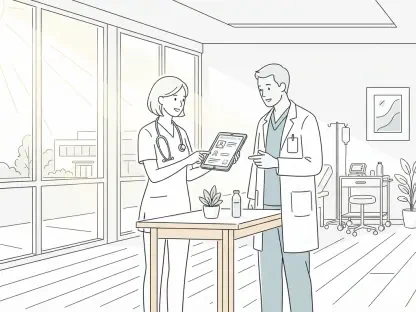
Utilizing specialized clinical services, such as women’s health and pulmonary care, within the same building as instructional spaces allows for a seamless transition for both students and patients. This model ensures that students are not merely learning from textbooks but are observing the nuances of patient interaction and care coordination in real time. The presence of eight fully equipped outpatient surgical suites further enhances this integration, providing a venue for complex procedures that serve as live learning laboratories. This holistic approach to facility design reflects a new standard where healthcare delivery and medical education are treated as two sides of the same coin.
Evaluating Economic Metrics and Long-Term Projections for Regional Medical Development
The economic narrative of this project is defined by a massive $308 million capital investment, a figure that highlights the gravity of the region’s medical ambitions. Funding was meticulously sourced from a combination of $100 million in UT System bonds and an $80 million contribution from the East Texas Medical Center Foundation, supplemented by diverse philanthropic partners. This diversified financial strategy demonstrates the strong alignment between state interests and local community vision. Analyzing these metrics reveals a robust commitment to infrastructure that goes beyond mere bricks and mortar, representing a permanent shift in the regional economic landscape.
A significant portion of the construction budget, approximately $117 million, was directed into the local economy through the use of Texas-based companies and labor. This ripple effect provided an immediate boost to regional businesses and construction firms, illustrating how academic expansion serves as a catalyst for local industrial growth. Moreover, the long-term economic projections are equally compelling. As the school reaches its full operational capacity, the continuous recruitment of highly paid faculty and medical staff will drive increased demand for local services and housing. This influx of professional talent acts as a sustainable engine for regional development, far outlasting the initial construction phase.
Looking ahead, the expansion of the regional medical workforce is expected to follow a steep upward trajectory through 2027 and beyond. The university aims to address long-term performance indicators for healthcare accessibility by monitoring patient outcomes in previously underserved corridors. By establishing a local talent pipeline, the institution is projected to see a significant percentage of its graduates remain in East Texas to practice. This retention is a critical metric for success, as it directly correlates with the long-term reduction of healthcare disparities and the enhancement of the region’s overall economic resilience.
Addressing Systematic Obstacles to Equitable Physician Distribution and Patient Access
Chronic physician shortages have long plagued rural and semi-urban corridors, creating a systemic barrier to equitable healthcare. The geographic concentration of specialists in large urban centers has left regions like Northeast Texas in a vulnerable position, where patients often face long wait times and significant travel burdens. This new school of medicine is a direct intervention in this cycle, designed to decentralize medical expertise and bring specialized care to the doorstep of those who need it most. By addressing these shortages at the source, the university is not just training doctors; it is rebalancing the healthcare map of the state.
The strategy for overcoming the “brain drain”—the tendency for talented students to leave their home regions for education and never return—revolves around the establishment of local talent pipelines. When medical students are recruited from the local community and trained in local facilities, they develop a profound connection to the regional patient population. This sense of belonging is a powerful motivator for students to establish their practices locally after graduation. Mitigating healthcare disparities requires this type of intentional placement, ensuring that the most advanced medical talent is distributed where it can have the greatest impact on public health.
Bridging the gap between academic theory and the practical needs of rural health clinics is another critical component of this initiative. Many medical students are traditionally trained in high-volume urban hospitals, which may not prepare them for the unique challenges of rural practice, such as limited resources and diverse patient needs. The UT Tyler model addresses this by placing students in longitudinal clinicals, where they work in community clinics throughout Smith County and beyond. This exposure ensures that future physicians are equipped to handle the complexities of rural healthcare, fostering a new generation of doctors who are as comfortable in a small-town clinic as they are in a state-of-the-art research hospital.
Maintaining Excellence Through Educational Accreditation and Healthcare Compliance Standards
Navigating the regulatory landscape for establishing a new medical school in Texas requires a meticulous approach to both academic and operational compliance. The University of Texas System Board of Regents plays a central role in this process, ensuring that the school meets the rigorous standards set by state and national accrediting bodies. This oversight is vital for maintaining the integrity of the medical degree and ensuring that the training provided is of the highest caliber. Compliance extends beyond curriculum to the very operation of the facility, where safety protocols and instructional quality are constantly monitored to meet evolving healthcare standards.
Security and privacy measures in modern clinical facilities have become increasingly complex, particularly with the rise of digital health records and sensitive research data. The new building incorporates advanced cybersecurity and physical security systems to protect both patient confidentiality and the integrity of ongoing medical research. These measures are essential for maintaining trust within the community and ensuring that the facility remains a safe environment for both care and learning. In an era where data is as valuable as clinical expertise, adhering to the highest standards of privacy is a non-negotiable aspect of modern healthcare management.
The commitment to longitudinal clinicals also requires a high level of coordination and adherence to continuity of care standards. These clinical rotations are designed to move beyond short-term observations, allowing students to follow patients over extended periods. This model demands rigorous scheduling and communication between the university and its partner clinics to ensure that patient care remains seamless. By maintaining these high standards of operational excellence, the school ensures that its educational mission never comes at the expense of patient safety or clinical effectiveness.
Forecasting the Impact of Longitudinal Clinical Models and Local Talent Pipelines
The potential for community-integrated medical models to reshape patient-physician relationships is one of the most promising aspects of the new school. By fostering early and consistent interaction between students and local residents, the longitudinal clinical model builds a foundation of trust that can improve patient compliance and health outcomes. This approach moves away from the transactional nature of modern medicine and toward a more relational model that prioritizes the long-term well-being of the individual. As these students transition into full-time practitioners, the deep-rooted connections they have formed will likely result in a more engaged and health-conscious community.
Future growth areas within the facility are expected to focus on high-demand specialties such as sports medicine, pulmonary care, and orthopedic services. These areas represent significant health needs in the East Texas population and provide fertile ground for both clinical excellence and specialized research. Furthermore, the university is already looking toward the expansion of residency programs by 2027, which will provide even more opportunities for advanced training within the region. This growth is essential for creating a self-sustaining medical ecosystem that can adapt to the changing needs of the population over the next several decades.
Fostering early interest in healthcare careers through partnerships with local school districts, such as the initiative with Bonner Elementary, is a long-term investment in the regional talent pool. By introducing children to the possibility of a medical career at a young age, the university is cultivating the next generation of East Texas doctors. This innovation in medical pedagogy, combined with a strong community presence, ensures that the school remains a vibrant and essential part of the regional fabric. The anticipated expansion of these programs will further solidify the institution’s role as a leader in both education and healthcare delivery.
Reimagining the Standard of Care and the Road Ahead for Northeast Texas Healthcare
The completion of the School of Medicine building functioned as a historic turning point for Northeast Texas, signaling a new era of regional self-reliance and clinical sophistication. This project succeeded because it leveraged the collective power of philanthropy, state support, and a clear community vision to address long-standing systemic challenges. The facility provided a physical space where education and healing could coexist, creating a beacon of opportunity for students and a sanctuary of care for patients. It demonstrated that the most effective way to improve regional health was to build the infrastructure necessary to train and retain local talent.
To sustain this momentum, the region had to prioritize continued investment in faculty recruitment and the expansion of residency programs. The actionable next step involved strengthening the bonds between the university and local healthcare providers to ensure a seamless transition for graduates entering the workforce. It was also imperative to maintain the philanthropic partnerships that provided the initial spark for this project, as ongoing support remained vital for student scholarships and research funding. By focusing on these priorities, the institution secured its place as a cornerstone of the regional economy and a leader in medical innovation.
The long-term outlook for East Texas became significantly more resilient as a result of this comprehensive approach to medical education. Stakeholders moved toward a model that emphasized preventative care and community engagement, reducing the burden on emergency services and improving the quality of life for residents. The success of the School of Medicine served as a blueprint for other regions facing similar healthcare disparities, proving that dedicated infrastructure and a local focus could overcome even the most entrenched systemic obstacles. Ultimately, the project transformed the regional identity, turning a medically underserved corridor into a thriving hub of health and learning.