
The modern healthcare industry is currently witnessing a seismic shift as medical providers move away from the traditional model of isolated laboratory tests toward a continuous stream of actionable biometric intelligence. This transition is essential as cardiometabolic conditions, specifically obesity and type 2 diabetes, now affect a significant portion of the global population. By utilizing biometric wearables, clinicians can finally bridge the gap between clinical intervention and the daily habits that drive metabolic outcomes. This evolution marks a departure from reactive medicine into a space where health is managed in real time.
The Evolution of Biometric Monitoring in Digital Health
Market Growth and Data-Driven Adoption
The demand for longitudinal health data has surged within the enterprise healthcare sector as providers recognize the limitations of static testing. Recent industry reports indicate a growing preference for continuous glucose monitors and biometric rings over traditional, infrequent laboratory snapshots. As health plans increase their investment in virtual care platforms, the focus has shifted toward creating a comprehensive view of patient physiology that persists between doctor visits. This trend reflects a broader cultural move toward data transparency and patient empowerment.
Real-World Integration: The Vida Health and ŌURA Partnership
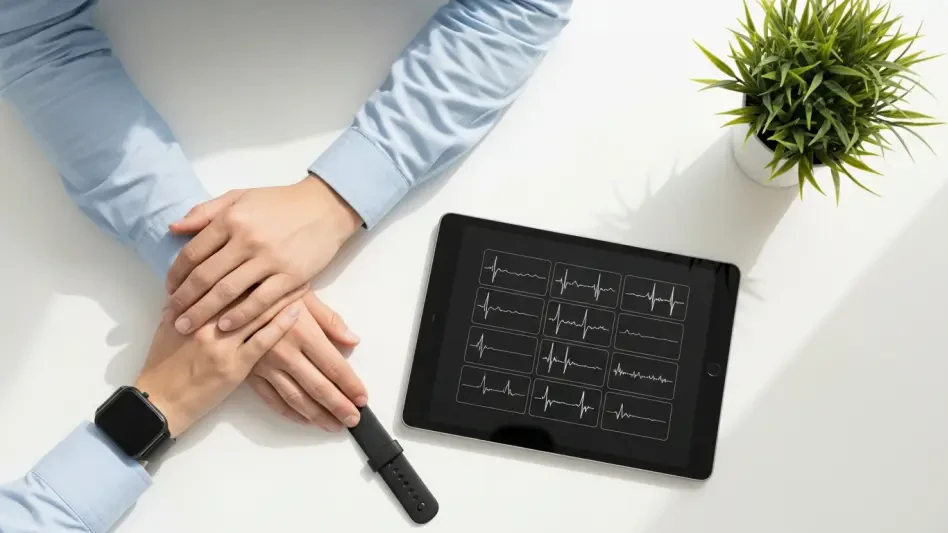
A significant development in this field is the strategic collaboration between Vida Health and ŌURA, which synchronizes wearable hardware with clinical workflows. This partnership allows a multidisciplinary team of physicians and dietitians to monitor heart rate variability and sleep patterns to inform treatment decisions. Eligible members receive these devices through their employers, facilitating a more integrated approach to anti-obesity medication management and personalized nutritional guidance. By embedding these tools into the daily lives of patients, the collaboration ensures that clinical advice is based on reality rather than memory.
Expert Insights on Longitudinal Clinical Models
Clinical leaders emphasize that traditional office visits often function as episodic snapshots that fail to capture the complexity of chronic disease. By closing the loop between behavioral changes and physiological outcomes, providers can now adjust treatment plans with unprecedented precision. This real-time feedback empowers clinicians to identify early warning signals, such as a rising resting heart rate, before a patient reaches a state of metabolic crisis. Moreover, this model fosters a stronger bond between the patient and the care team through consistent engagement.
Future Implications for Chronic Disease Management
The transition toward a holistic, data-driven model prioritizes physical recovery and daily routines as core pillars of metabolic health. While this approach promises to reduce long-term healthcare expenditures for institutional stakeholders, it also introduces challenges regarding data privacy and the necessity for standardized protocols. Predictive analytics will likely become the primary tool for preempting hospitalizations by analyzing trends across vast biometric datasets. Addressing the digital divide remains a priority to ensure these advancements do not leave underserved populations behind.
A New Standard for Cardiometabolic Care
The integration of continuous monitoring into standard practice redefined the patient-provider relationship by establishing a foundation of shared, real-time data. Stakeholders successfully moved beyond basic tracking to implement complex interventions that addressed the root causes of metabolic decline. Future efforts necessitated the development of open-source data standards to allow different wearable platforms to communicate seamlessly with existing electronic health records. This shift encouraged a universal adoption of preventative metrics that rewarded long-term wellness over short-term symptom management.