
The convergence of neuro-imaging precision and digital accessibility is dismantling the traditional boundaries that once separated intensive clinical interventions from the convenience of remote patient management. As the healthcare industry moves deeper into an era of personalized medicine, the field of psychiatry is leading a fundamental shift toward a more scientific, data-driven methodology. This transformation is characterized by the simultaneous rise of precision interventional psychiatry and the global integration of telehealth. Precision psychiatry represents a critical departure from the historical trial-and-error approach to mental health, favoring interventions tailored to the unique neurobiology of an individual, such as MRI-guided neuromodulation. Meanwhile, telehealth has transitioned from a temporary solution into a permanent pillar of medical delivery. This analysis explores how these two once-distinct domains are merging to create a hybrid future that optimizes patient outcomes through a sophisticated blend of high-tech physical interventions and digital accessibility.
Bridging the Gap: Advanced Technology and Accessible Care
The modern landscape of mental healthcare is undergoing a profound transformation, driven by the need for more effective treatments and broader patient reach. In the current market, precision psychiatry is no longer a peripheral academic pursuit but a central strategy for managing treatment-resistant conditions. By utilizing advanced diagnostic tools, clinicians can now identify specific neural circuits that require targeting, allowing for much higher success rates than traditional pharmacology alone. This level of technical sophistication traditionally required a patient to be physically present in a high-tech facility for every step of the process, from initial consultation to long-term follow-up.
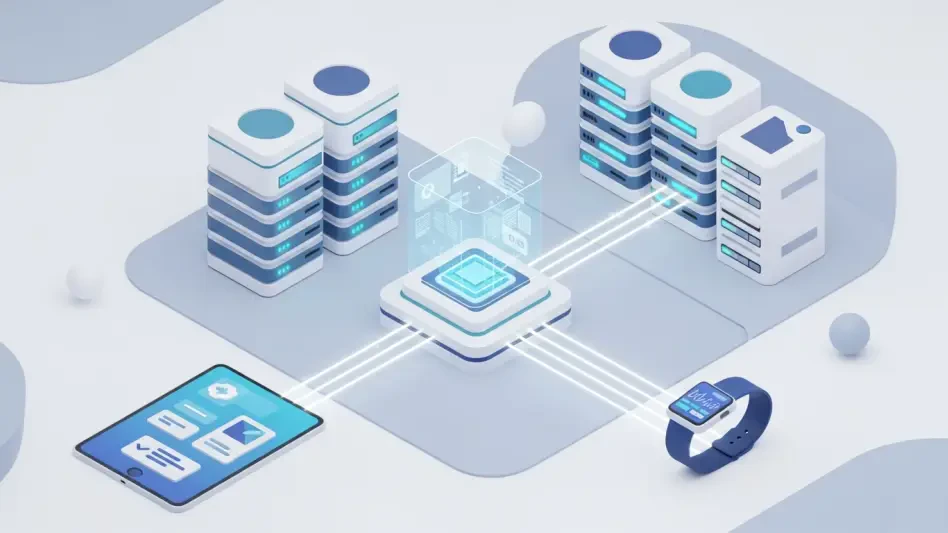
However, the rapid maturation of digital health platforms has introduced a new layer of efficiency into this high-intensity care model. Telehealth provides the essential infrastructure to manage the “cognitive” and “diagnostic” aspects of psychiatry, leaving the physical clinic to function as a specialized center for hardware-dependent procedures. This synergy addresses the primary bottleneck in mental healthcare: the scarcity of specialized providers. By offloading routine assessments and educational components to virtual environments, the industry is creating a more streamlined patient journey that maximizes the utility of both human expertise and technological assets.
From Traditional Methods: The Path to a Digital Revolution
Historically, the field of psychiatry relied almost exclusively on subjective self-reporting and generalized pharmacological treatments that often lacked biological specificity. For decades, patients spent months or even years cycling through various medications with varying degrees of success and significant side effects. This “one-size-fits-all” approach created a ceiling for patient recovery, particularly for those with complex or chronic conditions. The industry eventually began a shift toward “interventional” care, incorporating technologies such as Transcranial Magnetic Stimulation (TMS) and ketamine infusions, which targeted the brain more directly. This transition introduced a requirement for specialized physical infrastructure that many traditional practices were not equipped to provide.
The recent global acceleration of digital tool adoption acted as a catalyst, proving that the diagnostic and therapeutic components of psychiatry could flourish in a virtual setting. This realization highlighted a critical tension within the field: the challenge of delivering physically intensive, hardware-dependent treatments within an increasingly remote-first world. Understanding this background is essential because it sets the stage for the current hybrid evolution. The market is now solving this tension by redefining the clinical workflow, ensuring that the physical presence of the patient is reserved for high-value biological interventions, while the rest of the care continuum is digitized for maximum scale and convenience.
The Synergy: Virtual Screening and Personalized Intervention
Strengthening the Pre-Treatment Value Chain: Digital Eligibility
The integration of telehealth into interventional psychiatry begins long before a patient enters a physical treatment room. One of the most critical aspects of precision care is identifying the right candidates for specific, often resource-heavy, procedures. Digital platforms allow for the efficient collection of structured clinical data, including comprehensive psychiatric history and detailed records of previous treatment failures. These data points are essential for determining eligibility for procedures like accelerated TMS or targeted infusions. By using standardized digital assessment tools, providers can establish an objective baseline of data without the need for an initial in-person visit.
Furthermore, this remote phase helps bridge the psychological gap that often prevents patients from seeking advanced care. It offers a low-pressure environment where clinicians can educate patients on the mechanics of neuromodulation and address the lingering stigma surrounding brain-based interventions. This educational component is vital for patient retention and adherence. When patients enter a clinic for their first physical session, they do so with a clear understanding of the technology and realistic expectations for the outcome. This digital front-door strategy ensures that clinic resources are utilized only for patients who are fully screened and prepared for the intervention.
Redefining Clinical Oversight: The Power of Remote Supervision
A significant advancement in this hybrid model is the decoupling of physical presence from clinical expertise, allowing a single specialist to oversee multiple sites. In the context of precision psychiatry, the physical clinic is becoming a specialized “administration hub,” while the “clinical brain” remains accessible via high-definition video. For instance, during the calibration of a TMS device, a technician handles the hardware on-site while a supervising psychiatrist monitors the patient’s motor responses and brain-targeting data remotely. This allows the physician to make real-time adjustments to the treatment protocol without being physically bound to one location.
This distributed oversight is also poised to transform the emerging field of psychedelic-assisted therapy, where safety and clinical monitoring are paramount. Remote physicians can manage the complex tasks of informed consent, plan review, and emergency consultations, while specialized on-site staff handle the direct administration of the treatment and immediate patient support. This model significantly lowers the cost of delivery and increases the availability of specialists in rural or underserved areas. By utilizing remote supervision, healthcare systems can scale their interventional offerings without a linear increase in the number of highly trained physicians required on-site.
Utilizing Continuous Data: Real-Time Precision and Monitoring
Precision psychiatry thrives on high-quality data, and telehealth provides the infrastructure for remote measurement that far exceeds the capabilities of traditional in-office visits. By integrating data from wearable devices and app-based mood trackers, clinicians can move away from “snapshots” of a patient’s health and toward continuous, longitudinal data streams. This shift allows for a truly adaptive treatment model. If a patient’s biometric data or digital symptom logs indicate a plateau or a decline between sessions, the clinician can pivot the treatment protocol immediately.
This proactive approach addresses the common misconception that telehealth is only suitable for “talk therapy.” In reality, it is a vital tool for technical, data-driven medical adjustments in a precision environment. For example, a patient undergoing a course of neuromodulation may show physiological markers of improvement that are not yet reflected in their subjective mood. By analyzing this data remotely, the psychiatrist can decide to extend or intensify the treatment course based on objective evidence. This level of responsiveness was nearly impossible in the traditional model, where adjustments only occurred during infrequent face-to-face appointments.
Navigating the Frontier: Modern Mental Health Infrastructure
The future of the mental health industry is being shaped by the need to balance the benefits of decentralization with the hard limits of physical technology. While many aspects of care are moving to the home or the digital cloud, highly advanced precision techniques—such as fMRI-guided targeting and real-time EEG feedback—require calibrated, controlled environments that cannot be easily moved. We are witnessing the rise of “micro-clinics” that serve as high-tech hubs for physical procedures, supported by a vast network of remote specialists. These hubs are designed for procedure efficiency, prioritizing the space and hardware needed for interventions over large administrative or waiting areas.
Regulatory shifts regarding the remote prescribing of controlled substances and the reimbursement of virtual supervision will dictate how quickly these hybrid models can scale globally. Industry leaders predict that as “closed-loop” systems evolve, the need for seamless data integration between the home and the clinic will become the standard. These systems will likely adjust stimulation parameters or medication dosages automatically based on real-time feedback from the patient’s brain and body. As these technologies mature, the distinction between “in-person” and “remote” care will continue to blur, replaced by a unified system that prioritizes the most effective delivery method for each specific phase of the treatment.
Practical Strategies: Implementing a Hybrid Care Model
For healthcare systems and professionals looking to stay competitive, the transition to a hybrid model requires a strategic approach to infrastructure and patient management. Success in this new landscape depends on the ability to integrate diverse data sources into a single, actionable clinical view. Organizations should prioritize investments in telehealth platforms that can sync directly with wearable devices and digital symptom trackers. This ensures that the clinician has a holistic view of the patient’s progress, regardless of where the data was collected.
Furthermore, providers should focus on optimizing their physical footprint by creating specialized centers designed for high-throughput procedures. These clinics should be smaller and more focused than traditional psychiatric offices, emphasizing the hardware and specialized staffing required for interventional care. Standardizing remote screening processes is another key strategy; by using virtual consultations to filter and prepare patients, clinics can ensure that in-person time is reserved for high-value interventions. Finally, developing clear escalation pathways for transitioning remote patients to high-intensity in-person care in the event of an emergency is essential for maintaining safety and clinical rigor in a distributed system.
Embracing the Evolution: Modern Psychiatric Delivery
The intersection of telehealth and precision psychiatry marked the end of an era where virtual care and physical intervention were seen as opposing forces. As this analysis demonstrated, the intervention remains anchored in the physical world, but the precision is increasingly driven by digital insights and remote oversight. This synergy allowed for a mental health system that was both biologically informed and deeply human-centric. The long-term significance of this shift cannot be overstated, as it democratized access to gold-standard treatments that were once confined to elite academic centers.
Moving forward, the success of psychiatry depended on this nuanced coordination of high-touch care and high-reach technology. By integrating these two domains, providers were able to offer a level of care that was previously unimaginable, combining the convenience of the home with the power of the modern laboratory. Stakeholders in the industry focused on building the necessary data bridges and regulatory frameworks to support this hybrid reality. Ultimately, the evolution of psychiatric delivery ensured that the most advanced medical tools were available to those who needed them most, regardless of their geographic location or economic status. This unified approach provided a clear roadmap for the future of medicine, where technology served to enhance, rather than replace, the essential connection between patient and provider.