
The massive logistical undertaking of providing consistent access to life-saving medication across the diverse and often rugged terrain of Mexico has reached a critical turning point as the administration moves to consolidate every link of the pharmaceutical supply chain under state control. This strategic shift represents a departure from the fragmented procurement systems of the past decade, aiming to eliminate the inefficiencies that previously allowed for localized shortages and opaque pricing structures. By leveraging a centralized digital architecture, the government intends to monitor stock levels in real-time from the national warehouse down to the smallest rural clinic, ensuring that no patient is left without essential treatment due to administrative oversight. This transition is not merely a change in administrative policy but a fundamental restructuring of how health resources are allocated, emphasizing a data-driven approach to public health that prioritizes equitable access over the profit margins.
State-Led Procurement: Integrating Digital Oversight and Management
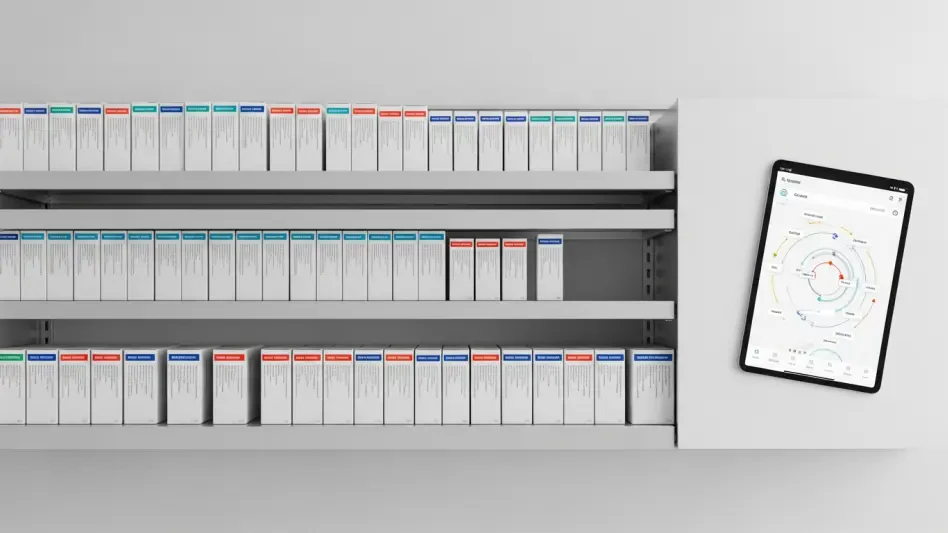
The implementation of a unified digital platform serves as the backbone of this new centralized strategy, creating a transparent ecosystem where every purchase order and delivery status is visible to federal health authorities. This system allows for the aggregation of demand from various state institutions, including IMSS and ISSSTE, which grants the government unprecedented bargaining power when negotiating with global pharmaceutical manufacturers. By standardizing the technical requirements for medications and streamlining the bidding process, the administration has significantly reduced the time required to finalize annual procurement contracts. This digital integration also facilitates a more predictive model of inventory management, utilizing historical consumption data to anticipate surges in demand for specific treatments, such as seasonal vaccines. Consequently, the government can now proactively manage stock levels, mitigating the risk of expiration that frequently plagued the older, less coordinated cycles.
Beyond digital tracking, the structural pivot involves the empowerment of Laboratorios de Biológicos y Reactivos de México, commonly known as Birmex, as the central authority for both the purchase and the physical distribution of medical supplies. This move effectively bypasses the traditional network of private distributors that had historically controlled the flow of medicines to public hospitals, often leading to inflated costs and logistical bottlenecks. By taking direct responsibility for the storage and transport of goods, the state aims to reclaim the fiscal resources that were previously lost to middleman fees and administrative overhead. This reorganization necessitates a massive scaling of state-owned logistics capabilities, requiring the acquisition of specialized refrigerated transport fleets and the construction of high-capacity storage facilities. The goal is to create a closed-loop system where the government maintains oversight of the product integrity from the manufacturer to the pharmacist.
Strategic Distribution: Strengthening Infrastructure and Regional Reach
The physical centerpiece of this centralized effort continues to be the massive national storage hub, which functions as the primary node for all imported and domestically produced pharmaceuticals. From this central point, a hub-and-spoke distribution network has been refined to move supplies to secondary regional warehouses strategically located to cover all thirty-two states. This hierarchical structure is designed to minimize the distance between the main inventory and the end-user, allowing for rapid replenishment of local clinics when unexpected shortages occur. The administration has invested heavily in upgrading these regional centers with advanced automated sorting systems that speed up the processing of outgoing orders, ensuring that high-turnover items are always prioritized for delivery. Furthermore, the integration of specialized cold-chain logistics ensures that sensitive biologics and vaccines maintain their efficacy throughout the journey, a vital component for reaching communities in the most remote areas.
The implementation of the centralized pharmaceutical model provided a robust solution to the systemic failures that had previously compromised the national healthcare system. By consolidating procurement and distribution, the administration successfully stabilized the supply of essential medicines and reduced the financial burden on the public treasury. It was observed that the integration of military logistics and state-owned storage facilities created a secure environment that effectively deterred the theft and corruption that had plagued the industry. Moving forward, the government recommended that future administrations continue to prioritize the expansion of domestic production to ensure long-term pharmaceutical sovereignty. These actions established a new standard for public health management, demonstrating that a well-coordinated state presence could achieve efficiency without sacrificing the needs of the most vulnerable populations. The project proved that data-driven centralization was the most effective way to guarantee the right to health.