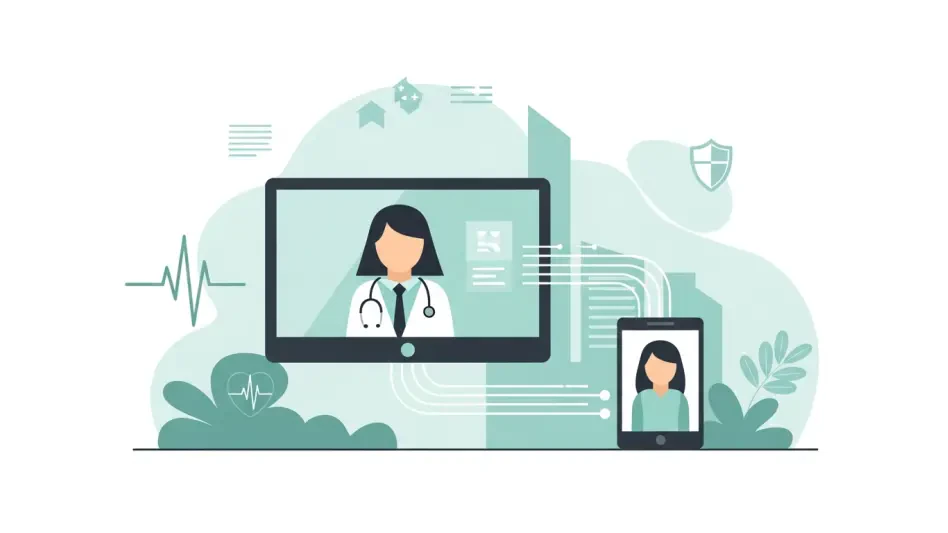

The cityscape of Philadelphia is witnessing a profound shift in how medical services are delivered as major healthcare institutions transition from emergency telehealth measures to integrated virtual primary care models. Leading organizations like Jefferson Health, Penn Medicine, and Main Line Health have recognized that the digital medium is no longer a stopgap but a sophisticated tool for maintaining long-term doctor-patient relationships. Rather than reserving video calls for minor ailments like seasonal allergies or common colds, these providers are redesigning their workflows to support chronic disease management and preventive wellness through a “history-first” approach. This strategic pivot acknowledges that high-quality clinical outcomes are not tethered to a physical examination table but depend on the quality of communication. By positioning virtual primary care as a full-scale alternative to traditional office visits, local systems are reaching a diverse range of residents who value both convenience and clinical excellence.
Clinical Rigor and Holistic Patient Insights
The Philosophy of the History-First Approach
The implementation of a “history-first” approach has redefined the philosophy of primary care, shifting the focus from physical examination to the deep narrative shared between doctor and patient. Philadelphia’s health systems are operating on the premise that a significant majority of clinical diagnoses can be accurately determined through a meticulous review of a patient’s reported symptoms and lifestyle factors. This model encourages clinicians to spend more time engaging in active listening and asking targeted questions that probe the root causes of illness. By prioritizing these detailed dialogues, providers are able to build stronger, more informed relationships with their patients without the distractions of a busy clinic environment. This transition represents a broader commitment to treating the patient as a whole person, where their personal history and daily experiences form the cornerstone of their care plan. This philosophical shift ensures that the virtual medium is utilized not just for convenience, but as a superior tool for comprehensive diagnostic inquiry.
Maintaining Professional Standards in a Digital Environment
To maintain the highest professional standards in this digital environment, institutions like Jefferson Health have developed rigorous training programs that prepare physicians for the unique challenges of remote practice. These programs focus on optimizing the virtual encounter by teaching clinicians how to use high-definition video to perform detailed visual assessments, such as observing a patient’s gait, speech patterns, or respiratory effort. Doctors are now trained to conduct neurological assessments and identify subtle physical changes that were once thought to require an in-person visit, ensuring that no detail is lost in the digital medium. This commitment to clinical rigor is supported by integrated electronic health records that provide a seamless view of the medical journey across various digital and physical touchpoints. By standardizing these digital workflows, Philadelphia’s healthcare providers are ensuring that the move toward virtual care does not come at the expense of accuracy or safety, providing a reliable foundation for long-term health management and early disease detection.
Evaluating the Impact of Home Environments on Wellness
An unexpected but significant benefit of the virtual primary care model is the unique “window” it provides into a patient’s daily living environment, which a sterile exam room cannot replicate. Seeing a patient’s actual home allows physicians to identify social determinants of health, such as potential safety hazards or lifestyle factors, that directly impact long-term wellness and recovery. This holistic perspective enables doctors to coordinate more effectively with social workers or home services, leading to more personalized care plans than a standard office visit might allow. For example, a clinician might observe the layout of a patient’s living space to assess fall risks for a senior or check the kitchen environment to offer more practical nutritional advice. This insight into the patient’s reality fosters a deeper understanding of their daily challenges, allowing for a more empathetic and effective medical partnership. By integrating these environmental observations into the clinical record, providers are better equipped to address the root causes of health issues and improve overall community outcomes.
Expanding Accessibility and Streamlining Logistics
Reimagining Logistics for Broad Community Reach
Expanding the reach of primary care through digital platforms involves more than just implementing technology; it requires a comprehensive overhaul of logistical workflows to reach traditionally underserved populations. Philadelphia’s leading medical institutions are currently focusing on streamlining these processes to ensure that accessibility is not hindered by physical, psychological, or geographic barriers. This initiative involves the creation of specialized care tracks that cater to individuals who find the traditional clinical environment overwhelming or difficult to navigate. By removing the need for physical travel and the stress of a waiting room, these systems are effectively increasing engagement among patients who might otherwise delay or avoid necessary medical consultations. The goal is to create a seamless interface where digital access and physical diagnostics work in tandem to provide a high-quality care experience for everyone. This strategic expansion is designed to make healthcare a more fluid and responsive part of the patient’s daily life, regardless of their specific physical or cognitive needs.
Specialized Care Tracks for Diverse Patient Populations
Virtual care significantly lowers barriers for populations that require specialized medical attention, including those with physical disabilities or neurodivergent conditions like autism and Down syndrome. For these patients, receiving care in a sensory-friendly, familiar environment reduces the trauma often associated with medical visits and leads to more consistent follow-up compliance. Health systems across the Philadelphia region have observed that virtual appointments decrease the “no-show” rate among these demographics by eliminating the logistical hurdles of specialized transportation and crowded clinics. Projections indicate that these specialized virtual-only tracks could soon account for 20 percent of all new primary care enrollments, reflecting a massive shift in how the community accesses essential health services. This patient-centric innovation ensures that healthcare is delivered on the individual’s terms, prioritizing their comfort and psychological well-being above traditional hospital protocols. Consequently, this model fosters a deeper level of trust between patients and their providers, resulting in more effective long-term health outcomes.
Building a Resilient Infrastructure: Actionable Steps for System Growth
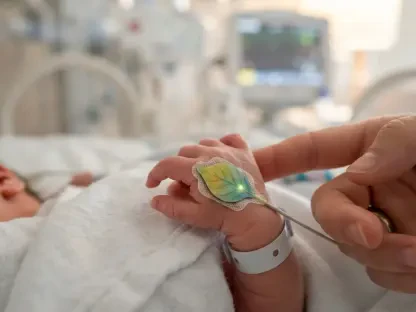
To bridge the physical gap, healthcare administrators established a network of localized diagnostic hubs and successfully integrated remote monitoring devices into the standard care protocol. This transition was supported by the implementation of secure, interoperable data systems that allowed real-time tracking of patient vitals such as blood pressure and glucose levels. By focusing on these technical infrastructure improvements, the city’s health systems significantly improved early disease detection and reduced the frequency of acute medical emergencies. Leaders also prioritized the development of clear patient engagement guidelines, which ensured that virtual consultations remained focused and professionally rigorous. These strategic investments resulted in a more resilient healthcare landscape that effectively balanced digital convenience with clinical accuracy. Ultimately, the successful expansion of virtual primary care served as a blueprint for long-term health management, ensuring that high-quality medical oversight remained accessible to all residents across the Philadelphia region.