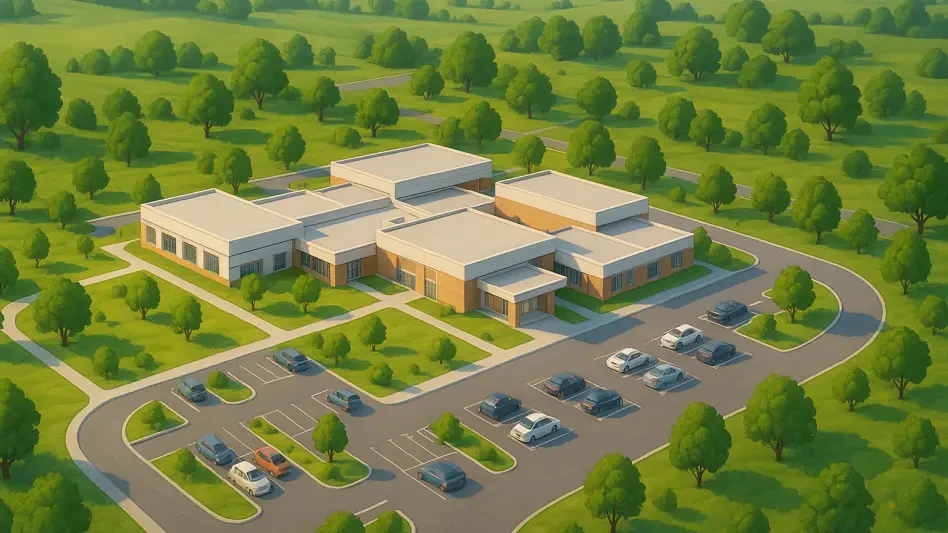

The architectural skeleton of a new healthcare sanctuary is rising in the heart of the Purépecha plateau, signaling a profound shift in how the Mexican state delivers vital medical services to its most historically neglected citizens. This development reflects a broader transformation within the Institute for Social Security and Social Services for State Workers (ISSSTE), which now focuses on creating a more resilient and accessible safety net. As the current administration navigates the complexities of a multi-tiered public health system, the integration of ISSSTE alongside IMSS and IMSS-Bienestar has become a cornerstone of national stability. This collective approach ensures that medical coverage is no longer a privilege of urban dwellers but a guaranteed right reaching the deepest rural corridors.
Federal funding serves as the primary engine for this infrastructure revitalization, acting as a catalyst for socio-economic growth in indigenous regions. By investing heavily in these areas, the government is not only improving health outcomes but also stimulating local economies through job creation and improved logistics. The National Hospital Infrastructure Plan provides a clear roadmap for this journey, emphasizing the modernization of aging facilities that have long struggled to keep pace with demographic shifts. Consequently, the ongoing progress in Michoacán represents a vital micro-study of a nationwide effort to harmonize social security services with the actual needs of a diverse population.
The Evolution of Mexico’s Public Healthcare and Infrastructure Landscape
The current state of the Mexican healthcare system is defined by a rigorous push toward institutional equity and the expansion of clinical reach. ISSSTE plays a pivotal role in this landscape by providing specialized social security and medical services to millions of state workers who form the backbone of public administration. The National Hospital Infrastructure Plan has emerged as the strategic blueprint for this era, prioritizing the renovation of facilities that have historically suffered from underinvestment. This plan is not merely about construction; it is a systematic attempt to modernize the tools and environments where healing occurs.
Institutional collaboration between ISSSTE, IMSS, and IMSS-Bienestar has created a more unified front against healthcare disparity. While each entity serves a specific demographic, their shared reliance on federal investment allows for a more synchronized expansion of national health coverage. In rural and indigenous regions, these public investments do more than just build walls; they foster a sense of social belonging and provide the stability necessary for long-term regional development. As a result, the healthcare landscape is shifting from a fragmented model toward a more integrated and inclusive national network.
Strategic Expansion and Market Growth in Regional Medicine
Innovative Trends in Decentralized Care and Technological Integration
The shift toward decentralizing medical resources is a direct response to the historical inequities that have plagued the Purépecha plateau. By moving away from a central-heavy medical model, ISSSTE is establishing “one-stop” medical hubs that integrate ambulatory, surgical, and inpatient services under a single roof. This approach significantly enhances patient flow and reduces the time between diagnosis and treatment. These modern facilities are designed to be clinical autonomous zones, where laboratory and digital diagnostic support ensure that remote populations receive the same quality of care as those in the capital.
Technological integration is also visible in the emerging focus on specialized fields like geriatrics and pediatrics, which are essential for managing a multi-generational demographic. The adoption of modern laboratory infrastructure and digital imaging allows for rapid diagnostic turnarounds, which is a critical component of decentralized care. By providing these services locally, ISSSTE is effectively dismantling the barriers of distance and cost that previously prevented rural residents from seeking specialized medical attention. This trend is expected to continue as more facilities adopt tele-diagnostic capabilities to link local clinics with national specialists.
Performance Indicators and Long-Term Healthcare Projections
The nationwide healthcare expansion is supported by a massive MX$181 billion investment strategy intended to sustain growth through 2030. Within this framework, ISSSTE has set an ambitious goal to achieve a 10% increase in nationwide surgical volume by the end of 2026. This target is not just about numbers; it represents a commitment to maximizing the utility of every new operating room and specialized unit. The focus remains on incremental capacity, ensuring that new facilities like the one in Cherán complement the existing network rather than simply replacing older structures that still have operational value.
In Michoacán specifically, the forecasted benefits for the 24,000 beneficiaries are substantial. The expansion is expected to alleviate pressure on larger state hospitals, allowing for a more balanced distribution of the patient load. Projections indicate that the increased surgical and diagnostic capacity will lead to a measurable improvement in local health indicators within the first few years of operation. For state workers, this means a significant upgrade in the social services they receive, reinforcing the value of their contribution to the public sector and ensuring a healthier workforce for the future.
Overcoming Structural and Logistical Obstacles in Rural Healthcare
Constructing high-tech facilities in geographically isolated or underserved regions presents a unique set of structural and logistical hurdles. The rugged terrain of the Purépecha region requires specialized engineering solutions to ensure that complex medical equipment remains stable and operational. Moreover, the supply chain for maintaining sophisticated technology, such as hemodialysis chairs and advanced imaging systems, must be meticulously managed to avoid service interruptions. These challenges demand a proactive approach to facility management and a robust partnership with logistics providers.
Addressing the “surgical backlog” is another critical objective that requires the deployment of state-of-the-art operating rooms in areas where they were previously non-existent. These units must be supported by consistent staffing and the retention of medical specialists, which often proves difficult in rural indigenous communities. To mitigate this, ISSSTE is implementing specialized recruitment strategies and providing the necessary infrastructure to make these regions more attractive to top-tier medical talent. Ensuring that these facilities are fully staffed is just as important as the physical construction itself.
Regulatory Frameworks and Standards for Clinical Modernization
Compliance with federal healthcare regulations is a non-negotiable aspect of the modernization process, particularly under the directives of the Michoacán Plan for Peace and Justice. This plan links clinical outcomes with social stability, necessitating a high standard of care that meets both national and international benchmarks. Modern obstetric and surgical protocols are strictly followed to ensure patient safety and clinical efficiency. These standards provide a framework for the MX$298 million allocation recently dedicated to furniture and equipment upgrades, ensuring that every piece of tech aligns with modern medical requirements.
Safety and security are also integral to the design of new hospitals, with an emphasis on long-term operational resilience. Facilities must be built to withstand regional environmental challenges while protecting patients and staff. The regulatory environment ensures that institutional modernization funds are used effectively, focusing on areas that provide the highest return on patient health. By adhering to these rigorous standards, ISSSTE is building a foundation for a healthcare system that is not only modern but also reliable and safe for generations to come.
The Future of Inclusive Medicine: Cultural Synergy and Innovation
A fascinating aspect of this expansion is the integration of traditional Purépecha medicine and midwifery into the institutional framework. This hybrid model recognizes the cultural importance of traditional healing and seeks to create a synergy between ancestral knowledge and modern clinical practices. By providing dedicated spaces for midwives and traditional practitioners, ISSSTE is creating a more welcoming environment for indigenous patients. This approach serves as a potential blueprint for other culturally diverse regions throughout Latin America, demonstrating that innovation does not always mean moving away from tradition.
The future of healthcare in the region also hinges on the expansion of chronic disease management, particularly in the realm of renal therapy. Expanding peritoneal dialysis and hemodialysis infrastructure is a priority, given the high prevalence of kidney-related issues in the population. As federal policy shifts and global economic conditions fluctuate, the continuity of these large-scale infrastructure projects will depend on sustained political will and strategic financial planning. The focus on chronic care ensures that the hospital remains a vital asset for the community long after the initial construction phase is complete.
Summary of Regional Advancements and Strategic Recommendations
The construction of the Cherán hospital functioned as a landmark achievement that bridged the gap between modern clinical standards and the specific needs of the Michoacán highlands. Stakeholders recognized that the facility’s 14% progress during the early phases of the year established a momentum that was vital for the project’s overall timeline. The integration of specialized services like renal therapy and geriatrics provided an immediate answer to long-standing healthcare deficits. Furthermore, the project demonstrated that respect for indigenous traditions could coexist with high-tech medical protocols, creating a more inclusive environment for the 24,000 local beneficiaries.
Moving forward, the focus transitioned toward the long-term sustainability of medical staffing and the continuous modernization of diagnostic equipment. Analysts recommended that future investments prioritized the training of local healthcare professionals who possessed a deep understanding of both clinical medicine and Purépecha culture. The successful deployment of the MX$600 million initial investment proved that decentralized healthcare was not only feasible but essential for national stability. Ultimately, the federal commitment to healthcare as a fundamental right was solidified through these tangible infrastructure gains, setting a new standard for public health initiatives across the country.