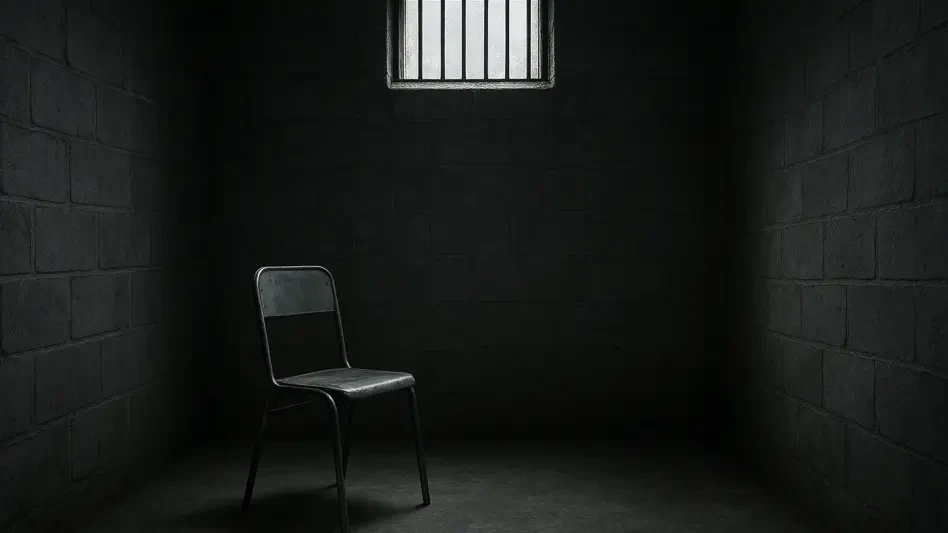

The absence of state and federal funding for rural jurisdictions has turned the criminal justice system into a precarious safety net for a failing public health sector. In the current landscape of 2026, county jails have unintentionally transformed into the primary psychiatric treatment centers for their communities, a role they were never designed to fulfill. Facilities like the Churchill County Detention Center in Nevada find themselves at the epicenter of this crisis, managing complex behavioral health issues that require clinical expertise far beyond the scope of traditional correctional training. For an individual suffering from severe conditions such as bipolar disorder or clinical depression, the experience of being processed into a jail environment often acts as a catalyst for immediate psychological decompensation. Removed from familiar support systems and stripped of personal autonomy, these inmates enter a high-stress environment that frequently exacerbates pre-existing symptoms, turning a routine arrest into a protracted medical emergency that correctional staff are ill-equipped to manage.
The Intersection of Law and Limited Resources
Legislative Mandates and Financial Realities
A significant tension exists between the high-reaching legislative mandates of state governments and the stark fiscal realities faced by local rural administrations. In Nevada, recent legal revisions require jails to provide a high standard of coordinated mental health care and substance use treatment, including advanced protocols like medication-assisted treatment for opioid dependency. While these requirements reflect a progressive understanding of inmate needs in 2026, they are rarely accompanied by the necessary state or federal funding to establish the required clinical infrastructure. Consequently, rural counties are forced to bridge a massive financial gap, attempting to provide professional-grade healthcare with insufficient resources and a chronic shortage of psychiatric staff. This creates a situation where the legal responsibility for care is absolute, yet the means to provide it are virtually non-existent, leaving local sheriffs to manage a systemic failure with local tax dollars that were never intended to support full-scale medical operations.
The administrative burden of complying with these unfunded mandates further complicates the daily operations of rural detention centers. Providing the level of care now demanded by law requires intensive documentation, specialized screening processes, and constant medical oversight that most small departments cannot sustain. When 2026 regulatory updates introduced stricter guidelines for psychiatric monitoring, they added a complex layer of healthcare management to a system staffed by law enforcement officers rather than doctors. This fundamental misalignment forces jail administrators to make impossible choices, often diverting funds from essential security upgrades or personnel recruitment to pay for contract nursing services. As a result, many rural facilities operate in a state of permanent fiscal crisis, where the immediate safety requirements of the jail are in constant competition with the medical necessities of the population, leading to a degraded quality of service and higher risks for everyone involved in the detention process.
Operational Challenges and Personnel Impact
The operational daily life within a rural jail is defined by the constant management of medical uncertainty and immediate psychiatric crisis. During the intake process, which is the most critical window for intervention, inmates in acute distress are often unable or unwilling to provide a coherent medical history. This lack of data creates a dangerous information vacuum where jail staff must guess at potential drug interactions or existing conditions. Families of the incarcerated often become the primary source of medical information, acting as informal liaisons who must hand-deliver physical prescriptions to the facility. This reliance on outside intervention is not only inefficient but also introduces significant security risks and delays in treatment. Staff must spend hours verifying the authenticity of medications and contacting previous providers, a process that can take days during which the inmate’s mental state may continue to deteriorate significantly, further straining the facility’s ability to maintain safety and order.
Managing high-risk inmates, particularly those on suicide watch or in the throes of a psychotic episode, requires an exhaustive commitment of human resources. In many rural facilities, protocols require deputies to perform physical welfare checks every fifteen to thirty minutes, a task that effectively removes them from their other security duties. A single high-needs individual can consume the entire focus of the medical liaison and several deputies, creating a strain that ripples through the entire organization. In 2026, the complexity of behavioral health issues has reached a point where detention staff are essentially running a miniature psychiatric hospital within the walls of a jail. This operational diversion means that routine tasks, such as transport to court hearings or managing vocational programs, are often deprioritized. The facility becomes a place of mere containment rather than a structured environment for justice, as the primary mission shifts from maintaining security to preventing the immediate death or self-injury of those in custody.
Path Toward Systemic Realignment
The analysis of rural jail operations revealed that the current model was unsustainable and required a complete paradigm shift in how psychiatric care was delivered in carceral settings. Lawmakers and community leaders recognized that simply mandating coordination was insufficient without the backing of dedicated, sustainable funding streams for on-site medical professionals. To move forward, jurisdictions sought to establish regional mental health hubs that could provide a higher level of care outside the criminal justice system, thereby reducing the number of individuals in crisis entering the jails. Future considerations focused on expanding the use of diversion programs that redirected non-violent offenders with mental illnesses into treatment-intensive environments before they reached the intake desk. By investing in a trifecta of qualified clinical staff, accessible community treatment facilities, and robust legislative support, counties aimed to reclaim the primary mission of their detention centers while ensuring that healthcare needs were met with dignity.