
In the IMPALA-2 Phase 3 clinical trial, patients treated with inhaled molgramostim demonstrated a significant 9.8-point improvement in lung gas transfer compared to those receiving a placebo. This remarkable clinical outcome has placed Savara’s therapy at the center of a developing regulatory controversy after the U.S. Food and Drug Administration allowed its decision deadline to pass without action. For the thousands of Americans living with autoimmune pulmonary alveolar proteinosis, the silence from the agency represents a prolonged wait for the first pharmacologic treatment for their condition. The goal date of November 22 passed without an approval, a rejection, or a revised timeline for further review. This delay has left the industry and patient advocacy groups questioning the reliability of current regulatory frameworks for orphan drugs. While the medication shows immense promise in addressing the underlying pathology of this rare disease, the administrative limbo prevents an immediate transition from clinical success to medical availability.
The Challenges of Autoimmune PAP
Impact on Respiratory Health
Autoimmune pulmonary alveolar proteinosis is a complex respiratory disorder characterized by a breakdown in the body’s natural waste clearance mechanisms within the lungs. In a healthy respiratory system, granulocyte-macrophage colony-stimulating factor (GM-CSF) signals immune cells called alveolar macrophages to clear out old surfactant. Surfactant is a necessary lipid-protein substance that keeps air sacs open, but in patients with PAP, the immune system mistakenly produces antibodies that neutralize this vital signaling protein. Without the GM-CSF signal, the macrophages fail to perform their cleaning duties, leading to a massive accumulation of surfactant within the alveoli. This biological “clutter” effectively floods the air sacs, making it nearly impossible for oxygen to pass from inhaled air into the bloodstream. The resulting oxygen deprivation forces the heart and lungs to work significantly harder, leading to the profound physical exhaustion common in patients.
The long-term consequences of untreated surfactant accumulation extend far beyond immediate breathing difficulties, as the physical presence of the excess material triggers inflammatory responses. Over time, this persistent inflammation can lead to permanent interstitial lung disease or pulmonary fibrosis, where the delicate lung tissue is replaced by thick, nonfunctional scar tissue. For the 2,000 to 8,000 individuals in the United States currently battling this condition, the daily reality involves persistent coughing and an inability to perform even minor physical tasks without supplemental oxygen. Because the disease often strikes adults in the prime of their lives, the socioeconomic impact is substantial, frequently leading to disability and a complete withdrawal from the workforce. The risk of life-threatening secondary infections is also significantly elevated, as the stagnant fluid in the lungs provides an ideal environment for pathogens to thrive.
Limitations of Invasive Procedures
Since no pharmacological treatments are currently approved by the FDA for this condition, medical professionals must rely on a crude but necessary intervention known as whole lung lavage. This procedure is exceptionally invasive and requires the patient to be placed under general anesthesia in a hospital setting. Doctors insert a specialized tube to isolate one lung, while a ventilator maintains oxygenation through the other. They then repeatedly wash the isolated lung with a warm saline solution—often using up to 15 liters of fluid in a single session—to physically rinse the thick, milky surfactant out of the air sacs. The process is so physically demanding that only one lung is typically treated at a time, often requiring the patient to return weeks later for the second half of the procedure. Despite its effectiveness in temporarily clearing the airways, lavage does nothing to address the underlying autoimmune signaling failure that causes the surfactant buildup.
The logistical and physiological burdens of whole-lung lavage make it a suboptimal long-term solution for most patients. Because the procedure requires specialized equipment and a team of experts, including anesthesiologists and pulmonologists, it can only be performed at a limited number of high-volume medical centers across the country. This forces many patients to travel long distances while suffering from severe respiratory distress just to receive standard care. Furthermore, the recovery period following such a massive saline wash can be lengthy, with risks of pneumonia, fluid imbalance, and lung injury. Many patients find that their symptoms return within months or even weeks as surfactant begins to accumulate again, leading to a cycle of repeated procedures that carry cumulative risks. The lack of a non-invasive alternative underscores the desperation for a drug like molgramostim, which could potentially eliminate the need for these mechanical washings entirely.
Potential for Therapeutic Innovation
Mechanisms of Inhaled Treatment
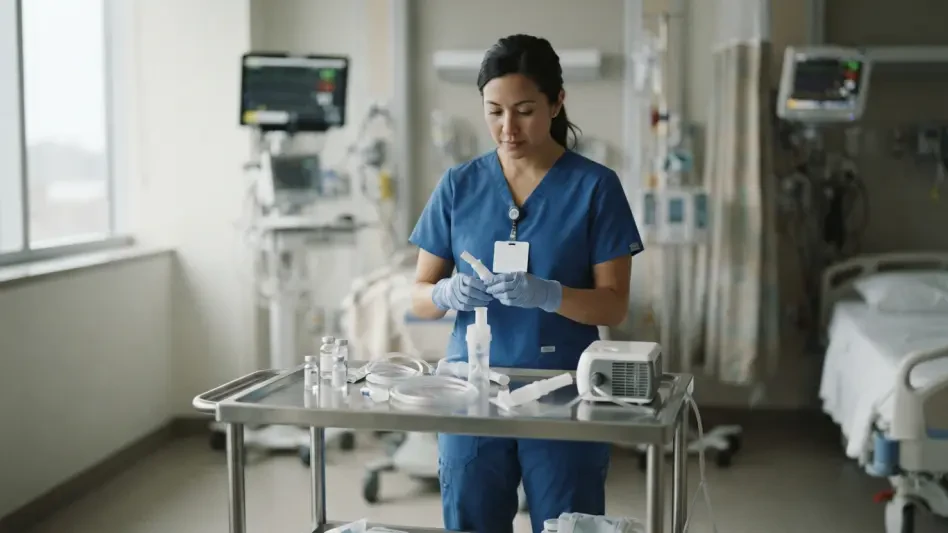
Molgramostim offers a radically different approach by targeting the root cause of surfactant buildup through a localized delivery system. As a recombinant form of the GM-CSF protein, the medication is engineered to function identically to the natural signaling molecule neutralized by the patient’s own antibodies. The drug is administered via a high-tech nebulizer, which transforms the liquid medication into a fine mist inhaled directly into the deep recesses of the lungs. By delivering the GM-CSF protein directly to alveolar macrophages, the treatment provides the necessary instructions for these immune cells to resume their clearing functions. This targeted delivery is designed to bypass inhibitory antibodies circulating in the bloodstream, focusing the therapeutic effect exactly where it is needed most. This method represents a significant advancement over systemic treatments, as it minimizes the potential for side effects in other organs.
The successful integration of molgramostim into the pulmonary environment relies on the drug’s ability to restore a delicate biological balance that has been disrupted by the autoimmune response. When the nebulized mist reaches the alveoli, the recombinant proteins bind to specific receptors on the surface of macrophages, reinitiating the cellular processes required to break down and remove lipids and proteins. This restoration of function allows the lungs to begin clearing the accumulated surfactant naturally, much like a healthy organ would. Over the course of regular treatment, this localized immune boost helps keep the air sacs clear of debris, thereby facilitating the efficient exchange of oxygen and carbon dioxide. This pharmacological intervention shifts the focus of care from reactive mechanical removal to proactive disease management. For patients, this could mean the difference between maintaining a normal lifestyle and being tethered to the hospital for invasive lavage procedures.
Evidence of Clinical Benefit
The clinical efficacy of inhaled molgramostim was established through the rigorous IMPALA-2 Phase 3 trial, which remains one of the largest studies ever conducted for this rare disease. The trial enrolled 164 adults across multiple international sites to evaluate the drug’s effectiveness compared to a placebo. The primary endpoint focused on the change in the diffusing capacity of the lung for carbon monoxide, a standard metric used to assess how well oxygen passes from the lungs into the blood. Patients receiving the active treatment showed a nearly 10-point improvement in this measurement, which is a statistically and clinically significant gain for individuals with compromised lung function. In contrast, those in the placebo group saw minimal improvement, highlighting that the drug was directly responsible for the observed physiological benefits. These findings were published in prominent medical journals, garnering support from experts in the field of pulmonary medicine.
Secondary outcomes from the clinical trials provided even more compelling evidence for the drug’s potential to transform patient care. Researchers observed a sharp decline in the frequency of whole lung lavage procedures among the group treated with molgramostim, suggesting that the medication effectively managed surfactant levels well enough to avoid surgical intervention. Patients also reported significant improvements in their ability to perform daily physical activities, which were reflected in improved scores on standardized respiratory questionnaires. The safety profile of the drug remained favorable throughout the study period, with most adverse events being mild to moderate and localized to the respiratory tract. These combined data points suggest that the treatment not only improves the underlying biology of the disease but also offers tangible benefits to patients’ quality of life. The delay in FDA approval therefore represents a significant setback in delivering these benefits to the broader patient population.
Regulatory Hurdles and Administrative Delays
Timeline of the Review Process
The path to regulatory consideration for molgramostim has been fraught with administrative challenges that began well before the current missed deadline. In May 2025, the FDA issued an initial refusal-to-file letter to Savara, indicating that the application lacked sufficient manufacturing data to proceed with a full review. It is important to note that this initial rejection was based purely on technical documentation rather than concerns regarding the drug’s safety or clinical efficacy. Following a period of intense collaboration between the company and regulatory consultants, a resubmitted application was accepted in December 2025. Recognizing the high unmet medical need for PAP patients, the FDA granted the drug priority review status, which typically shortens the goal for a decision from ten months to six. This designation initially set the stage for an anticipated decision in August, providing a glimmer of hope for a rapid market entry that could have significantly benefited patients during the 2026 calendar year.
The timeline shifted again in April after the FDA requested additional information from Savara regarding certain manufacturing processes and quality controls. The agency determined that the volume and nature of the responses provided constituted a “major amendment” to the original application. Under standard operating procedures, such an amendment automatically triggers a three-month extension of the review period, pushing the goal date from August to November 22. This extension was intended to give agency staff sufficient time to thoroughly vet the new data and ensure that manufacturing standards met all safety requirements. However, as the final November deadline arrived, the agency failed to produce a decision, leaving the application in a state of indefinite review. While the FDA has the authority to miss these non-binding goal dates, doing so without providing a formal explanation is relatively rare for high-priority orphan drugs, creating an information vacuum for all stakeholders.
Factors Influencing Agency Performance
Several systemic factors within the federal regulatory environment may be contributing to the unexpected delay of molgramostim’s approval. Since late 2024, the FDA’s Center for Drug Evaluation and Research has experienced an 18% reduction in staffing levels due to a combination of budget constraints and a wave of retirements among senior reviewers. This decrease in specialized personnel has created a significant backlog in the review of new drug applications, particularly for complex biologics that require specialized manufacturing inspections. Furthermore, the agency has been operating under the leadership of an acting commissioner for several months, a situation that often leads to a more cautious and slower decision-making process for novel therapies. While these administrative hurdles do not necessarily reflect the merits of the drug itself, they create a bottleneck that can stall even the most promising medical advancements. The cumulative effect is a regulatory system that is struggling to keep pace.
The economic consequences of this administrative silence have been severe for Savara, highlighting the precarious nature of small pharmaceutical firms awaiting regulatory news. Following the news that the November deadline had passed without action, the company’s stock price plummeted by nearly 18% as investors reacted to the uncertainty. This market volatility is particularly critical because the approval of molgramostim is tied to a significant financing agreement worth approximately $150 million, which is essential for the company’s long-term operations and the drug’s eventual launch. Without a clear path forward, the projected commercial release in the United States could easily slide into the first half of 2027, further delaying the return on investment and the availability of the drug. Industry analysts point out that such delays can discourage future investment in rare disease research, as the risks associated with regulatory unpredictability may start to outweigh the potential for clinical success.
Global Context and Patient Care
Discrepancies in International Approvals
As the regulatory process in the United States remains stalled, other international governing bodies are moving forward with their own assessments of PAP treatments. Japan has already taken a proactive stance by authorizing sargramostim, a related inhaled GM-CSF therapy, providing a clear regulatory precedent for this class of medication. In the United Kingdom, the Medicines and Healthcare Products Regulatory Agency is expected to issue a decision imminently, while the European Medicines Agency is currently on track to finalize its review by the start of 2027. These global variations in approval timelines create a difficult landscape for patients, as the same life-saving treatment may be available in one country while remaining unapproved in another. This geographic disparity often leads to “medical tourism” or desperate attempts by patients to source medications from abroad, which can be both expensive and legally complex. The lack of international harmonization remains a major hurdle.
The divergence between U.S. and global regulatory speed highlights the unique challenges faced by the FDA in balancing thoroughness with the urgency of rare disease management. While European and Asian regulators have developed pathways that allow for conditional approval based on interim data, the U.S. system often demands more exhaustive manufacturing and long-term safety documentation. This conservative approach is intended to protect the public, but it can also inadvertently hinder access for those with no other options. For the PAP community, seeing progress in other nations while their own regulatory body remains silent is a source of immense frustration. It raises fundamental questions about the efficiency of current drug review models and whether they are appropriately scaled for rare conditions affecting small populations. As global data continues to accumulate from markets where these drugs are already in use, the pressure on domestic regulators to provide a definitive answer will only continue to intensify.
Strategic Next Steps for Therapy Access
The situation regarding Savara’s molgramostim reached a critical juncture when the FDA failed to meet its November 22 decision date. This administrative delay occurred despite the drug showing significant clinical benefits in late-stage trials, specifically in improving lung gas transfer and reducing the need for invasive hospital procedures. The journey was marked by multiple hurdles, including a major amendment that extended the timeline and a broader backdrop of staffing shortages within the regulatory agency. During this period, the pharmaceutical industry and the rare disease community closely monitored the lack of communication from federal reviewers, which stood in stark contrast to the faster approval cycles seen in other major global markets like Japan. The market reaction reflected the high stakes involved, as financial structures and commercial launch plans were predicated on a timely decision. Consequently, the progress of this novel therapy was temporarily halted by a regulatory process that struggled to conclude.
For the immediate future, clinicians and patients must navigate this period of uncertainty by focusing on optimized management of existing care protocols. While waiting for a final regulatory verdict, patients should remain in close contact with specialized respiratory centers that have experience in performing whole-lung lavage, ensuring that they receive the highest quality of supportive care available. It is also advisable for patients to monitor their health for signs of respiratory distress, such as chest pain or fever, which could indicate a worsening of their condition or secondary infections. From a broader perspective, advocacy groups can play a vital role by maintaining pressure on regulatory bodies to provide transparent updates and by supporting legislative efforts that aim to streamline orphan drug approvals. As the medical community looks toward early 2027, the focus should shift toward preparing the infrastructure needed for a rapid rollout once approval is finally granted. This preparation includes securing insurance coverage and establishing nebulizer training programs.