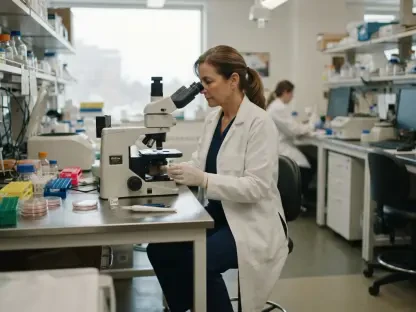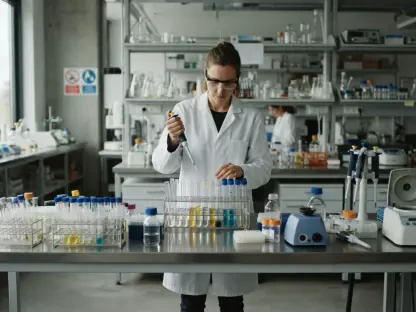

While dentistry students maintain high self-confidence after simulation sessions, medical and pharmacy students report lower levels of certainty despite rating the quality of instruction equally. This fascinating divergence underscores a growing challenge in health science education, where the effectiveness of pedagogical tools is often measured by student approval rather than psychological readiness. In a recent cross-sectional study involving 469 participants from diverse fields including physical therapy and nursing, researchers observed a striking consistency in how students value clinical simulation. The universal mean score of 4.65 on a five-point scale suggests that the infrastructure for high-fidelity training has reached a gold standard. However, the data reveals that satisfaction does not always translate to personal mastery. This gap highlights the need for educators to look beyond technical delivery and consider the specific psychological needs of trainees. By examining these nuances, institutions can better understand why the same instructional quality produces different outcomes across various health disciplines.
The Universal Appeal of Simulated Environments
Global Standards for Training Quality
The data collected from the five distinct health disciplines demonstrates that simulation-based learning has become an essential pillar of modern curricula. Regardless of whether a student was training for intricate dental procedures or complex pharmacological management, the perceived quality of the instruction remained remarkably high. This uniformity suggests that the core principles of simulation—debriefing, realism, and structured guidance—are being executed with high fidelity across the board. Statistical analysis confirmed that there were no significant differences in satisfaction levels between the groups, pointing to a successful standardization of teaching methodologies. This suggests that the current educational framework effectively meets the expectations of students who demand immersive learning experiences. Such a consensus allows institutions to confidently invest in simulation labs, knowing that the instructional value is recognized by a wide variety of learners.
Technological Advancements in Modern Classrooms
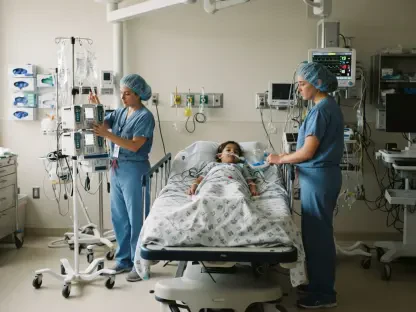
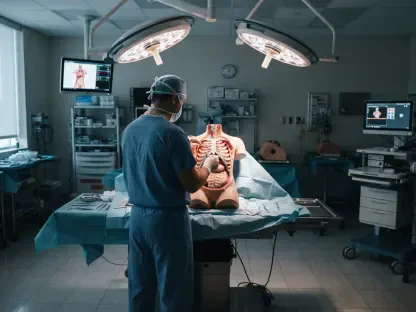
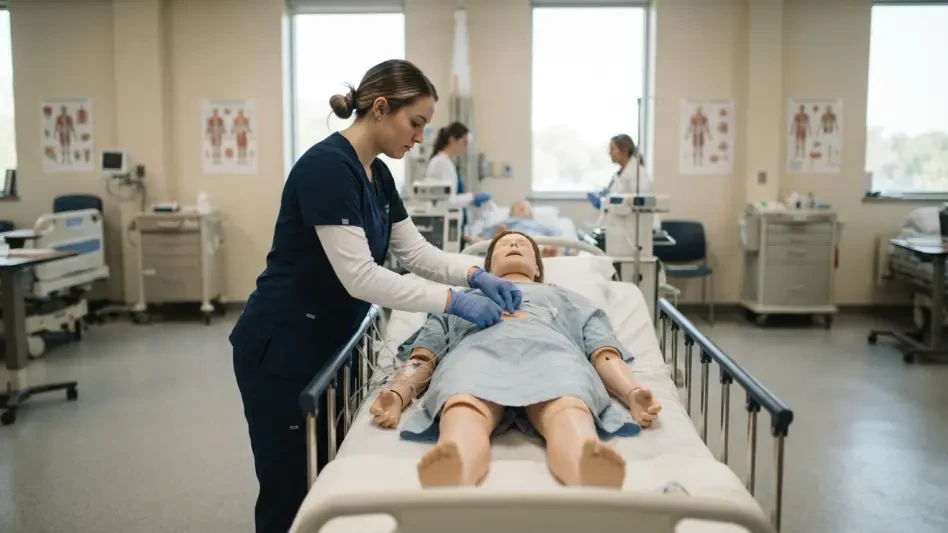
As we navigate through 2026, the integration of advanced haptic feedback and artificial intelligence into these simulations has further solidified their place in the healthcare sector. Students are no longer just practicing on static mannequins; they are engaging with dynamic systems that respond to their interventions in real time. This technological evolution explains why the satisfaction scores remain high even as the complexity of the medical field increases. For nursing and physical therapy students, these tools provide a safe harbor to refine their physical techniques without the immediate risks associated with live patient care. The consistency in these high ratings suggests that the current hardware and software used in health science labs are hitting the mark in terms of usability and relevance. By providing a controlled environment that mimics the pressures of a clinic, simulation serves as a bridge that connects theoretical knowledge with the practical demands of the professional world.
Divergent Paths in Student Confidence
The Self-Confidence Gap in Specialized Care
Despite the shared enthusiasm for simulation training, the study uncovered significant variances in how confident students felt about their ability to perform independently. Dentistry students emerged as the most self-assured group, reporting confidence levels that significantly outpaced their counterparts in medicine and pharmacy. This phenomenon persisted even after researchers adjusted for variables such as prior clinical experience and sociodemographic backgrounds, suggesting that the root cause lies within the specific academic structures of each discipline. It is possible that the early and frequent hands-on requirements of dental education create a different psychological profile for these learners. In contrast, medical and pharmacy students may face a more abstract or broader scope of practice during their initial simulation phases, leading to a lingering sense of uncertainty. This discrepancy is a critical finding because self-confidence is a strong predictor of performance during high-stress situations in real healthcare settings.
Refining Curricula for Future Resilience
To address these differences, educational leaders prioritized a transition from a one-size-fits-all simulation model to one that accounted for the unique pedagogical needs of each healthcare profession. The findings suggested that increasing early clinical exposure and integrating simulations more deeply into the long-term curriculum helped bridge the confidence gap seen in medical and pharmacy programs. Future efforts focused on designing discipline-specific scenarios that not only taught technical skills but also built the mental resilience required for autonomous practice. Institutional changes included more frequent low-stakes assessments that allowed students to fail and learn in a supportive environment, gradually ramping up the complexity as their self-assurance grew. By tailoring the intensity and frequency of these sessions, educators successfully moved toward a more equitable outcome where satisfaction and confidence were equally high. This targeted approach ensured that graduates entered the workforce with the required level of readiness.