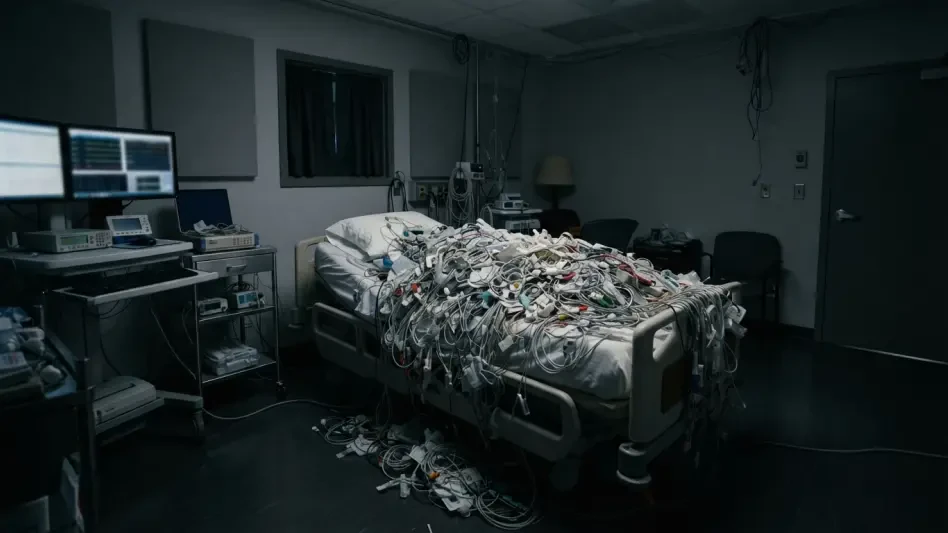

Physical audits at large medical centers indicate that 93 percent of the solid waste collected from in-lab sleep studies consists of single-use plastics. This alarming statistic, recently highlighted in a comprehensive study by researchers like Laura M. Donahue, exposes the massive environmental footprint of a medical specialty that has long operated under the radar of ecological scrutiny. While the American healthcare system as a whole contributes roughly five billion pounds of waste to landfills annually, the specific impact of sleep medicine has only now been meticulously quantified. The investigation revealed that a single urban academic sleep laboratory can produce nearly 1.8 tons of solid waste every year, primarily driven by the diagnostic requirements for obstructive sleep apnea. As clinical demand continues to surge in 2026, understanding these waste streams is no longer an optional academic exercise but a critical necessity for developing sustainable medical practices that balance high-quality patient care with environmental responsibility.
Quantifying the Scale of Diagnostic Trash
Methodology: Physical Audit Procedures
To establish a reliable baseline for waste production, the research team conducted an intensive physical audit over a three-night window at a major metropolitan academic medical center. This period was selected to capture a representative sample of standard clinical activities, encompassing a total of 24 in-lab studies. These procedures were not limited to simple diagnostic polysomnograms but also included more complex split-night studies and positive airway pressure titration sessions, which are essential for determining effective treatment settings for patients. By tracking every item utilized during these sessions, from the moment a technician prepared the room to the final cleanup after the patient’s departure, the researchers ensured that no category of refuse was overlooked. This detailed approach allowed the team to see how different levels of diagnostic complexity directly correlated with the volume of plastic and paper materials discarded.
The mechanics of the audit involved a strict protocol where waste was separated at the source and categorized by the specific type of study being performed. Technicians and researchers utilized a high-sensitivity scale, which allowed for measurements accurate to 0.01 grams, to weigh everything from used EEG leads to discarded patient toiletries. Every piece of packaging, every disposable sensor, and even the remnants of cleaning supplies were recorded and sorted by material type. This rigorous data collection was necessary to distinguish between high-value reusable equipment, such as the actual sleep monitoring machines and microphones, and the vast sea of disposables that accompany them. By documenting the physical weight of each component, the study provided the clinical community with the first concrete data set regarding the material costs of diagnostic sleep medicine in a modern urban healthcare environment.
Comparative Analysis: Home Testing versus Lab Environments
Beyond the walls of the clinical laboratory, the researchers also modeled the environmental impact of home sleep apnea tests, which have become increasingly popular for their convenience and lower overhead. The team analyzed a total of 76 home-based studies conducted during the same timeframe, comparing the waste profiles of 75 disposable WatchPAT devices against one reusable NOMAD kit. Each component of these home-testing systems, including the internal electronics, sensors, and adhesive materials, was weighed and cataloged. This comparison was vital for understanding whether the shift toward decentralized diagnostic models actually reduces the environmental burden or simply relocates it. While home tests are generally perceived as being more efficient, the study sought to determine if the high turnover of disposable electronic devices might present a different set of ecological challenges compared to the plastic-heavy in-lab alternatives.
The quantitative findings of the audit revealed a significant disparity in the waste generated by different diagnostic modalities. A standard in-lab diagnostic sleep study was found to produce an average of 381.3 grams of waste, whereas a positive airway pressure titration study—which requires additional tubing and masks—generated 752.6 grams per patient. In contrast, the disposable home-based tests produced approximately 152.18 grams of waste, while the reusable home kits were the most efficient, resulting in only 62.4 grams of solid refuse. These figures emphasize that while home testing is significantly less waste-intensive in terms of weight, the sheer volume of in-lab studies being performed nationwide means that the clinical environment remains the primary source of diagnostic trash. The dominance of plastic in these waste streams is particularly concerning, as it represents materials that are difficult to recycle effectively within a medical context.
Strategies for a More Sustainable Future
Modeling Reduction: The Impact of Reusable Equipment
The study provided a clear pathway for reducing the environmental impact of sleep medicine by modeling the potential effects of switching from single-use to reusable components. One of the most effective interventions identified was the transition to reusable water reservoirs for breathing machines. Currently, many labs discard these plastic tanks after every single patient to ensure sterility, but moving to a multi-use model with a monthly replacement cycle was projected to reduce waste in that specific category by 78.7 percent. Similarly, the replacement of disposable brainwave sensors with high-quality reusable EEG leads was shown to have an even greater impact, potentially cutting category-specific waste by 89.4 percent. These changes would not only decrease the physical weight of the trash being sent to landfills but would also reduce the demand for the raw materials required to manufacture these constant streams of disposable medical supplies.
When the researchers aggregated all the proposed interventions, the potential for improvement was remarkable. By implementing a suite of changes that included reusable sensors, bulk toiletry dispensers, and a shift toward reusable home-testing devices, the laboratory’s total annual waste production was estimated to drop by 60 percent. This comprehensive shift would effectively prevent approximately 685 kilograms of plastic and other solid materials from entering the waste stream every single year at just one facility. Scaling these results across the thousands of sleep centers currently operating in the United States suggests that a significant portion of the healthcare sector’s plastic crisis could be mitigated through relatively straightforward changes in equipment procurement and sterilization protocols. Such a reduction is essential for clinics looking to align their operations with modern sustainability goals and the growing expectations for corporate responsibility.
Broader Implications: Public Health and Ecological Costs
The environmental consequences of medical waste are not limited to the physical space occupied in landfills; they also carry a measurable carbon cost. The researchers calculated that the 1,736 kilograms of waste produced annually by the audited lab resulted in the emission of 50.3 kilograms of carbon dioxide equivalents. While this figure might seem modest when viewed in isolation, it represents the emissions of a standard gasoline-powered vehicle traveling 128 miles. When multiplied by the sheer number of diagnostic tests conducted globally, the cumulative carbon footprint of sleep medicine becomes a significant contributor to the healthcare industry’s total greenhouse gas emissions. This realization is prompting many clinicians to rethink the diagnostic process, recognizing that the health of the individual patient is inextricably linked to the broader health of the global environment and the stability of the climate.
Furthermore, the overwhelming prevalence of plastic in these waste streams raises serious concerns about the long-term impact of microplastics on human health and local ecosystems. As these single-use items break down in landfills, they release microscopic particles that can enter the water supply and the food chain, potentially leading to endocrine disruption and other health complications. By reducing the reliance on plastic-heavy diagnostics, healthcare providers can mitigate the indirect harm they may be causing to the very populations they serve. The audit highlights that the current model of sleep medicine, while highly effective at diagnosing sleep disorders, inadvertently contributes to environmental hazards that could undermine public health in the long term. This paradox is driving a new wave of interest in “green” diagnostics, where the environmental safety of a procedure is considered alongside its clinical efficacy.
Overcoming Barriers: Clinical and Logistical Implementation
Despite the clear benefits of transitioning to reusable equipment, several logistical and clinical hurdles must be addressed before such changes can be widely implemented. The primary concern is maintaining the highest standards of sterilization to prevent cross-contamination between patients, which requires a robust infrastructure for cleaning and verifying the safety of reusable sensors and masks. Additionally, some clinicians worry that reusable EEG leads may suffer from degradation over time, potentially compromising the quality of the brainwave signals that are essential for accurate diagnosis. There is also the issue of electronic waste; while home-based tests are lighter, they often contain batteries and sophisticated sensors that require specialized disposal methods. Future progress in the field will likely depend on a more holistic lifecycle analysis that accounts for the energy and water used in sterilization.
The research successfully demonstrated that sleep medicine has a significant opportunity to lead the way in healthcare sustainability. By establishing a clear baseline of waste production, the audit provided clinicians with the necessary data to justify investments in reusable technologies and more efficient diagnostic protocols. In the months following the study, many facilities began evaluating the feasibility of phasing out single-use plastics in favor of high-durability sensors and bulk supply systems. These efforts proved that a 60 percent reduction in solid waste was not only a theoretical possibility but a practical target for forward-thinking laboratories. As the industry looked toward the future, the integration of ecological considerations into clinical guidelines became a priority. The path forward involved a collaborative effort between manufacturers and medical professionals to ensure that the process of improving sleep does not come at the expense of the planet.