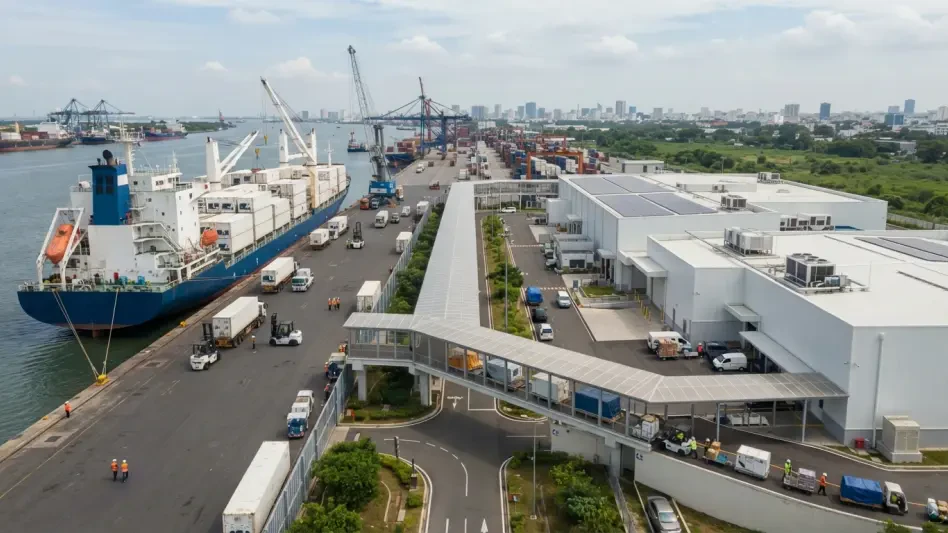

Logistical flexibility provided by trade zones ensures that temperature-sensitive medicines remain under strict quality-release protocols during storage. In the high-stakes world of pharmaceutical manufacturing, the timing of market entry often dictates the success of a life-saving therapy. Companies frequently face the dilemma of when to commit inventory to the United States market, weighing the risks of local demand spikes against the heavy financial burden of immediate customs duties. Foreign-Trade Zones (FTZs) function as a strategic buffer, allowing firms to move goods physically into the country without legally entering the commerce stream. This decoupling of physical presence from financial liability provides a crucial advantage in managing the complex global supply chains that define the industry today. By utilizing these specialized zones, manufacturers can navigate the intricate balance between maintaining high inventory levels for patient safety and optimizing cash flow in a landscape marked by regulatory shifts and logistics bottlenecks.
Financial Advantages and Operational Mechanics
An FTZ is a restricted-access site located near a U.S. Customs and Border Protection port of entry, yet it is legally considered to be outside the customs territory of the United States. This designation allows for a “neutral zone” environment where both foreign and domestic merchandise can be stored, handled, and processed without triggering the immediate payment of taxes. The most significant financial lever within this framework is duty deferral. Under standard protocols, imported medicines incur substantial fees the moment they cross the border. However, within an FTZ, these duties are only payable when the product is officially withdrawn for domestic consumption. For global pharmaceutical companies, this means they can maintain massive stockpiles of critical drugs on American soil while delaying tax liabilities until the point of sale. Such a system effectively turns the warehouse into a financial tool that enhances liquid capital management during periods of expansion.
Beyond the benefits of deferral, the FTZ framework offers a pathway for avoiding duties entirely through re-exportation. If a pharmaceutical company determines that a specific batch of medicine is better suited for an international market rather than the United States, it can ship the goods directly from the zone to an overseas destination. Because the product never technically entered U.S. commerce, the firm is exempt from the import duties it would have otherwise faced. This flexibility is particularly valuable for organizations that use the U.S. as a central distribution hub for the Americas. By centralizing inventory in a single high-security, duty-free location, supply chain managers can respond to global health crises or market fluctuations with unprecedented speed. The ability to pivot inventory between domestic and international channels without financial penalty ensures that capital is not tied up in unnecessary taxes, allowing for greater reinvestment in research and development initiatives.
Strategic Positioning and Regulatory Navigation
The concept of “Earlier U.S. Arrival” has become a cornerstone of modern pharmaceutical logistics, acting as a vital hedge against the unpredictability of international transport. Traditionally, the transit phase is the most volatile segment of the supply chain, often subject to weather delays, labor disputes, or congestion at major maritime ports. By positioning inventory within a domestic FTZ well before it is needed, companies effectively eliminate the transit risk from their immediate delivery timeline. This proactive approach ensures that when a seasonal flu outbreak occurs or a sudden spike in demand for a chronic care medication arises, the product is already staged and ready for final distribution. Waiting for a shipment to clear customs during a crisis creates unacceptable bottlenecks that can jeopardize patient health. Instead, the FTZ model allows the “heavy lifting” of international shipping to be completed during calmer periods, ensuring that the final mile of delivery is the only remaining step.
Regulatory timelines often present a significant challenge for pharmaceutical product launches, where every day of delay impacts both revenue and patient access. FTZs provide a solution to this uncertainty by allowing manufacturers to stockpile new therapies while they are still awaiting Food and Drug Administration (FDA) approval. A prominent example of this strategy was seen during the rollout of COVID-19 vaccines and therapeutics. Manufacturers utilized these zones to hold vast quantities of medicine in a high-security environment while the final authorization processes were completed. Once the FDA granted Emergency Use Authorization, the distribution process began almost instantly because the inventory was already physically located within the United States. This method bypasses the standard several-day transit time required for international air or sea freight, providing a competitive edge during critical public health windows and ensuring that life-saving treatments reach clinics without delay.
Specialized Infrastructure and Future Resilience
Effective pharmaceutical storage requires more than just a legal designation; it demands specialized physical infrastructure that can maintain the integrity of sensitive products. Many modern medicines, particularly biologics and vaccines, are temperature-sensitive and require a continuous cold chain to remain viable. Facilities like the one at Frontier Scientific Solutions in Wilmington, North Carolina, have successfully integrated FTZ status with advanced climate-control technology. This combination allows for the seamless handling of products that require documented environmental monitoring and strict quality-release protocols under a single regulatory umbrella. By housing these services within an FTZ, the facility provides a comprehensive solution where the logistical, financial, and clinical aspects of storage are managed concurrently. This integrated approach reduces the number of hand-offs in the supply chain, thereby lowering the risk of temperature excursions and ensuring that the medicine remains safe.
The adoption of Foreign-Trade Zones established a vital layer of protection against the volatile nature of global commerce and geopolitical disruptions. By maintaining strategic reserves within these zones, organizations successfully reduced their dependence on “just-in-time” replenishment models that were prone to failure during port strikes or shipping lane closures. Because the financial burden of carrying this safety stock was lowered through duty deferral, the cost of resilience became manageable for firms of all sizes. Industry leaders recommended that pharmaceutical companies conduct a thorough audit of their current import volumes and duty expenditures to identify potential FTZ integration points. Moving forward, the integration of digital tracking and real-time environmental monitoring within these zones provided the next logical step in securing the supply chain. Stakeholders focused on developing closer partnerships with customs authorities to further streamline the release of critical therapies during future health emergencies.