
The traditional concept of natural beauty is undergoing a profound transformation as the industry shifts away from simple botanical extracts toward sophisticated biotechnological processes. For decades, the “natural” label served as a shorthand for safety and environmental consciousness, yet this reliance on traditional agriculture has increasingly revealed its inherent limitations in a world facing significant ecological shifts. Today, the focus is moving toward bio-manufacturing, where ingredients are designed at the molecular level to ensure purity, potency, and a minimal environmental footprint. This evolution is driven by a consumer base that no longer accepts the trade-off between efficacy and sustainability, demanding products that perform as well as synthetic counterparts without the associated ecological cost. By utilizing advanced techniques such as precision fermentation and cellular agriculture, the beauty sector is effectively decoupling production from the unpredictability of the natural world. This transition marks the end of the era of “greenwashing” and the beginning of a period defined by scientific rigor and resource efficiency, where the laboratory serves as a more reliable and sustainable source of raw materials than the open field.
The Fragility of Modern Agricultural Networks
The increasing volatility of global weather patterns has placed a tremendous strain on the traditional supply chains that the personal care industry once took for granted. As 2026 progresses, the impact of erratic rainfall and soil depletion has made it nearly impossible for brands to rely solely on seasonal harvests for high-demand ingredients like rose oil, vanilla, or specialized botanical pigments. When a single extreme weather event can wipe out an entire year’s crop in a specific region, the resulting price spikes and supply shortages create a ripple effect that destabilizes global manufacturing. This inherent instability has forced many industry leaders to acknowledge that traditional farming is no longer the most sustainable or secure method for sourcing high-performance cosmetic ingredients. Furthermore, the land-intensive nature of conventional agriculture often competes with food production and biodiversity conservation, creating an ethical dilemma for brands that market themselves as environmentally friendly while contributing to land-use pressure.
Beyond the physical limitations of the land, new regulatory frameworks are requiring a level of traceability that traditional agricultural methods struggle to provide. Stringent laws regarding deforestation and the protection of native ecosystems mean that companies must now document every step of their supply chain with absolute precision. For ingredients sourced from thousands of small-holder farms across different continents, this level of transparency is incredibly difficult to maintain and verify. In contrast, bio-manufactured ingredients offer a streamlined supply chain that is inherently traceable because the entire production process occurs within a controlled environment. By shifting away from fragmented agricultural sources and toward centralized, high-tech production facilities, the industry is not only mitigating the risks associated with climate change but also ensuring that they remain in compliance with an increasingly complex global regulatory landscape. This strategic shift is less about replacing nature and more about protecting it by reducing the human footprint on wild and cultivated landscapes.
Implementation of Precision Bio-manufacturing Platforms
The most significant technological leap in this field involves the use of precision fermentation to create nature-identical molecules that are often superior to their farm-grown counterparts. In this process, microorganisms like yeast or bacteria are programmed to produce specific lipids, proteins, or antioxidants that are functionally identical to those found in plants or animals. For instance, biosynthetic squalane, which was historically sourced from shark liver and later from olives, is now frequently produced through the fermentation of sugarcane. This method ensures a consistent, high-purity product that is free from the pesticides, heavy metals, and seasonal variations that often plague botanical extracts. Because these vats can operate continuously regardless of the weather outside, manufacturers can maintain a steady output of essential ingredients, allowing for more predictable production cycles and a more stable price point for the end consumer.
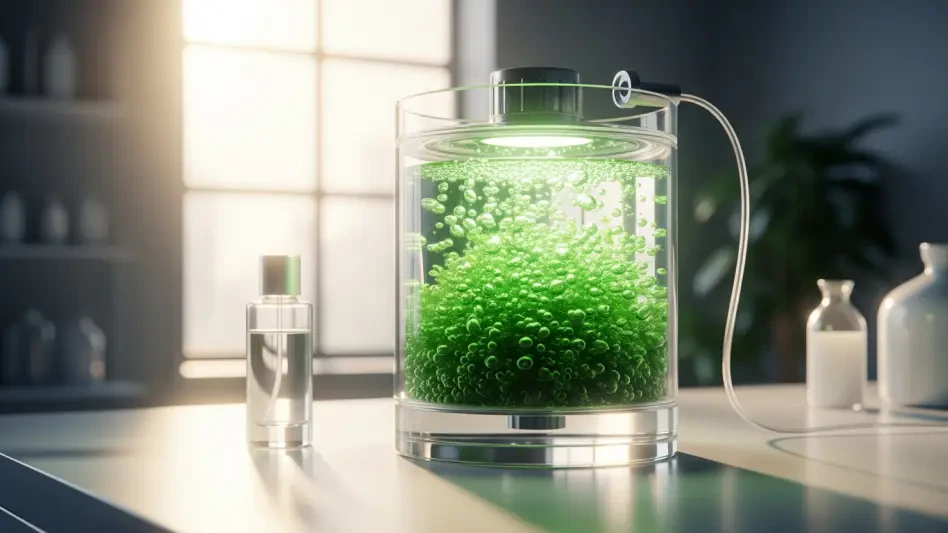
Moreover, the integration of microalgae and photobioreactors has opened new doors for creating ingredients that actively benefit the environment during their production phase. These systems use light and carbon dioxide to grow nutrient-dense biomass, effectively turning the manufacturing process into a form of carbon sequestration. The resulting extracts are rich in unique skin-repairing compounds and bio-polymers that can replace synthetic thickeners and microplastics in formulations. Unlike traditional chemical synthesis, which often relies on petroleum-based feedstocks, these biological platforms use renewable resources to create complex molecules that were previously difficult to manufacture at scale. This ability to “grow” functional ingredients in a lab setting not only ensures a high level of safety and efficacy but also provides a compelling narrative for consumers who are looking for products that contribute positively to the planet’s health. The precision offered by these platforms allows formulators to customize the properties of an ingredient, such as its molecular weight or solubility, to create textures and results that were previously impossible with raw agricultural materials.
Transparency through Verifiable Scientific Data
The transition to biotechnology is also fundamentally changing how brands communicate with their customers, moving from vague marketing claims to data-driven transparency. In the past, the term “natural” was often used to mask a lack of scientific evidence, but the new generation of bio-designed products is built on a foundation of rigorous testing and lifecycle analysis. Brands are now able to provide specific data on the environmental impact of their ingredients, including exact water usage, land-use savings, and carbon emissions avoided by choosing fermentation over traditional farming. This level of detail allows consumers to make informed decisions based on facts rather than emotions, fostering a deeper sense of trust between the brand and the buyer. By providing full visibility into the molecular origin of a product, companies are setting a new standard for honesty in the beauty industry, where the “clean” label is earned through measurable performance and ethical integrity rather than just being a decorative sticker on the box.
This shift toward scientific substantiation is also reflected in the way products are formulated for specific skin concerns. Because bio-manufactured ingredients are highly concentrated and free from the impurities often found in bulk botanical extracts, they are less likely to cause irritation or allergic reactions. This makes them ideal for the growing market of consumers with sensitive skin who still want the benefits of potent active ingredients. Laboratory-grown collagen and silk proteins, for example, offer a consistent molecular structure that ensures maximum absorption and efficacy, providing visible results that traditional plant-based alternatives often fail to deliver. As brands continue to invest in clinical studies and third-party certifications for their bio-based ingredients, the industry is moving toward a future where “natural” and “high-tech” are no longer seen as opposing forces but as complementary parts of a superior product experience. This evidence-based approach is dismantling the skepticism that once surrounded lab-grown ingredients, proving that technology can be the ultimate tool for achieving true sustainability.
Strategic Transition toward Sustainable Resource Management
To ensure the long-term viability of the personal care market, companies must adopt a strategic approach that balances innovation with economic scalability. While the initial investment in bioreactors and genetic sequencing can be significant, the long-term cost savings associated with consistent supply and reduced waste are becoming increasingly clear. The industry is currently moving toward a hybrid model where biotechnology is used to stabilize the supply of the most volatile or ecologically sensitive ingredients, while traditional agriculture is preserved for crops that can be grown sustainably at scale. This balanced ecosystem ensures that the beauty industry can continue to grow without exceeding the earth’s carrying capacity, providing a blueprint for other consumer-facing sectors to follow. The integration of these technologies is not a temporary trend but a necessary adaptation to a world where resources are finite and environmental responsibility is a prerequisite for market entry.
The industry effectively transformed its relationship with the planet by prioritizing molecular innovation over raw extraction. Companies that invested in these bio-manufacturing platforms early managed to secure their supply chains against the disruptions that defined the mid-decade period. These pioneers proved that it was possible to create luxury products that were both highly effective and radically sustainable, setting a new benchmark for the entire personal care sector. By shifting the focus from what can be taken from the earth to what can be built in collaboration with biological systems, the beauty industry provided a clear path forward for responsible consumption. The lessons learned during this transition demonstrated that the most effective way to protect the natural world was to utilize the power of science to replicate its best features. This period of rapid advancement ultimately shifted the consumer expectation from simple botanical purity to a more holistic understanding of biological integrity and technological transparency.