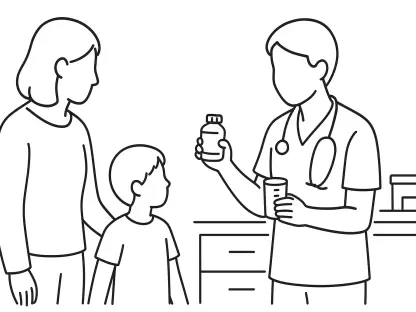

The modern healthcare landscape depends on a specialized workforce capable of bridging the gap between high-level clinical diagnostics and the complex administrative logistics of patient management. As outpatient facilities and physician offices become the primary hubs for preventative care, the demand for versatile professionals has reached an all-time high. Medical assistants are no longer viewed as peripheral support but as essential operatives who ensure the operational flow of medical practices.
These professionals manage the delicate balance of electronic health record integrity while providing direct patient support. Moreover, the transition toward value-based care models requires assistants who can facilitate better health outcomes through precise data entry and empathetic patient interaction. This evolution reflects a broader trend where technical proficiency and soft skills must coexist to meet the rigorous standards of current medical regulations.
The Evolving Role of Medical Assistants in Modern Healthcare
Medical assistants function as the primary conduit between the provider and the patient, handling everything from initial intake to complex laboratory procedures. Their integration into the clinical team allows physicians to focus on diagnosis while the assistant manages the logistical hurdles of the visit. This dual responsibility requires a sophisticated understanding of both medical terminology and office management.
The rise of digital healthcare platforms has further expanded this role, requiring assistants to be fluent in patient portal management and telehealth coordination. As healthcare delivery becomes more data-driven, the accuracy of the medical assistant becomes a critical factor in patient safety. Consequently, the quality of their initial training determines the overall efficiency of the healthcare facility they serve.
Navigating the Shifting Sands of Allied Health Education
Emerging Trends and the Rise of Specialized Competencies
Education in the allied health sector is moving rapidly toward immersive, simulation-based learning environments that replicate real-world clinical stressors. Mohave College has adapted its curriculum to prioritize hands-on experience, ensuring that students are comfortable with the advanced diagnostic equipment used in specialized clinics. This shift prepares graduates for the immediate realities of a fast-paced medical environment.
Furthermore, digital literacy has become a cornerstone of modern healthcare training. Programs now integrate telehealth protocols and electronic billing systems into the core coursework to align with regional workforce needs. By focusing on these specialized competencies, educational institutions ensure that their graduates are not just entry-level employees but highly skilled assets to any medical team.
Economic Growth and Regional Workforce Projections
The economic footprint of Mohave College is substantial, contributing an estimated $199 million annually to the regional economy and supporting over 3,000 jobs. This financial stability is bolstered by the college’s ability to produce certified professionals who fill critical vacancies in local hospitals and clinics. By maintaining a steady pipeline of talent, the institution directly impacts the community’s overall health and prosperity.
Data suggests a sustained demand for certified medical assistants through the coming years, driven by an aging population and the expansion of outpatient services. When graduates remain within the county, they create a cycle of local investment that improves community health outcomes. This correlation between specialized education and economic resilience highlights the vital role of local training programs.
Overcoming Barriers to Quality Healthcare Training
Rural and underserved areas often struggle with a skills gap that can compromise the quality of local healthcare services. Mohave College addresses this challenge by adhering to rigorous peer reviews and achieving zero-deficiency benchmarks in its evaluations. Such high standards prevent the dilution of clinical quality, ensuring that students in smaller communities receive training equal to that of major metropolitan centers.
Maintaining these standards requires a commitment to the MAERB evaluation framework, which identifies and mitigates the risks of subpar training. By focusing on affordable yet excellent clinical pathways, the college removes financial barriers for students without sacrificing the depth of their education. This balance is essential for cultivating a diverse and capable workforce that can meet modern challenges.
The Rigorous Standards of National Accreditation and Compliance
National accreditation through the Commission on Accreditation of Allied Health Education Programs (CAAHEP) is widely recognized as the gold standard in the industry. This designation serves as a guarantee that a program has undergone an exhaustive review of its facilities, curriculum, and faculty. For students, this means their education is verified by the highest authorities in the field.
Achieving this status is a prerequisite for graduates to sit for national certification exams, which are mandatory for employment in many high-level healthcare systems. The involvement of the Medical Assisting Education Review Board (MAERB) ensures that every aspect of the program remains in compliance with national benchmarks. This accountability fosters a culture of continuous improvement and institutional integrity.
Future-Proofing the Healthcare Workforce Through Strategic Alignment
Planning for the next comprehensive evaluation cycle in 2031 provides a long-term framework for educational excellence. This strategic alignment allows the college to anticipate market disruptors, such as new patient care protocols or shifting insurance regulations, and integrate them into the curriculum ahead of time. Faculty members play a crucial role in this adaptation by staying current with industry trends.
By creating pathways into high-growth healthcare careers, the institution ensures that its graduates are prepared for the jobs of tomorrow. This forward-thinking approach minimizes the risk of workforce obsolescence and keeps the local healthcare sector competitive. Strategic planning ensures that the college remains a pillar of the community regardless of changes in the broader medical industry.
Strengthening the Pipeline for Excellence in Local Healthcare
The synergy between accredited education and community prosperity created a foundation for long-term regional success. Leaders in the health division validated that the zero-deficiency status of the program served as a benchmark for other regional training initiatives. This commitment to perfection allowed the college to bridge the gap between classroom theory and the demanding realities of a modern clinical setting.
Looking ahead, the focus shifted toward expanding these accredited pathways to include more interdisciplinary health sciences. Prospective students were encouraged to recognize that national accreditation was the only reliable bridge to career stability in an increasingly competitive market. By prioritizing these high standards, the institution secured its role as a primary driver of both public health and local economic development.