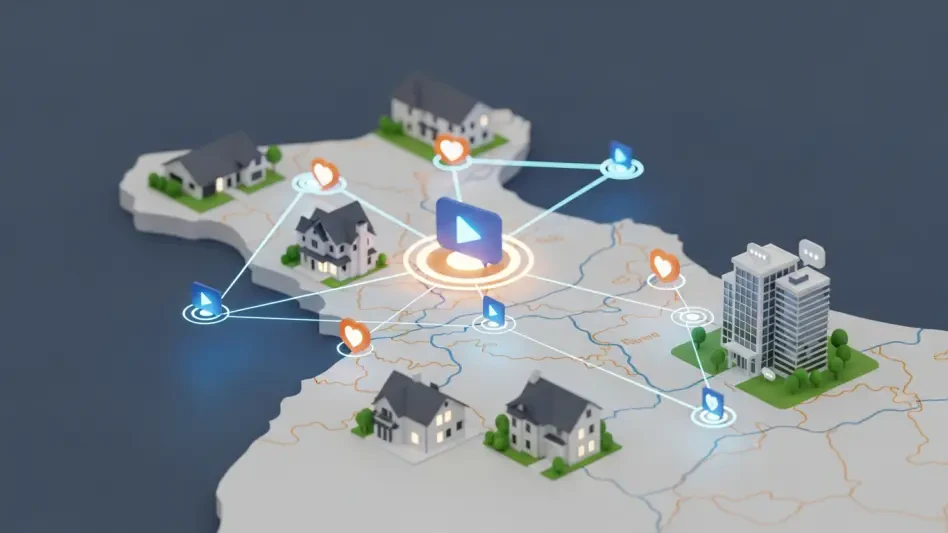

The traditional image of mental health support—stark white walls, clinical clipboards, and heavy diagnostic manuals—is rapidly being replaced in rural Minnesota by the glowing screens of smartphones and the relatable faces of community advocates. In Alexandria, a grassroots movement led by the Vikingland Community Support Program is demonstrating that the most effective way to reach individuals in distress is not through institutional formality but through the accessible, often messy medium of digital storytelling. By swapping dense psychiatric jargon for the familiar cadence of social media, the program has successfully deconstructed the barriers that frequently prevent people from seeking help until a crisis has already peaked. This transformation reflects a broader shift in behavioral health, where the emphasis is moving away from the confines of the therapist’s office and into the everyday digital environments where people naturally congregate and share their lives. The initiative recognizes that for many, the hurdle is not the lack of available services but the intimidating aura that surrounds them, making the simple act of starting a conversation feel like an insurmountable task. By meeting residents where they already spend their time, the program has effectively normalized the concept of wellness as a shared, public dialogue rather than a private medical secret.
Redefining the Mental Health Conversation
Shifting Focus: Clinical Labels Versus Life Experiences
Professional diagnostic language often creates a psychological distance that can feel alienating to the average person who is simply trying to navigate a difficult week. Instead of leading with complex medical terminology, Becky Schmitz and her team prioritize a peer-to-peer dialogue that centers on what they call “life problems.” This semantic shift is crucial because it validates the everyday stressors—financial strain, relationship hurdles, or professional burnout—that everyone experiences, rather than making the individual feel as though they possess a permanent internal flaw. By framing mental health as a spectrum of experiences that fluctuate based on circumstances, the program encourages community members to engage with support services as a preventative measure. This proactive stance helps individuals work through situational challenges before they have the opportunity to spiral into more severe or long-term psychiatric crises that would require more intensive and costly medical intervention.
Building on this philosophy, the program works to communicate that a mental health diagnosis should never be the defining characteristic of a person’s entire identity or potential. Schmitz frequently employs a comparison to chronic physical conditions, such as diabetes, to illustrate that while a specific health challenge may require consistent management and lifestyle adjustments, it does not represent the totality of the person’s being. This perspective is instrumental in helping individuals see themselves as complex human beings who happen to be navigating periods of depression or anxiety, rather than seeing themselves through the limited lens of their struggles. By systematically stripping away the shame and secrecy traditionally associated with these diagnostic labels, the initiative empowers members of the Alexandria community to take active ownership of their emotional well-being. This sense of agency is vital for long-term recovery, as it transforms the patient from a passive recipient of medical care into an informed advocate for their own health and stability.
Humanizing the Process: Identity Beyond Diagnostic Conditions
The transition to a more human-centric model has allowed the program to address the root causes of stigma by humanizing the actual experience of living with mental health challenges. When advocates speak openly about “survival mode” or the exhaustion of managing daily responsibilities, they provide a mirror for community members who may have previously felt isolated in their struggles. This relatability is a powerful antidote to the clinical detachment that often permeates traditional healthcare settings, where patients can feel like a set of symptoms rather than a whole person. By centering the conversation on the lived experience rather than the diagnostic code, the program creates a space where vulnerability is viewed as a strength and a necessary step toward healing. This environment fosters a sense of belonging, which is often the most significant factor in whether an individual continues to engage with their support network over the long term.
Furthermore, this approach recognizes that mental wellness is not a binary state of being either “sick” or “healthy,” but a dynamic process that requires ongoing attention and community support. The program emphasizes that everyone has mental health, just as everyone has physical health, and that seeking help should be as unremarkable as visiting a doctor for a routine check-up. By integrating these conversations into the public sphere through digital content, the initiative ensures that the language of wellness is accessible to all, regardless of their previous exposure to psychological concepts. This democratization of mental health knowledge is essential for building a resilient community where individuals are equipped to support one another. As people become more comfortable discussing their internal states, the culture of silence begins to dissolve, paving the way for a more compassionate and informed society that prioritizes the holistic well-being of all its members.
The Evolution of a Digital Outreach Strategy
Transitioning from Crisis: Proactive Education through Digital Media
The rapid adoption of video-based outreach was originally accelerated by a period of profound social isolation, forcing support systems to find creative ways to bridge the gap between their services and the homes of their clients. Looking forward from 2026 and into the next several years, the Vikingland Community Support Program continues to refine its digital strategy to ensure that maintaining a “familiar face” remains a priority for preventing a sense of abandonment among those they serve. What began as a temporary measure to provide basic check-ins has since evolved into a highly structured and sophisticated regional outreach strategy. By utilizing platforms that people already use for leisure and connection, the program ensures that mental health resources are integrated into the daily flow of information. This constant presence helps to demystify the work of community support, making it feel like a standard and healthy part of a connected society rather than an emergency resource hidden behind closed doors.
Building on this digital foundation, the program has formalized its educational offerings into a trademarked framework known as the “Mental Health Toolbox.” This resource is designed to provide individuals with practical, tangible emotional skills that function much like physical tools in a home repair kit. By teaching community members how to use a conceptual “hammer” or “screwdriver” to address specific life stressors, the initiative gives people the autonomy to manage their emotions in real-time. This shift from purely supportive listening to active skill-building represents a significant advancement in community health models. It moves the focus from reacting to symptoms toward building a resilient foundation that can withstand the inevitable pressures of modern life. As this framework continues to gain traction, it provides a replicable model for other rural districts looking to modernize their outreach and provide their residents with a lasting sense of self-efficacy.
Expanding Regional Impact: Reaching New Midwestern Audiences
The success of this localized video initiative has allowed the program to expand its influence far beyond the borders of Alexandria, reaching into wider regions of Minnesota, Wisconsin, and North Dakota. Becky Schmitz now frequently shares the core concepts of her trademarked framework through public speaking engagements and contributions to influential mental health publications across the Upper Midwest. This expansion demonstrates that the challenges of mental health stigma and service accessibility are not unique to one small town but are systemic issues that resonate with a broad demographic of rural and suburban residents. By positioning a local drop-in center as a regional leader in digital advocacy, the program proves that technology can be a powerful equalizer in areas where clinical resources may be sparse or geographically distant. The transition from a local service provider to a regional thought leader highlights the scalability of digital-first community support strategies that prioritize connection over infrastructure.
Continuing this momentum from 2026 through the next decade, the initiative aims to refine how digital tools can facilitate even deeper community integration and peer support networks. The role of digital storytelling in modern advocacy is not just about broadcasting information but about creating a shared digital space where diverse experiences are recognized and validated. By leveraging data and community feedback, the program can tailor its content to address emerging trends in mental wellness, ensuring that the resources remain relevant as societal stressors evolve. This dynamic approach to community health allows for a more responsive and agile support system that can adapt to the needs of the population in real-time. The emphasis on digital outreach also serves as a critical bridge for younger generations who are naturally more comfortable communicating through video and social platforms. This strategy ensures that the next generation of community members sees mental wellness as an accessible and normal part of their digital and physical lives.
Cultivating Trust Through Authenticity and Humor
Lowering Barriers: The Power of Relatability and Vulnerability
The genuine effectiveness of these videos is rooted in their raw authenticity and the strategic use of humor to navigate what are often perceived as heavy or frightening topics. By embracing a “silly” or highly animated persona in their digital content, Schmitz and her colleague Carmen Hudson work to dismantle the intimidating walls that often surround professional mental health services. For many individuals, the prospect of walking into a support center for the first time is accompanied by significant apprehension and a fear of being judged or misunderstood. However, seeing the staff engage in lighthearted, human behavior online significantly lowers this barrier to entry, making the professionals feel like “real people” rather than distant authority figures. When community members eventually decide to visit the physical center, they often report feeling as though they already have a relationship with the staff, which reduces the acute anxiety associated with seeking help.
The use of humor also serves as a psychological lubricant, making it easier for viewers to digest complex concepts related to emotional regulation and coping mechanisms. Instead of delivering a dry lecture on the physiological responses to stress, the videos might use comedic sketches or relatable anecdotes to explain how the brain functions under pressure. This approach makes the information more memorable and significantly less threatening, encouraging viewers to share the content with friends and family members. By normalizing the discussion of mental health through laughter and shared experience, the program effectively counters the historical narrative that emotional struggles must be handled with extreme gravity and silence. This shift in tone does not diminish the seriousness of the issues at hand; rather, it makes the solutions seem more attainable and the support system more approachable. The result is a community culture where talking about one’s mental state becomes as unremarkable as discussing the weather.
Modeling Wellness: The Soapbox Approach to Connection
A cornerstone of the program’s content creation philosophy is a deliberately organic process often referred to as the “soapbox” approach. This method involves Schmitz recording her thoughts in real-time while she is walking or reflecting on her own personal daily challenges, providing an unvarnished look at the mental health journey. By being transparent about her own experiences with feeling overwhelmed or slipping into “survival mode,” she effectively humanizes the role of the mental health professional. This models a healthy form of vulnerability, proving that even those who are trained to help others face the same daily hurdles and emotional fluctuations as everyone else. This level of transparency is rare in traditional clinical settings, where a strict boundary is usually maintained between the personal lives of the staff and the experiences of the clients. By breaking this fourth wall, the initiative reinforces the idea that wellness is not a destination but a shared human journey requiring mutual support.
This modeling of vulnerability serves as a direct invitation for community members to embrace their own flaws and setbacks without the burden of perfectionism. When people see a community leader openly discussing the need to recalibrate their own skills after a difficult day, it provides a powerful validation of their own internal struggles. This creates a ripple effect of authenticity throughout the community, as individuals feel more comfortable being honest with themselves and others about their mental state. The soapbox approach also allows for a more immediate response to local events or shared stressors, ensuring the content is always timely and relevant to the audience’s current needs. By treating social media as a dynamic community bridge rather than a static information board, the Vikingland Community Support Program has cultivated a space where everyone feels safe being their authentic selves. This atmosphere of trust is the foundation upon which lasting behavioral change and community resilience are built, turning a daunting subject into an empowering conversation.
Strategic Next Steps for Integrated Community Wellness
The initiative in Alexandria ultimately provided a scalable blueprint for how digital tools and radical authenticity could reshape community behavioral health. By moving the conversation from clinical offices to smartphone screens, the program successfully dismantled the barriers of stigma and replaced them with a practical, accessible framework for emotional resilience. Organizations seeking to replicate this success should consider shifting their focus from formal diagnostic language toward relatable, peer-to-peer education that emphasizes the shared nature of the human experience. As digital outreach continued to evolve from 2026 onward, the integration of humor and personal transparency remained essential for building the trust necessary for deep community engagement. The transition to this more human-centric model proved that when mental health was presented as a normal part of life’s “toolbox,” individuals became significantly more likely to engage with support systems before a crisis occurred. Future efforts in this field should continue to prioritize the development of tangible skills that empower people to navigate their daily lives with confidence and a sense of collective belonging within their local regions.