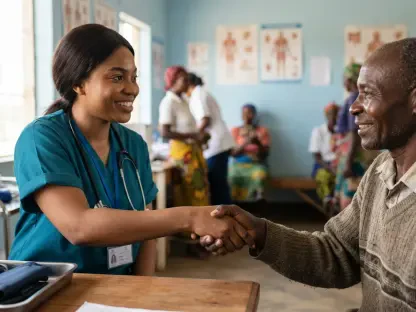

Mississippi County currently relies on only eight full-time family medicine physicians to serve an entire region that is experiencing rapid industrial growth and expansion. This critical shortage has prompted a landmark philanthropic investment aimed at fortifying the medical landscape of the Arkansas Delta. The New York Institute of Technology College of Osteopathic Medicine at Arkansas State University recently secured a $1.25 million donation from Ted and Cheryl Huffman, marking the largest private contribution since the institution first opened its doors. This funding is specifically designated to catalyze the establishment of a family medicine residency program based at the Great River Medical Center in Blytheville. By addressing the scarcity of primary care providers through localized training, the initiative seeks to foster a sustainable healthcare environment. The project recognizes that medical residents are statistically more likely to establish long-term practices in the communities where they complete their clinical education.
Transforming Infrastructure: The Role of Modern Clinical Design
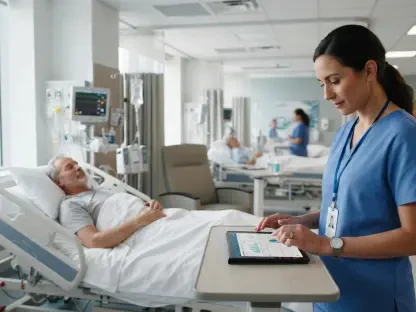
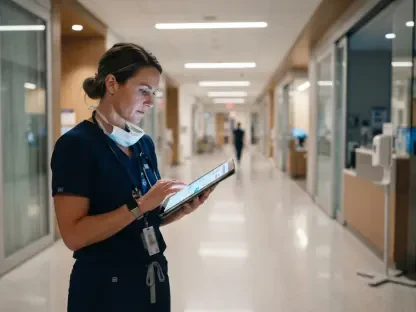
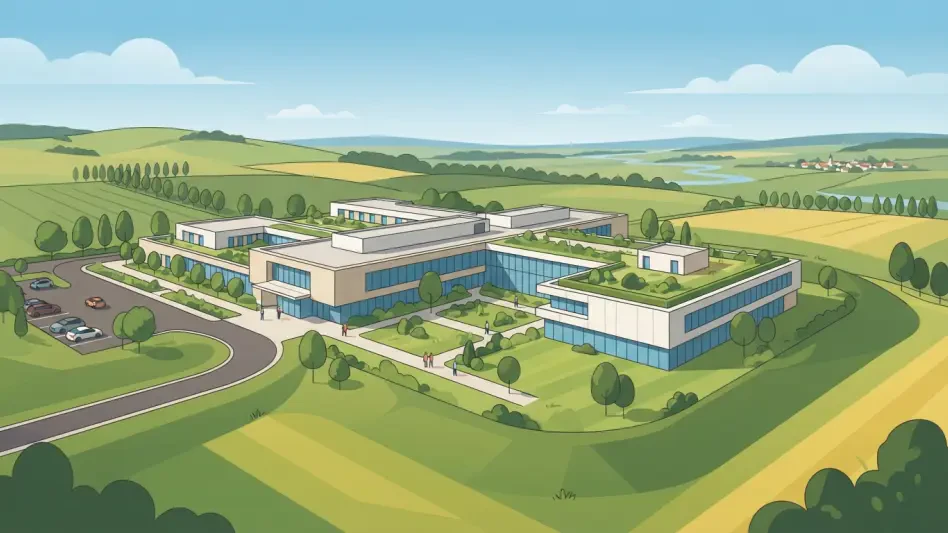
A substantial portion of the Huffman gift is being utilized to facilitate the physical renovation of existing clinic space at the Great River Medical Center. This facility, which began its operational journey in 2025, now operates as the Cheryl and Teddy Huffman Family Medicine Residency Clinic. The transformation of this space into a state-of-the-art medical education hub allows residents to balance rigorous academic requirements with direct patient interaction in a community that has historically lacked access to diverse clinical services. This infrastructure serves as the primary engine for the physician pipeline, providing the necessary tools for the next generation of doctors to stabilize the region’s health outcomes. Beyond its utility as a training site, the clinic serves as a primary care anchor for local families, ensuring that the benefits of the residency program extend directly to the residents of Blytheville and the surrounding rural areas from day one of its operation.
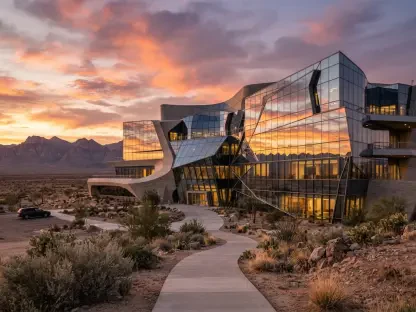
The aesthetic and functional evolution of the residency clinic was guided by the creative vision of the world-renowned architect Marlon Blackwell. His firm, Blackwell Architects, LLC, approached the renovation with the understanding that clinical environments should enhance the dignity of both the patients and the medical staff. By moving away from the stark, utilitarian designs often found in rural medical facilities, the project introduced high-level architectural concepts that foster a sense of wellness and professional pride. The use of natural light, efficient spatial flow, and modern materials ensures that the facility reflects the high standard of care being taught within its walls. This commitment to architectural excellence sends a powerful message to the Mississippi Delta community, affirming that rural healthcare facilities can and should meet the same design standards as those found in major metropolitan centers. Such an environment is expected to aid significantly in the recruitment of top-tier medical talent.
Collaborative Frameworks: Aligning Public and Private Resources
The successful launch of this medical residency was not merely a result of private generosity but also stemmed from a multi-layered collaboration between state government and institutional partners. Governor Sarah Huckabee Sanders significantly bolstered the project by allocating a $3 million grant through the state’s Rural Health Transformation Program, covering essential startup costs that private funding alone could not satisfy. This state-level support was further solidified by a Memorandum of Understanding between NYITCOM-Arkansas and the Mississippi County Hospital System, creating a clear academic and administrative pathway for the residency program. To ensure operational stability, St. Bernards Healthcare entered into a strategic management agreement with the hospital system, providing the clinical expertise and administrative oversight necessary to manage a complex residency curriculum. These overlapping layers of support create a resilient foundation that protects the program from the financial and logistical volatility that often hinders rural health projects.
Local governance played a pivotal role in aligning these resources with the immediate needs of the community, as officials like County Judge John Nelson worked to bridge the gap between industrial expansion and social infrastructure. As Mississippi County continues to see a massive influx of steel manufacturing and other heavy industries, the pressure on local services has reached a tipping point. The residency program serves as a strategic response to this growth, ensuring that as the workforce expands, the medical capacity is there to support it. Leaders have recognized that economic prosperity is inextricably linked to the health of the population, and without a robust primary care network, industrial growth becomes difficult to sustain. By integrating the residency program into the county’s broader development strategy, stakeholders have moved beyond short-term fixes toward a holistic model of community building. This coordination ensures that the arrival of new doctors coincides with the increasing demand for medical services across the Delta region.
Legacy and Longevity: A Catalyst for Regional Healthcare
The Huffman donation is rooted in a deep personal history, as Ted Huffman, a Blytheville native, leveraged his professional success in the Manhattan financial sector to reinvest in his home state. Alongside his wife Cheryl, an accomplished attorney, Huffman aimed to provide the same high-quality medical resources to Delta families that are available in larger cities. This philanthropic gesture serves as a powerful testament to the impact that successful individuals can have when they reconnect with their origins to address localized systemic issues. By targeting medical education specifically, the Huffmans have created a gift that keeps giving, as every graduating class of residents represents a potential long-term addition to the local physician workforce. Their involvement has also acted as a catalyst for community engagement, encouraging other local leaders and private donors to consider how their resources can be used to solve regional challenges. This personal commitment highlights the vital role that private citizens play in augmenting public efforts to revitalize rural medicine.
In retrospect, the integration of the residency program at Great River Medical Center established a blueprint for rural healthcare transformation that other regions began to emulate. Stakeholders moved away from the traditional recruitment models and instead focused on growing their own talent by providing superior training facilities and a supportive professional community. It was determined that the most effective way to retain physicians was to immerse them in the local culture during their formative residency years. Future initiatives should look to these collaborative models, where private philanthropy, state funding, and professional management organizations converged to solve a singular problem. Moving forward, the focus shifted toward expanding these residency tracks into specialized fields such as pediatrics or behavioral health to further round out the Delta’s medical offerings. By maintaining the high standards of design and education established during the clinic’s founding, the community ensured that the residency clinic remained a cornerstone of regional wellness for years.