Navigating the sprawling, dust-swept landscapes of rural New Mexico often reveals a stark reality where healthcare access is a luxury rather than a guarantee for thousands of residents. The New Mexico Clinical Education Program, frequently referred to as ClinEd, operates as a cornerstone of the University of New Mexico Health Sciences Office for Diversity, Equity & Inclusion to address this very disparity. By identifying and nurturing undergraduate and post-baccalaureate students from within these same underserved territories, the initiative creates a robust pipeline that prepares future doctors, nurses, and specialists for the specific demographic and geographic demands of their home regions. This strategy does more than just fill vacant roles; it cultivates a generation of healthcare providers who are inherently invested in the well-being of their neighbors. Through a curriculum that emphasizes both clinical excellence and social responsibility, the program ensures that the path to a medical career is accessible to those who are most likely to remain in rural practice for the long term.
A Holistic Approach to Medical Training
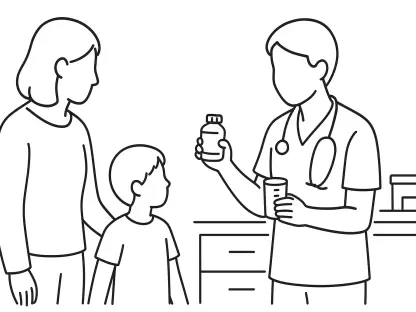
The educational framework of the ClinEd initiative relies heavily on a six-week clinical shadowing model that intentionally pushes students beyond the role of a passive observer and into the active heart of rural clinic operations. During this intensive period, participants are fully integrated into the daily workflows of local facilities, where they gain firsthand experience in essential functions such as patient intake, physical examinations, and the nuanced process of diagnostic reasoning. Unlike traditional rotations that might isolate a student within a single specialty, this immersive approach requires individuals to rotate through various critical support departments, including emergency services, medical laboratories, and radiology units. This broad exposure is vital for understanding how a resource-limited setting functions as a cohesive unit, teaching students to appreciate the interconnectedness of every department. By observing the entire patient journey from check-in to discharge, future providers develop a comprehensive understanding of the logistical and clinical hurdles that rural patients face.
Integrating Clinical Skills: Shadowing and Practical Experience
In addition to sharpening their clinical diagnostic skills, the program places a significant emphasis on the often-overlooked business of medicine, which is a critical component for the long-term survival of rural healthcare centers. Students spend a portion of their time working alongside hospital administrators, business management professionals, and medical records teams to gain insights into the complex financial and logistical infrastructures required to keep these facilities operational. Understanding how to manage scarce resources, navigate insurance complexities, and maintain accurate records is just as important as medical knowledge in an environment where a single administrative failure can jeopardize access for an entire community. This part of the curriculum transforms students into capable leaders who are prepared to take on the responsibilities of facility management if necessary. By the end of the program, participants possess a dual-threat capability: they are not only skilled clinicians but also savvy organizational thinkers who understand how to sustain a healthcare practice in areas frequently neglected by larger medical networks.
Managing the Business Side: Administrative Leadership
A foundational pillar of the ClinEd experience is the cultivation of cultural humility, a concept that necessitates a departure from high-volume, transactional models of care in favor of a deeply patient-centered philosophy. This approach teaches students that medical expertise is only half of the equation; the other half involves a profound respect for the social, linguistic, and historical fabric of the community being served. By living and working within the same rural towns as their patients, students begin to view the individuals they treat as neighbors and community members rather than just clinical cases to be processed. This immersion fosters a therapeutic bond built on mutual trust and shared experience, which is particularly crucial in regions where historical mistreatment has led to a general skepticism of institutional medicine. When a provider understands the local culture and the unique stressors of a rural lifestyle, they can offer advice and treatment plans that are more likely to be followed. This emphasis on longevity and personal connection is what ultimately drives improved health outcomes.
Building Lasting Community Connections
The success of this mentorship-driven model is perhaps best illustrated by the stories of alumni such as Dr. Rina Patel Trujillo and Dr. Miguel Trujillo, who were part of the program’s earliest cohorts and eventually returned to practice in Española. Their professional journey represents the full circle objective of the initiative, where former students become the very preceptors who guide the next generation of medical hopefuls. This cycle of mentorship creates a self-sustaining ecosystem where knowledge and passion for rural medicine are passed down through firsthand experience rather than just through textbooks. For these doctors, the intersection of their personal and professional lives becomes a strength; seeing a patient at a local grocery store or a community festival reinforces the accountability and care they provide in the clinic. Their presence serves as a living testament to the fact that rural practice can be a fulfilling and sustainable career path. By returning to their roots, these physicians provide a level of continuity and cultural resonance that external providers simply cannot replicate, solidifying the health infrastructure.
Cultural Humility: Shifting toward Patient Centered Care
As the landscape of New Mexico healthcare continues to evolve, the program has become a magnet for students like Ingrid Luevano, a first-generation pre-medical student who embodies the changing demographics of the state’s workforce. Modern participants in the program are increasingly focused on the development of soft skills, such as emotional intelligence, active listening, and collaborative teamwork, which are just as essential as technical proficiency in a rural setting. By recruiting students who reflect the ethnic and cultural realities of the state, particularly those from Mexican-American and Indigenous backgrounds, ClinEd ensures that the next generation of providers can bridge communication gaps and address systemic inequities. This diversification of the pipeline is a deliberate strategy to counteract decades of healthcare disparities that have disproportionately affected marginalized groups. When a patient sees a doctor who shares their background and speaks their language, the barriers to quality care begin to dissolve. These students are being trained not just to treat diseases, but to act as advocates who understand the multifaceted nature of health.
Legacy and Mentorship: The Full Circle Narrative
Evidence from the past several years suggests that early and meaningful exposure to rural medical environments is the single most effective predictor of whether a practitioner will choose to remain in those areas after graduation. By encouraging students to step outside their comfort zones and engage with unfamiliar or remote cultural landscapes, the program fosters significant personal and professional growth that cannot be replicated in an urban hospital setting. This proactive engagement helps students overcome the perceived isolation of rural practice by showing them the deep social rewards and professional autonomy that come with being a community doctor. The initiative functions as more than just a training program; it is a vital intervention in the state’s labor market, ensuring that the geographic distribution of doctors matches the needs of the population. By the time participants enter their residency, they have already developed the resilience and the community ties necessary to thrive in high-need areas. This long-term commitment is essential for creating a healthcare system that is medically sound, culturally informed, and rooted in service.
Securing the Future of Rural Medicine
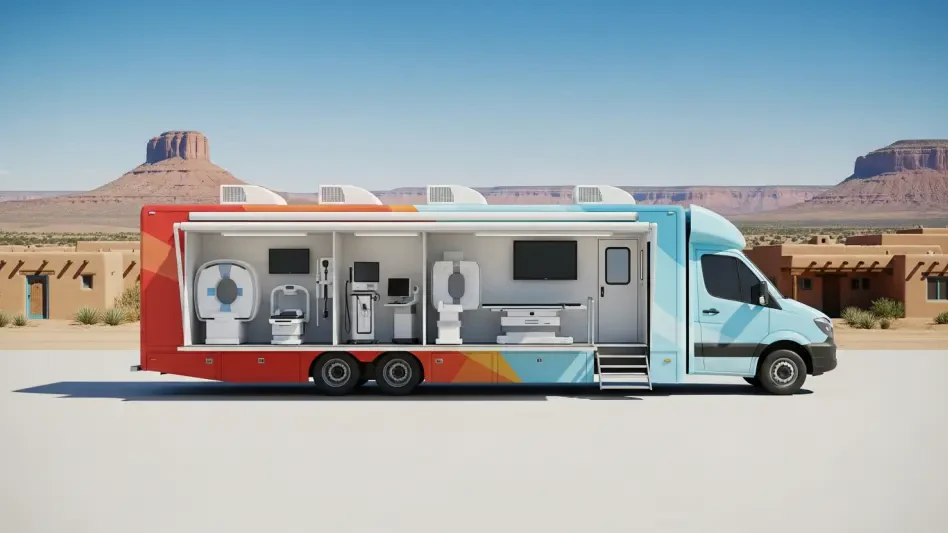
The strategic expansion of the ClinEd framework demonstrated that local recruitment and immersive clinical training effectively countered the chronic physician shortages that once plagued New Mexico’s rural corridors. Moving forward, the implementation of similar programs prioritized the integration of telehealth training and mobile diagnostic units to further bridge the distance between remote patients and specialized care. Stakeholders in healthcare policy recognized that investing in student housing and financial incentives for those committing to rural practice was a necessary next step to maintain the momentum of these initiatives. Furthermore, the collaboration between medical universities and local tribal governments offered a blueprint for how to respect sovereignty while improving health outcomes. Future efforts focused on scaling this model to include dental and mental health professionals, recognizing that primary care was only one piece of the wellness puzzle. By formalizing these community-based pathways, the state established a resilient workforce that remained dedicated to equity and innovation. The emphasis shifted toward data-driven retention strategies that ensured these providers had the tools required to flourish.