
The modern medical landscape demands a level of precision that traditional didactic instruction simply cannot fulfill alone, especially as healthcare systems grapple with increasing complexity and the urgent need for enhanced patient safety protocols. The inauguration of the high-fidelity simulation suites at Dalhousie University’s Centre for Collaborative Clinical Learning and Research (C3LR) marks a decisive pivot in how Atlantic Canada prepares its healthcare workforce. By recreating the chaotic and critical atmosphere of intensive care units and operating rooms, the institution is effectively bridging the longstanding divide between classroom theory and the acute clinical practice required in the field.
Revolutionizing Medical Pedagogy Through Immersive Simulation
Across the globe, academic institutions are recognizing that the traditional clinical rotation model is often insufficient for the evolving demands of modern medicine. This shift toward simulation-based healthcare education allows for a standardized approach to training, ensuring that every student encounters rare but critical scenarios that might not occur during a standard hospital internship. The primary goal is to foster an environment where technical skills and soft skills, such as communication under pressure, can be refined simultaneously without endangering real patients.
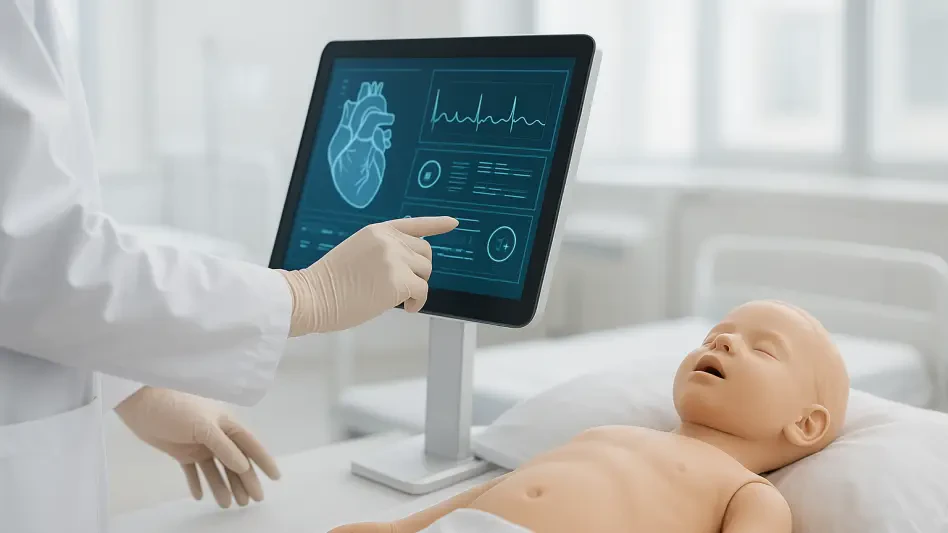
The significance of high-fidelity environments lies in their ability to mirror the psychological and physiological stressors of real-world emergencies. When students engage with lifelike manikins that respond dynamically to their interventions, the learning transcends rote memorization and enters the realm of experiential mastery. Key stakeholders, ranging from regional health authorities to academic leadership, view these centers as vital infrastructure for maintaining the quality of care and meeting modern patient safety benchmarks. Furthermore, the integration of these technologies ensures that the quality of medical training remains consistent regardless of the fluctuations in hospital patient volumes.
Driving Educational Innovation in Atlantic Canada
The strategic expansion within the Collaborative Health Education Building signifies a broader commitment to regional excellence. By centralizing these resources in Halifax, the university creates a focal point for medical innovation that serves all of Nova Scotia and the surrounding provinces. This regional approach ensures that the local workforce is not only well-trained but specifically prepared for the demographic and systemic challenges unique to the Atlantic provinces.
Emerging Technologies and the Shift Toward Interprofessional Learning
Hyper-realistic settings, including intensive care units, operating rooms, and labor suites, are now at the core of the educational experience. Unlike static labs of the past, these spaces utilize advanced manikins that replicate complex human physiological responses like respiration, cardiac distress, and even physical symptoms like diaphoresis. This technological realism forces students to rely on clinical intuition rather than just monitoring equipment, creating a more holistic understanding of patient care.
The simulation suites are also designed to break down traditional professional silos. Physicians, nurses, and physician assistants no longer train in isolation; instead, they operate as a unified team within the simulation space to solve complex medical puzzles. This interprofessional model reflects the reality of modern hospital settings where collaborative decision-making is essential for optimal patient outcomes. Evolving student expectations now prioritize these hands-on, low-risk environments where they can build confidence and critical thinking skills before stepping onto a real clinical floor.
Market Growth and Regional Workforce Development Projections
The expansion of simulated learning infrastructure is a direct response to Nova Scotia’s pressing healthcare workforce shortages. Specialized programs, such as the Master of Physician Assistant Studies, are leveraging these facilities to accelerate the training of much-needed clinicians. In fact, projections from 2026 to 2031 suggest that the doubling of Nurse Practitioner enrollments will significantly increase regional healthcare capacity, provided that high-quality training facilities keep pace with student volume.
Data-driven insights indicate that the economic and social returns on investment for such healthcare infrastructure are substantial. By reducing the time required for new graduates to reach full clinical competency, the province can more effectively manage the demands of an aging population. This forward-looking investment strategy aims to create a sustainable pipeline of professionals who are ready to serve the community immediately upon graduation, thus ensuring long-term systemic resilience.
Navigating the Complexity of High-Stakes Training Environments
Maintaining state-of-the-art simulation hardware and software presents significant technical and financial hurdles that require constant oversight. The initial investment is only a fraction of the cost, as equipment must be frequently updated and calibrated to remain clinically relevant in a fast-paced technological landscape. Moreover, the logistical demands of running a facility at near-maximum output require a dedicated team of technicians and educators who can manage complex schedules and diverse curriculum needs.
Beyond the technical aspects, there is the challenge of shifting medical culture to normalize learning through mistakes. Historically, the medical field has been risk-averse and hierarchical, which can sometimes hinder honest reflection. Simulation centers work to overcome these cultural barriers by providing a safe space where errors are treated as valuable learning opportunities rather than professional failures. This shift is essential for fostering a culture of transparency and continuous improvement in the broader healthcare system.
Standards of Practice and Regulatory Compliance in Simulated Care
Aligning simulation curricula with national accreditation standards is a rigorous process that ensures every student meets the same high level of competency. These regulatory requirements dictate that training must be measurable, objective, and reproducible. Therefore, the role of debriefing protocols becomes paramount; these structured reflection sessions allow educators to assess student performance against national benchmarks while encouraging the learner to develop critical self-assessment skills.
As simulation becomes more data-intensive, ensuring data privacy and ethical standards in the recording and analysis of student performance is a growing concern. Educators must manage high-definition video and performance metrics while protecting the identity and professional reputation of the students. These internal policies must align with provincial healthcare mandates, which increasingly influence how clinical simulation centers are designed to meet specific public health goals and professional requirements.
The Future of Healthcare Delivery and Technological Synergy
Looking ahead, the integration of Virtual Reality and Artificial Intelligence is expected to define the next phase of simulation training. These technologies will allow students to practice procedures in a fully immersive digital environment before ever touching a physical manikin, further reducing costs and increasing accessibility. Such technological synergy will enable even more personalized learning paths, where AI can adjust the difficulty of a scenario in real-time based on the student’s physiological and cognitive responses.
The trajectory of healthcare education is moving toward fully integrated, multi-disciplinary learning hubs that act as the heart of the medical community. Continued philanthropic partnerships and provincial funding will be essential to complete the remaining stages of the facility expansion. As these resources evolve, the simulation-trained workforce will likely have a profound impact on patient outcomes, reducing medical errors and enhancing the overall efficiency of the regional healthcare delivery system.
Advancing Clinical Excellence Through Strategic Investment
The establishment of the high-fidelity simulation suites represented a significant leap forward for clinical excellence. This strategic investment moved the needle on how safety and collaboration were prioritized during the formative years of medical education. The facility successfully fostered a culture where reflection and interprofessional teamwork were no longer optional add-ons but core components of the professional identity for every graduate.
Final perspectives on the center’s impact highlighted the necessity of sustained investment in healthcare human resources to match the technological advancements. Stakeholders recommended that future expansions focused on integrating remote simulation capabilities to support rural healthcare providers. By grounding clinical education in high-fidelity simulation, the institution ensured that the next generation of providers was equipped to navigate the complexities of care with confidence, skill, and a deep commitment to patient safety.