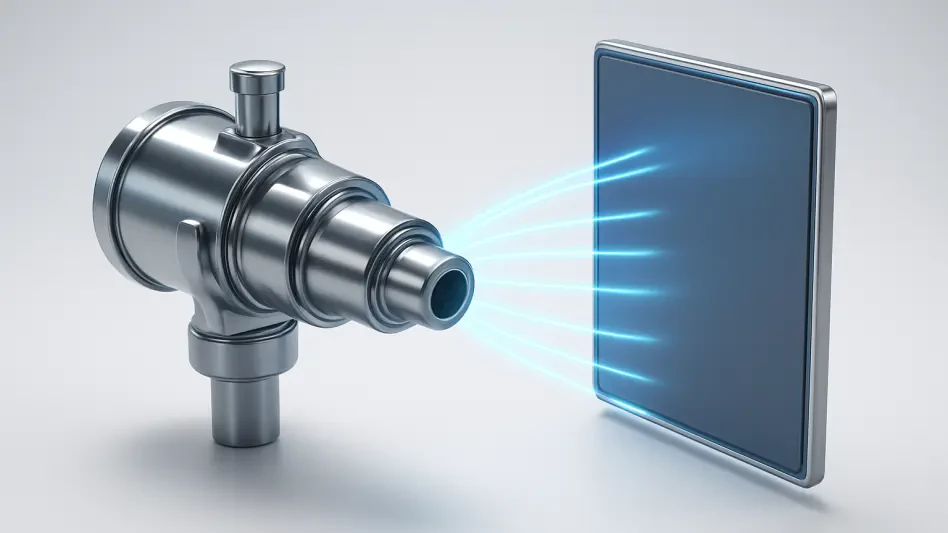

The integration of Varex Imaging into Teledyne’s portfolio creates a vertically integrated powerhouse capable of providing complete source-to-detector solutions to global medical OEMs. This move represents a strategic shift toward controlling the full imaging pipeline, reducing the reliance on external suppliers for the critical hardware that powers everything from hospital diagnostic suites to security checkpoints. By internalizing the production of high-performance X-ray sources, Teledyne is not simply expanding its inventory; it is fundamentally altering its relationship with original equipment manufacturers. This transition allows for the development of highly optimized, proprietary imaging stacks where hardware and software are designed in tandem rather than being pieced together from disparate vendors. As the healthcare and industrial sectors demand higher resolution and faster throughput, the ability to manage the entire photon journey from emission to digital conversion has become the new standard for industry leadership and innovation. Furthermore, this $1.1 billion consolidation serves as a clear signal that the digital imaging landscape is entering a period of intensive vertical integration, where the most successful entities will be those that can offer a seamless and unified hardware experience to their global partners.
Financial Mechanics and Transaction Overview
Premium Valuation and Equity Considerations
The acquisition strategy employed by Teledyne highlights a precise understanding of the current market cycle and the intrinsic value of high-specification imaging technology. By offering $18.90 per share, Teledyne has placed a 52.3% premium on Varex’s recent closing price, signaling to the market that the technological assets and patents held by Varex are significantly more valuable than recent public equity metrics suggest. This valuation represents an enterprise value of approximately 8.7 times the trailing twelve months’ EBITDA, a multiple that analysts describe as a disciplined but aggressive expansion during a period of market stabilization. For the existing shareholders of Varex, this premium provides an immediate and substantial return on investment, effectively capturing the long-term potential of the company’s R&D pipeline in a single liquidity event. This pricing also reflects the scarcity of companies capable of producing high-vacuum, high-voltage X-ray tubes at scale, a barrier to entry that justifies a significant capital outlay to secure a dominant market position in the medical and industrial sectors.
Beyond the immediate share price, the financial structure of the deal was designed to demonstrate Teledyne’s confidence in its own operational efficiency and long-term fiscal health. The transaction was priced to reflect not only the current revenue streams of Varex but also the projected synergies that will emerge as the two companies consolidate their administrative and manufacturing footprints. By paying a significant premium, Teledyne effectively preempted competing bids from other private equity firms or industrial conglomerates that have been circling the specialized sensor market. This proactive financial commitment ensures that Teledyne maintains its trajectory of acquiring high-moat businesses that provide essential components to non-discretionary industries. The deal’s valuation serves as a benchmark for future consolidations in the imaging sector, proving that despite broader economic fluctuations, specialized technological leadership continues to command premium pricing from strategic buyers who prioritize long-term vertical integration over short-term quarterly gains.
Debt Absorption and Cash Flow Management
Teledyne’s plan to fund this acquisition through its existing revolving credit facility underscores the company’s robust balance sheet and its ability to leverage investment-grade credit to facilitate growth. By utilizing a revolver rather than issuing new equity, Teledyne avoids the dilution of its current shareholder base, ensuring that the earnings per share remain protected as the new assets are integrated into the corporate structure. This financial maneuver allows the company to move quickly, securing the acquisition without the delays often associated with complex secondary offerings or the high costs of junk-rated debt. The ability to tap into low-cost capital at this scale is a testament to Teledyne’s historical performance and its reputation for successfully integrating large acquisitions. Once the deal is finalized, the primary focus will shift to using the combined company’s increased cash flow to pay down the drawn credit facility, a process that Teledyne has successfully executed in previous multi-billion dollar acquisitions within the aerospace and defense sectors.
Furthermore, the absorption of Varex’s existing debt into Teledyne’s broader financial framework provides a unique opportunity to optimize the capital structure of the combined entity. Varex had been operating under a higher cost of capital, which limited its ability to aggressively reinvest in its manufacturing facilities. Teledyne’s superior credit rating allows for the eventual refinancing of Varex’s liabilities at more favorable interest rates, directly improving the net income of the imaging division from day one. This improved financial flexibility is crucial for managing the significant inventory balances currently held by Varex, which reached $347 million earlier this year. By bringing these assets under Teledyne’s management, the company can apply its rigorous operational discipline to improve inventory turnover and accelerate the conversion of work-in-progress materials into cash. This meticulous approach to cash flow management ensures that the $1.1 billion investment becomes accretive to Teledyne’s earnings shortly after the integration is completed, providing a stable foundation for continued technological investment.
Strategic Rationale and Technical Complementarity
Bridging the Source-to-Detector Gap
From a purely technical standpoint, Varex represents the missing piece in Teledyne’s comprehensive imaging roadmap, which has long focused on advanced CMOS and infrared sensing. While Teledyne already possessed a world-class portfolio of digital detectors, it lacked the internal capability to manufacture the X-ray tubes and rotating-anode sources that generate the initial signals required for medical and industrial scanning. This acquisition bridges that gap, allowing Teledyne to offer a complete “source-to-detector” chain. This vertical integration is a massive advantage for OEMs who previously had to source these components from separate vendors, leading to potential compatibility issues and longer development cycles. By providing a unified hardware stack, the combined entity can offer optimized subsystems that are pre-calibrated for performance, significantly reducing the time-to-market for new CT scanners, mammography systems, and cargo inspection units. This synergy transforms the company from a component supplier into a strategic partner that can solve complex engineering challenges for its clients.
The integration of hardware also opens new avenues for software-driven optimization that were previously impossible when working with third-party components. When the source and the detector are designed by the same engineering team, it becomes possible to implement more sophisticated pulsed X-ray techniques and synchronized timing algorithms. These technical refinements lead to better image quality and reduced motion blur in dynamic imaging applications, such as cardiovascular interventions or high-speed industrial inspection lines. Furthermore, the combined engineering talent will be able to develop proprietary interfaces that allow for more efficient data transfer between the X-ray source and the digital sensor, minimizing latency and maximizing the signal-to-noise ratio. This level of technical cohesion creates a powerful competitive barrier, as competitors who only manufacture one end of the imaging chain will struggle to match the performance levels achieved by an integrated system. The resulting portfolio is not just larger; it is technically superior, offering a level of precision that meets the increasingly demanding standards of modern digital diagnostics.
Advancing High-Radiation and PCD Technology
One of the most compelling aspects of the Varex acquisition is the inclusion of its Photon Counting Detector (PCD) technology, which is widely considered the next frontier in computed tomography and specialized oncology. Unlike traditional energy-integrating detectors that convert X-rays into visible light before capturing them digitally, PCDs directly count individual photons and measure their energy levels. This energy-resolved imaging allows for significantly better contrast, particularly when distinguishing between different types of soft tissue or identifying specific materials in industrial inspection. By securing this technology, Teledyne positions itself at the forefront of the shift toward low-dose, high-resolution medical imaging. The ability to provide PCD solutions is particularly critical for the development of next-generation CT scanners, which require higher sensitivity to provide accurate diagnoses while minimizing the radiation exposure to patients. This alignment with global healthcare trends ensures that the company remains a vital supplier for the world’s leading medical device manufacturers through 2027 and beyond.
In addition to medical applications, the advancement of high-radiation tolerant technology has profound implications for the industrial and security sectors. Varex’s expertise in manufacturing durable, high-energy X-ray sources is essential for non-destructive testing in the aerospace and automotive industries, where imaging through dense metals requires immense power and precision. Teledyne’s existing semiconductor and sensor capabilities, when combined with Varex’s high-energy hardware, will allow for the creation of more robust inspection systems that can operate in extreme environments. This includes the scanning of large-scale cargo containers for security purposes and the inspection of critical structural components in jet engines or power plants. The synergy between Teledyne’s digital processing power and Varex’s high-radiation hardware creates a unique technological footprint that is difficult for competitors to replicate. As industrial standards for safety and quality continue to tighten, the demand for these high-performance, energy-resolved imaging systems is expected to grow, providing a stable and high-margin revenue stream for the newly integrated imaging division.
Contextualizing Varex’s Performance Challenges
Revenue Fluctuations and Operational Headwinds
Leading up to the acquisition, Varex faced a complex fiscal environment characterized by a significant divergence between its industrial and medical segments. The industrial division saw robust growth, driven by an increased demand for semiconductor testing and security screening as global trade and electronics manufacturing expanded. However, the medical segment—historically the company’s largest revenue driver—encountered significant headwinds due to a widespread de-stocking trend among global OEMs. Following the supply chain disruptions of previous years, many large-scale medical device manufacturers had accumulated excess component inventories to hedge against future shortages. As these companies began to work through their existing stock in early 2026, the demand for new X-ray tubes and detectors softened, leading to a temporary decline in Varex’s medical revenue. This cyclical downturn in the medical sector created a valuation window that Teledyne was able to capitalize on, acquiring the company at a price that reflects these temporary challenges rather than its long-term market potential.
Operational profitability during this period was also impacted by a series of non-recurring financial events that masked the underlying strength of the core business. For instance, Varex recorded a substantial $17 million refund from U.S. Customs related to historical tariff classifications, which provided a one-time boost to gross profits. While this was a positive cash event, it also highlighted the volatility that tariff policies and global trade regulations can introduce into the manufacturing sector. Additionally, the company struggled with significant inventory accumulation, with balances reaching levels that tied up valuable working capital and hindered operating cash flow. These operational hurdles were largely the result of balancing the long lead times required for specialized glass-to-metal seals and high-vacuum components with the fluctuating demand of a post-shortage market. By merging with Teledyne, Varex gains access to more sophisticated supply chain management tools and a larger global logistics network, which will help stabilize these operational fluctuations and ensure a more consistent financial performance across all segments.
Navigating High-Interest Debt and Capital Efficiency
The financial burden of high-interest debt was another critical factor that shaped Varex’s performance and made the Teledyne acquisition a strategic necessity. Operating as a standalone entity, Varex faced significant interest expenses that ate into its net income, limiting the amount of capital available for the massive R&D investments required to stay competitive in the high-tech imaging space. This debt structure, combined with the capital-intensive nature of X-ray tube manufacturing, created a scenario where the company’s growth was being throttled by its own balance sheet. Teledyne’s acquisition effectively solves this problem by bringing Varex into a much larger corporate family with an investment-grade credit rating. The ability to refinance high-cost debt and leverage Teledyne’s superior purchasing power for raw materials like tungsten and molybdenum will immediately improve the profitability of Varex’s product lines. This shift toward greater capital efficiency allows the combined company to focus on innovation rather than debt service, ensuring that the next generation of imaging products is brought to market more quickly.
The move toward better capital efficiency also involves a more rigorous approach to managing the $347 million inventory balance that Varex held prior to the deal. Under Teledyne’s operational philosophy, which emphasizes lean manufacturing and just-in-time delivery for high-value components, this inventory can be optimized to free up significant amounts of cash. By streamlining the production schedules of X-ray tubes and coordinating them more closely with the demand for digital detectors, the combined company can reduce the amount of capital tied up in work-in-progress materials. This transition is essential for improving the return on invested capital and ensuring that the imaging division remains a high-performing part of Teledyne’s diverse portfolio. The focus on capital efficiency is not just about cost-cutting; it is about creating a more agile and responsive manufacturing engine that can adapt to the rapid technological changes in the medical and industrial markets. This financial stabilization provides the breathing room necessary to pursue long-term research projects that may take several years to reach commercialization but offer significant competitive advantages.
Future Outlook and Market Synergy
Addressing Market Valuation Disconnects
Industry analysts have noted that the $1.1 billion price tag for Varex reflects a significant valuation disconnect that often exists between specialized technology manufacturers and the public markets. During cyclical downturns or periods of inventory correction, the market often undervalues the immense intellectual property and specialized manufacturing expertise that companies like Varex possess. Teledyne recognized that the cost of replicating Varex’s global manufacturing footprint, its clean-room facilities, and its highly specialized workforce would far exceed the market capitalization of the company. By stepping in when the stock was trading at a discount compared to its long-term value, Teledyne secured a world-class asset at a disciplined price. This strategic opportunistic approach is a hallmark of Teledyne’s growth strategy, which focuses on acquiring “high-moat” businesses where the technical barriers to entry are so high that competition is limited to a handful of global players. The acquisition of Varex is a prime example of recognizing the intrinsic worth of specialized industrial knowledge in a market that is often focused on short-term quarterly performance.
This valuation strategy also accounts for the long-term growth of the global imaging market, which is expected to expand as healthcare infrastructure improves in emerging economies and security requirements become more stringent worldwide. The combined company will be uniquely positioned to capture this growth, offering a range of products that span from affordable, high-volume sensors to the most advanced, high-precision imaging chains. By addressing the valuation gap now, Teledyne has effectively locked in a leading market share in several key technology categories before the next upswing in the medical equipment cycle. The synergy of the two companies’ customer bases—ranging from large-scale medical OEMs to government defense agencies—provides a diversified revenue stream that is resilient against localized economic shocks. This broad market reach ensures that the company can continue to invest in the cutting-edge R&D necessary to maintain its lead. Ultimately, the acquisition is a bet on the continued importance of digital imaging as a fundamental tool for modern society, and Teledyne has positioned itself to be the primary provider of that technology.
Regulatory Path and Competitive Barriers
The regulatory approval process for the Teledyne-Varex merger is expected to be relatively straightforward, primarily because the two companies offer complementary rather than competing products. In the world of digital imaging, Teledyne’s strength in digital detectors and Varex’s dominance in X-ray sources mean that the merger is a vertical integration that enhances the overall value proposition to customers rather than reducing market choice. Antitrust regulators in North America and Europe typically view such vertical consolidations favorably, especially when they lead to technological advancements and more efficient supply chains. Because there is minimal overlap in their specific hardware catalogs, the deal does not trigger the same level of scrutiny that a horizontal merger between two detector manufacturers would. This clear regulatory path allows the leadership teams of both companies to focus on the complex task of operational integration, ensuring that the transition is seamless for their global OEM partners.
Furthermore, the merger creates a new level of competitive barriers that will be difficult for smaller or less integrated firms to overcome. The sheer scale of the combined R&D budget will allow for the simultaneous development of multiple next-generation technologies, from AI-enhanced image processing to the miniaturization of high-voltage X-ray sources. This level of investment is out of reach for companies that only operate in one segment of the imaging chain. Additionally, the combined company’s global service and support network will provide a level of reliability that is essential for mission-critical medical and security applications. This “one-stop-shop” model is highly attractive to large OEMs who want to simplify their own supply chains and reduce the number of vendors they have to manage. By providing a unified, high-performance solution, Teledyne and Varex are effectively setting a new standard for what it means to be a leader in the digital imaging industry. This strategic positioning ensures that the company will remain the preferred partner for the world’s most advanced imaging systems for the foreseeable future.
Strategic Integration and Commercial Expansion
The strategic roadmap established by the leadership team focused on the immediate consolidation of R&D budgets to accelerate the deployment of photon-counting technology across the medical portfolio. Decision-makers prioritized the synchronization of engineering cycles, ensuring that Varex’s high-performance X-ray tubes were perfectly tuned to the specific bandwidth and sensitivity requirements of Teledyne’s latest digital detectors. This integrated approach allowed the company to offer bundled subsystems that simplified the assembly process for global medical equipment manufacturers, effectively reducing their development costs and accelerating the delivery of new diagnostic tools. To maximize the impact of the acquisition, the combined sales force focused on cross-selling Varex’s industrial inspection hardware into the aerospace and defense sectors where Teledyne already maintained a dominant presence. This expanded market reach provided an immediate boost to the industrial segment, offsetting the cyclical fluctuations seen in the medical market and providing a more balanced revenue profile for the overall imaging division.
To ensure long-term commercial success, the integration process also addressed the need for a unified software platform that could manage the data flow from both the source and the sensor. This initiative resulted in the development of a proprietary suite of diagnostic analytics that allowed customers to extract more information from every scan, improving the accuracy of cancer detection and the reliability of industrial quality control. The transition toward a more integrated, service-oriented business model proved essential for retaining high-value clients who were looking for more than just hardware components. By offering comprehensive imaging solutions that included ongoing technical support and software updates, the company secured multi-year contracts that provided a stable foundation for future growth. Furthermore, the decision to maintain manufacturing facilities in both North America and Europe ensured that the company remained resilient against regional supply chain disruptions and geopolitical shifts. These foundational changes successfully positioned the combined entity as a central pillar of the global imaging infrastructure, ready to meet the evolving demands of the healthcare and safety sectors through 2028 and beyond.