
The astronomical forty-seven trillion dollar economic burden generated by chronic conditions continues to escalate, fundamentally threatening the long-term viability of international healthcare infrastructures. This crisis is exacerbated by a historical reliance on reactive, hospital-centric models that were primarily designed for acute interventions rather than the continuous management of long-term diseases. In the current post-pandemic landscape, facilities are struggling with high bed occupancy rates and a significant volume of readmissions, many of which occur within a forty-day window following initial discharge.
The shift toward decentralized management has become a necessity to prevent the total collapse of public and private medical systems. Remote Patient Monitoring represents the frontline of this transition, offering a way to move clinical oversight from the ward to the home. Pi-Health has emerged as a pivotal player in this space by deploying a tripartite ecosystem consisting of medical-grade hardware, intuitive patient applications, and artificial intelligence clinician interfaces. This integrated approach allows for the continuous streaming of physiological data, providing a safety net for patients while optimizing institutional resources.
The Global Shift Toward Decentralized Chronic Disease Management
Global healthcare systems have reached a tipping point where the traditional hospital-bound care model no longer meets the needs of a population living longer with multiple comorbidities. Chronic diseases now account for nearly ninety percent of emergency admissions, creating a bottleneck that delays elective procedures and exhausts medical personnel. The economic strain is felt most acutely in systems like the National Health Service in the United Kingdom and across expanding healthcare sectors in the Middle East.
Remote monitoring technology serves as a bridge, allowing for the early detection of physiological deterioration before it necessitates an emergency room visit. By decentralizing care, providers can manage large patient cohorts with fewer physical assets, effectively expanding the capacity of a hospital without laying a single brick. This model shifts the focus from episodic treatment to continuous wellness, which is the only sustainable path for managing conditions like hypertension and diabetes in a growing population.
Pi-Health has positioned its ecosystem to address these systemic inefficiencies directly. The integration of ailment-specific hardware ensures that data is not just voluminous but clinically relevant. When patients utilize these tools, they move from being passive recipients of care to active participants in their own health journey, supported by an AI that alerts medical professionals only when intervention is truly necessary.
Technological Evolution and Market Dynamics in Remote Monitoring
Smart Sensors and the Rise of Virtual Wards
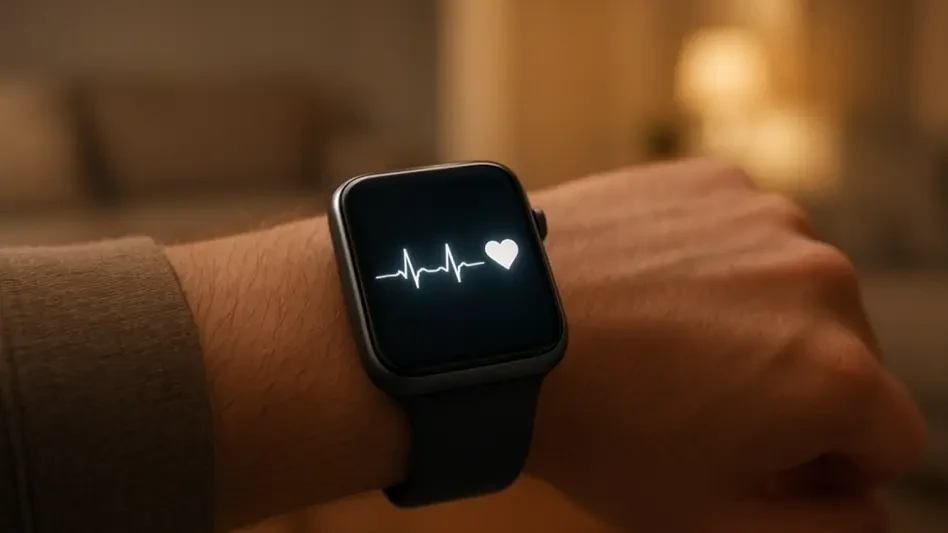
The transition from consumer-grade fitness trackers to medical-grade Pi-Sense wearables marks a significant milestone in remote monitoring. These specialized devices are capable of capturing high-fidelity data including ECG readings, blood oxygen levels for COPD management, and real-time glucose trends. Unlike generic wearables, these sensors are designed to meet rigorous clinical standards, ensuring that the data streaming into the physician interface is accurate enough for diagnostic decision-making.
Virtual wards have become the primary operational framework for utilizing these sensors, allowing clinicians to monitor high-risk patients in home-based settings. AI-driven triage systems process the incoming data streams, ranking patients according to their risk of deterioration. This real-time visibility into vitals and hydration levels enables a level of precision in remote care that was previously impossible. Physicians can now manage entire populations of at-risk individuals with the same clinical confidence they would have in a physical hospital environment.
Growth Projections and Global Market Validation
The expansion of Pi-Health across eighteen countries reflects a significant global validation of decentralized care technologies. With a portfolio of long-term contracts valued at over one hundred million pounds, the market has demonstrated a strong appetite for scalable remote monitoring solutions. These financial indicators are supported by clinical performance data, which shows a sixty percent improvement rate in the early detection of patient decline.
Large-scale deployment has moved from initial validation in Singapore to widespread implementation in the United Kingdom, Africa, and the Middle East. This growth is driven by the demonstrated ability to reduce the length of hospital stays and lower readmission rates. As more national health mandates prioritize digital transformation, the demand for integrated ecosystems that provide both hardware and software is projected to accelerate between 2026 and 2030.
Overcoming Integration Barriers and Data Silos
A primary challenge in the adoption of remote monitoring has been the synchronization of wearable data with legacy Electronic Patient Record systems. Many healthcare providers struggle with fragmented data that does not communicate across platforms, leading to administrative hurdles. Pi-Health addressed this by developing interoperable interfaces that allow data to flow seamlessly into existing medical records, ensuring that the patient’s longitudinal history remains comprehensive and accessible to all authorized clinicians.
To mitigate the risk of clinician burnout, the AI interface was designed to prioritize vitals and automate remote triage. Instead of overwhelming doctors with a constant stream of information, the system highlights only the patients whose data suggests a deviation from their personal baseline. This filtering mechanism ensures that medical professionals can focus their attention on those in urgent need of intervention, thereby improving the efficiency of the entire clinical team.
The financial barriers to adopting high-end medical technology have been lowered through the introduction of pay-as-you-go subscription models. By moving away from high upfront hardware costs, healthcare providers can align their expenses with patient outcomes. This model also bridges the data gap for insurance companies, providing them with real-time visibility and more accurate risk assessments, which ultimately leads to fairer premium structures and better coverage for the insured.
Navigating Regulatory Standards and Data Inclusivity
Compliance with international standards remains a cornerstone of the digital health transition, especially as national mandates like Saudi Vision 2030 push for rapid modernization. These regulations require stringent data security protocols to protect sensitive patient vitals during continuous transmission. Pi-Health ensured that its platform met these global benchmarks, fostering trust among governmental bodies and private healthcare organizations alike.
Addressing demographic bias in artificial intelligence has become a critical priority for the industry. The development of a large biobank focused on Black, Asian, and Minority Ethnic populations was a strategic step toward ensuring that diagnostic algorithms are accurate for all patients. This inclusivity prevents the data gaps that often lead to health disparities, making AI-driven healthcare more equitable and effective across diverse global populations.
The adoption of regulatory-approved e-visits has significantly reduced the physical burden on outpatient clinics. By allowing physicians to conduct consultations through the same interface that displays real-time patient data, the system streamlines the entire care process. This integration not only saves time for the patient and the doctor but also ensures that the consultation is informed by the most current physiological information available.
The Future of AI-Driven Healthcare and Preventive Medicine
Emerging trends in predictive diagnostics are set to redefine the next stage of healthcare evolution. The development of specialized medical belts capable of identifying early markers for stroke and atrial fibrillation risk represents a move toward hyper-specialized care. These tools will allow for even more granular monitoring, identifying risks days or even weeks before a clinical event occurs.
Market disruptors are already shifting revenue models away from episodic, fee-for-service treatment toward recurring, subscription-based wellness services. This alignment of financial incentives with patient health outcomes encourages providers to focus on prevention rather than just reaction. As e-prescriptions and third-party diagnostic test centers become more integrated into the monitoring loop, the home will become the primary hub for comprehensive medical management.
Global economic conditions will continue to influence the adoption speed of these cost-saving technologies. As health systems face tightening budgets, the ability of AI-driven wearables to reduce expensive hospitalizations will make them an essential component of any medical strategy. The focus will remain on building a resilient infrastructure that can adapt to the changing needs of a global population while maintaining a high standard of care.
Conclusion: Pioneering a Sustainable Path for Global Health Systems
The analysis of the remote monitoring sector demonstrated that Pi-Health successfully established a new benchmark for chronic care management. The integration of ailment-specific hardware and artificial intelligence provided a clear pathway to reducing hospital readmissions and improving clinician efficiency. Healthcare providers identified that the shift toward virtual wards was not merely a technological trend but a necessary structural change to maintain clinical standards amidst rising costs.
Investors recognized the value in recurring revenue models that favored long-term patient wellness over episodic intervention. Strategic recommendations focused on the immediate expansion of data inclusivity initiatives and the further integration of e-prescription services to close the loop on remote care. The results indicated that systems adopting these proactive protocols experienced significant improvements in patient quality of life and institutional sustainability.
Future considerations were centered on the adoption of predictive diagnostics to further minimize emergency events. The report highlighted the need for healthcare leaders to prioritize interoperability with legacy systems to ensure the long-term viability of digital health tools. Ultimately, the successful deployment of these ecosystems proved that modernizing chronic care required a balance of precision technology and strategic financial management.