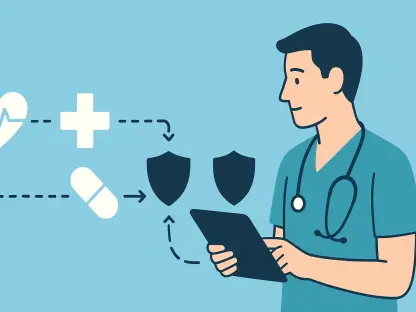

The clinical environment has reached a tipping point where the sheer volume of patient data generated every second now far exceeds the cognitive capacity of any individual human practitioner to process effectively. This review analyzes the strategic embedding of OpenAI’s generative intelligence into the fabric of modern medical infrastructure. By moving beyond simple conversational interfaces, the technology is now being utilized to bridge the gap between massive electronic health record repositories and the nuanced needs of bedside care. This transformation indicates a systemic shift toward a more intelligent healthcare ecosystem that prioritizes data synthesis over traditional search-and-retrieval methods.
The current implementation serves as a foundational layer for clinical decision support, providing a unified interface for disparate data sources. Unlike previous iterations of medical software that focused primarily on data entry, this system emphasizes narrative reconstruction to help clinicians understand the broader context of a patient’s history. By integrating directly into the systems where doctors already spend their time, the technology reduces the cognitive load required to navigate complex digital environments.
Evolution of Generative AI in Medical Infrastructure
The trajectory of generative AI in medicine has shifted from experimental chatbots toward enterprise-grade clinical instruments that operate within strictly regulated environments. Initially, these tools were viewed as external assistants, but the current landscape of 2026 sees them as deeply embedded components of the medical record itself. This evolution was driven by the need for more sophisticated tools that could handle the semantic complexity of medical terminology while adhering to rigorous privacy standards.
The transition from consumer-facing models to professional-grade infrastructure was facilitated by a massive pivot toward institutional security and reliability. This change allowed healthcare organizations to adopt large language models with the confidence that they were interacting with internal, protected data rather than public information. As a result, the technology has moved from a novelty for answering general health queries to a critical tool for synthesizing professional medical documentation.
Core Technical Features: Systems Integration
The technical framework of this integration relies on high-speed data connectors that allow the AI to interact with live medical records in real time. This capability is essential for ensuring that the intelligence layer is always working with the most current patient information. Moreover, the system is designed to act as a translator between different data formats, enabling a more fluid exchange of information between various hospital departments.
Central to this feature set is the ability to maintain context across multiple interactions, allowing the system to remember previous clinical nuances without manual prompting. This technical maturity ensures that the AI behaves more like a specialized colleague than a static software tool. By automating the backend processing of patient data, the integration frees up valuable time for practitioners to focus on direct patient interaction.
Epic Systems EHR Integration and Data Synthesis
The integration with Epic Systems addresses the long-standing problem of data fragmentation by allowing ChatGPT to act as a comprehensive scanner for the patient chart. Instead of forcing a doctor to hunt for specific laboratory trends or old specialist notes, the system consolidates these fragmented pieces into a coherent clinical timeline. This synthesis provides a narrative overview that highlights significant health events and interventions over several years.
By automating the review of historical records, the system identifies patterns that might be missed during a hurried manual search. This unique implementation distinguishes itself by focusing on the “story” of the patient rather than just providing a list of facts. Consequently, the preparation for patient visits has become significantly more efficient, as doctors can arrive with a holistic understanding of the case.
Read-Only Architecture and Safety Guardrails
A primary safety feature of the technical design is its read-only architecture, which restricts the AI from making unauthorized changes to the official medical record. This framework creates a definitive boundary where the AI can analyze and suggest, but only a human practitioner has the authority to sign off on or enter data. Such a structure is vital for maintaining the integrity of legal medical documentation and ensuring that accountability remains with the doctor.
This approach also serves to mitigate the impact of potential hallucinations by keeping the AI’s output in a separate, reviewable space. Human-in-the-loop oversight is not just an optional step but a hardwired requirement of the clinical workflow. By positioning the AI as an advisor rather than a clerk, the system preserves the high standards of professional medical responsibility.
Healthcare Public Data Plugin and External Connectors
The inclusion of the Healthcare Public Data plugin expands the system’s reach beyond the internal hospital walls to authoritative global databases. By connecting with resources like PubMed and ClinicalTrials.gov, the system helps clinicians stay informed about the latest research and trial eligibility for specific patient profiles. This feature turns the AI into a powerful research assistant that can cross-reference local patient data with international medical findings.
Furthermore, the integration with RxNorm and DailyMed allows for precise medication identification and interaction checks at the point of prescribing. This connectivity reduces the risk of adverse drug events by providing immediate alerts based on the most current pharmaceutical data. It represents a significant leap forward in evidence-based medicine by bringing high-level research directly into the exam room.
Emerging Trends in AI-Driven Clinical Workflows
The most prominent trend in current workflows is the drastic reduction of the “toggle tax,” as physicians no longer need to jump between multiple applications. By embedding intelligence directly into the chart, the workflow becomes more fluid, allowing for a more natural interaction with technology. This shift from manual searching to automated synthesis is fundamentally changing the way clinicians approach data management.
There is also a massive, organic surge in the utilization of these tools for patient communication and administrative triage. As AI becomes a standard interface, the industry is seeing a move toward more proactive healthcare where the system flags potential issues before they become critical. This trend toward anticipatory medicine is a direct result of the AI’s ability to monitor data streams continuously.
Real-World Applications: Industry Implementation
In hospital environments, the technology is being used to automate physician handoffs, which are critical periods where information loss often occurs. The AI generates concise, accurate summaries of a patient’s hospital stay, ensuring that the incoming team is fully briefed on recent changes and treatment goals. This application has already shown promise in reducing communication errors and improving the continuity of care across departments.
Additionally, the integration acts as a bridge between personal health data from wearable devices and professional clinical records. This allows doctors to incorporate real-world lifestyle data, such as sleep patterns and activity levels, into their medical assessments. By creating a more complete picture of a patient’s life outside the clinic, the technology enables more personalized and effective treatment strategies.
Technical Hurdles and Regulatory Obstacles
Despite its success, the technology faces significant hurdles, including a persistent 0.9% failure rate in certain clinical assessments. In a medical context, even a small margin of error can lead to consequential mistakes, necessitating constant vigilance and human intervention. The industry is currently grappling with how to balance the speed of AI with the absolute precision required for patient safety.
Regulatory and legal pressures also remain high, particularly regarding the accuracy of medication dosages and adherence to privacy laws. Establishing Business Associate Agreements for HIPAA compliance is a complex but necessary step for any hospital adopting these tools. These challenges highlight the ongoing need for a robust legal framework that can keep pace with the rapid advancement of clinical intelligence.
Future Outlook: Long-Term Impact
In the coming years, the role of the clinician is expected to shift away from data management and toward high-level medical decision-making. As the AI takes over the burden of documentation and administrative tasks, physician burnout may decrease significantly, restoring the focus to the patient. This evolution suggests a future where technology and humanity work in a more balanced partnership within the medical field.
The long-term impact will likely include a more democratized healthcare system where high-level clinical expertise is supported by a universal intelligence layer. As these tools become more integrated into the global health ecosystem, they will enable more consistent standards of care across different regions. Ultimately, this technology is set to become the standard interface through which all medical data is viewed and managed.
Final Assessment of OpenAI’s Healthcare Strategy
The strategic integration of OpenAI’s models into the healthcare infrastructure demonstrated that generative intelligence was capable of becoming a reliable medical asset. This implementation provided a necessary bridge between overwhelming data volumes and the practical needs of clinicians working in high-pressure environments. While the risks associated with failure rates and hallucinations required constant attention, the framework established a viable path for the responsible use of AI. The partnership with established medical systems proved to be a transformative step in modernizing clinical documentation. Ultimately, the shift toward an intelligence-first approach successfully redefined the standards for medical record management.