
Faisal Zain brings a wealth of expertise to the intersection of medical innovation and consumer accessibility, having spent years navigating the manufacturing side of diagnostic technology. He understands that the most advanced medical tools are only effective if the people who need them can actually reach them. Our discussion explores the significant shift occurring as retail powerhouses like Walmart collaborate with Teladoc Health to democratize clinical services through the Better Care Services platform. We delve into how flat-fee pricing models, the integration of mental health services, and the expansion into chronic disease management are reshaping the patient experience for both insured and uninsured Americans.
With retail platforms now offering virtual care for a flat cash price of $89 per visit, how do you see this disrupting traditional primary care models?
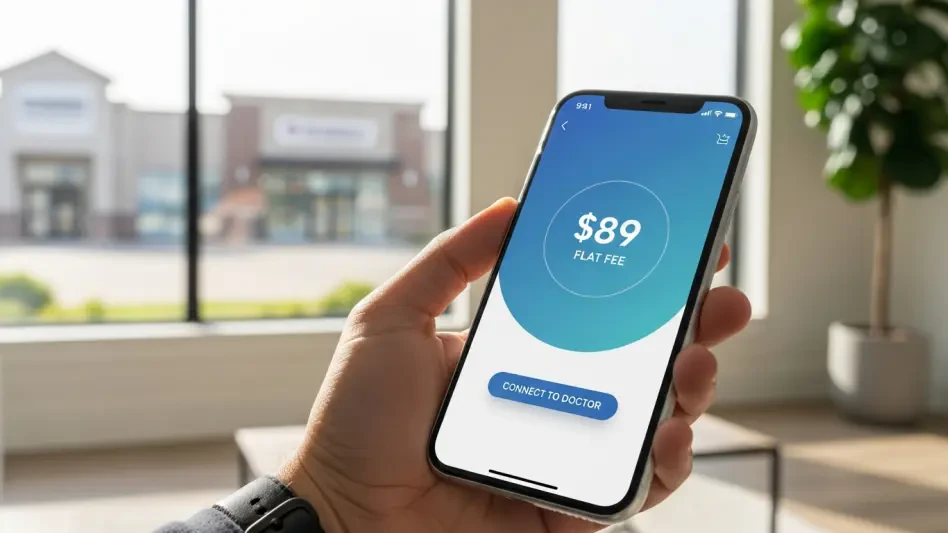
The $89 price point is a significant game-changer because it provides a transparent, predictable cost for patients who are often intimidated by the opaque and fluctuating pricing of traditional clinics. By offering 24/7 care for common conditions such as sinus infections, pink eye, or the flu, this partnership transforms a routine retail trip into a comprehensive medical touchpoint. We are seeing a move toward “healthcare on-demand,” where a patient can consult with a provider and have their prescription sent to a pharmacy in one seamless, digital flow. This model is incredibly beneficial for those without insurance, but it also appeals to anyone who wants to avoid the weeks-long wait for a standard doctor’s appointment.
The partnership highlights a massive clinical network being integrated into a retail experience. What does this indicate about the scale required to make telehealth truly effective for the general public?
To make a real impact on public health, you need the massive reach of a brand like Walmart, which already serves millions of Americans daily for their basic wellness needs. By layering a nationwide network of virtual care providers over this existing consumer footprint, these companies are creating an accessible path to care that bypasses traditional bureaucratic hurdles. It is about more than just a video call; it’s about utilizing a platform to let customers compare and choose from various providers like Curai, Included Health, or Wheel Health. When you combine the physical presence of a retail leader with the digital infrastructure of a telehealth giant, you finally solve the historical barriers of distance and scheduling that have long plagued the industry.
Beyond general urgent care, how does the inclusion of specialized services like mental health and nutrition guidance change the value proposition for the everyday consumer?
The integration of the mental health subsidiary BetterHelp, which joined the platform in January, demonstrates that this initiative is not just about treating a temporary cold. Consumers can now find specialized support for complex, long-term issues like depression and anxiety, or even consult with a registered dietitian for personalized nutrition guidance. This holistic approach is further echoed in programs like Amazon’s Health Benefits Connector, where similar cardiometabolic support is provided to help manage chronic conditions outside of the traditional hospital setting. By offering these diverse services in one digital location, the platform becomes a long-term health partner that supports a patient’s needs over time rather than just providing a quick fix.
How does this strategic move address the specific needs of the uninsured population while maintaining high standards of clinical quality?
For the uninsured, a flat $89 fee is often the critical difference between getting treated early or ending up in a high-cost emergency room when a condition worsens. The strategy here is to meet people exactly where they are already making health decisions and then guide them into a broader, trusted clinical network. Once a patient engages for a simple issue, the platform has the opportunity to connect them to a full breadth of services that support their health journey as it evolves. This creates a safety net that is both affordable and clinically rigorous, ensuring that quality of care is never sacrificed for the sake of retail convenience.
What is your forecast for the future of retail-integrated healthcare?
I anticipate that retail platforms will eventually become the primary gatekeepers of the American healthcare experience, moving far beyond simple video consultations. We will likely see a deeper integration where the $89 virtual visit seamlessly connects to more specialized diagnostic tools and home-monitoring devices that transmit data directly to the provider. As more companies join these health connectors, the increased competition will drive down costs while expanding the range of chronic diseases that can be safely treated remotely. Ultimately, the pharmacy and the doctor’s office will merge into a single, tech-driven wellness hub that operates entirely around the patient’s lifestyle and schedule.