
Faisal Zain stands at the forefront of medical technology, bringing years of expertise in the design and implementation of diagnostic tools that bridge the gap between clinical settings and patient homes. As the healthcare industry shifts toward a more decentralized model, Zain has become a pivotal voice in advocating for systems that prioritize both high-tech precision and grassroots accessibility. His work emphasizes that innovation is not merely about the complexity of a device, but about its ability to seamlessly integrate into the daily lives of those managing chronic conditions. In this conversation, we explore the transformative potential of the $250,000 Dr. Cesar A. Caceres Innovation in Healthcare grant awarded to Mary’s Center, an organization serving 65,000 residents in the Washington, D.C. area. We discuss how remote patient monitoring acts as a vital tool for health equity, moving care beyond the traditional exam room to provide continuous, proactive support for the most vulnerable populations.
The following discussion explores the integration of real-time monitoring within community health frameworks, the technical infrastructure required for secure data exchange, and the cultural evolution necessary to transition from reactive to proactive medical care.
Serving 65,000 people from diverse backgrounds requires balancing technology with accessibility. What specific social barriers arise when introducing remote monitoring to underserved populations, and how do you customize these tools to support patients who may lack stable internet or high digital literacy?
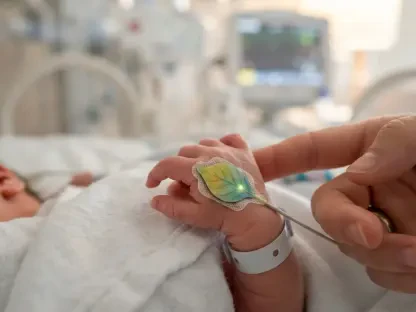
When you are responsible for the health of 65,000 individuals, you quickly realize that a one-size-fits-all digital solution is often a recipe for exclusion. The primary social barriers we encounter are the “digital divide” staples: inconsistent broadband access, the high cost of data, and varying levels of comfort with touch-screen interfaces. To truly support families in real-time, we have to look at devices that utilize cellular technology rather than relying solely on home Wi-Fi, ensuring that a patient in a basement apartment or a rural pocket remains connected. We also focus on “low-friction” hardware that requires minimal setup, perhaps just a single button or an automated cuff, which reduces the anxiety often associated with new gadgets. By providing these intuitive tools, we ensure that a grandmother managing hypertension or a young mother in a maternal health program feels empowered rather than intimidated by the technology in her home.
Remote patient monitoring aims to catch health risks before they escalate into emergencies. What specific clinical protocols are needed to manage real-time data for chronic or maternal health, and how do care teams determine which alerts require immediate intervention versus routine follow-up?
Transitioning to a proactive model means moving away from the “wait and see” approach of periodic, three-month checkups and toward a dynamic clinical protocol. For chronic and maternal health, we establish specific physiological “red zones”—such as a sudden spike in blood pressure or a dangerous drop in glucose levels—that trigger an immediate alert to a dedicated care coordinator. These teams use a triaging system where automated algorithms sort incoming data into categories of urgency, allowing clinicians to distinguish between a minor fluctuation and a life-threatening trend. This infrastructure enables us to intervene proactively, perhaps adjusting a medication dosage over the phone or scheduling a telehealth visit the same afternoon. It turns the medical center into a responsive hub that can catch a complication days before it would have forced a patient into an expensive and stressful emergency room visit.
Integrating new monitoring platforms into existing electronic health records is often a major technical challenge. What infrastructure steps ensure that data remains secure while being accessible to providers, and how does this seamless integration change the way clinicians coordinate care between traditional visits?
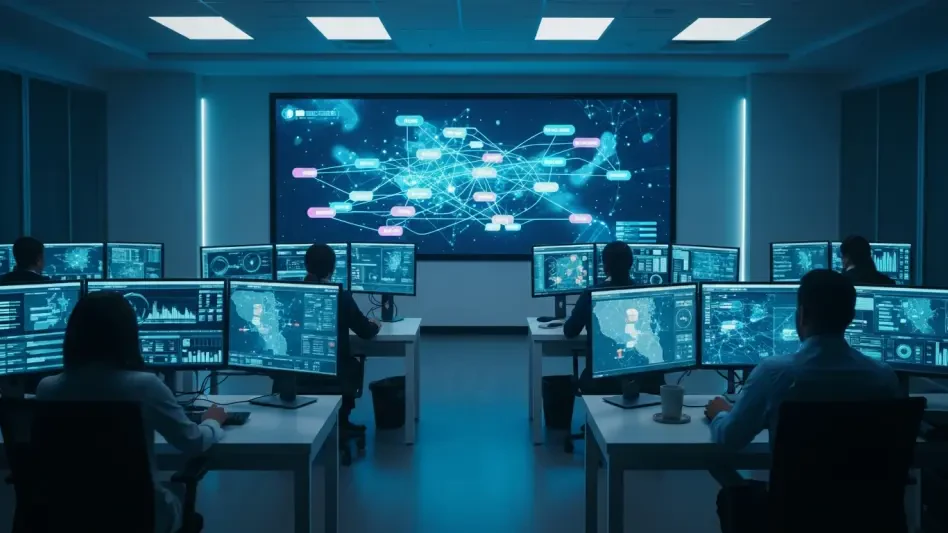
The cornerstone of a successful remote patient monitoring program is a scalable system that “talks” directly to the electronic health record without creating a fragmented digital silo. We implement end-to-end encryption and robust authentication protocols to ensure that when a patient shares sensitive health information from home, it remains confidential and protected. The goal is to have this real-time data flow directly into the clinician’s existing workflow, appearing as a clear trend line rather than a confusing pile of raw numbers. This seamless integration allows a doctor to walk into a traditional in-person visit already fully briefed on the patient’s health over the last thirty days, making the exam-room time far more productive. Instead of spending twenty minutes asking “how have you been feeling,” the provider can say, “I noticed your heart rate peaked last Tuesday; let’s discuss what was happening then.”
Transitioning from periodic in-person exams to continuous home-based support requires a shift in organizational culture. How do you prepare staff for this transition, and what specific metrics—such as reduced hospitalization rates—are most critical for proving the long-term success of a community-based technology model?
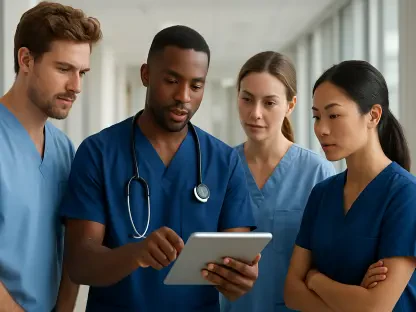
Preparing a clinical staff for this shift requires a move away from the mindset that healthcare only happens within the four walls of an exam room. We invest heavily in training so that our teams see remote data as an extension of their healing hands, allowing them to provide more personalized and equitable care. To prove the success of this model, we look at very specific, measurable health outcomes: a decrease in preventable hospital admissions, shorter recovery times for maternal health patients, and higher rates of medication adherence. The $250,000 grant from the Healthy Physician Foundation is essentially an investment in this data-driven accountability, showing that continuous support leads to deeper patient engagement. When a patient sees their own health trends visualized on a screen, they become an active participant in their care, which is the ultimate metric for long-term wellness.
Scalability is essential for any program launched with a major innovation grant. How do you design these systems to grow alongside evolving community needs, and what strategies ensure the technology remains a tool for health equity rather than another barrier for the most vulnerable patients?
To ensure scalability, we must build a flexible infrastructure that can pivot from monitoring behavioral health needs one day to specialized maternal support the next, depending on the community’s shifting priorities. This involves choosing modular software platforms that can expand as our patient base grows beyond the current 65,000 residents we serve in the D.C. metro area. We also maintain a “health equity first” lens by involving community members in the design phase, ensuring that the technology reflects their linguistic needs and cultural contexts. By honoring the legacy of pioneers like Dr. Cesar A. Caceres, who used technology to solve real-world medical problems, we ensure these tools are not just fancy add-ons. Instead, they become essential bridges that provide high-quality care to those who have historically faced the highest barriers to traditional medical services.
What is your forecast for remote patient monitoring?
I believe we are entering an era where the home will become the primary site of health maintenance, and the clinic will evolve into a specialized center for high-intensity intervention. My forecast is that within the next decade, remote monitoring will be the standard of care for every patient managing a chronic condition, fueled by systems that are so integrated they feel invisible to the user. We will see a significant reduction in health disparities as these tools reach into underserved neighborhoods, providing the same level of real-time oversight that was once only available to the most affluent. Ultimately, we are moving toward a more human-centric healthcare model where technology acts as a silent guardian, ensuring that no patient is ever truly “out of sight” of their care team.