
Faisal Zain is a seasoned innovator in the medical technology sector, known for bridging the gap between complex diagnostic hardware and the digital ecosystems that power modern healthcare. With a deep understanding of how clinicians interact with data at the point of care, he has become a leading voice on the integration of AI-driven decision support within electronic health records. In this conversation, we explore the real-world impact of the OpenEvidence platform, which has rapidly gained traction since its launch in collaboration with the Mayo Clinic. We discuss how major institutions like Johns Hopkins, Northwestern Medicine, and Penn Medicine are moving beyond basic data entry to create a more intuitive, evidence-based environment for both seasoned physicians and the next generation of medical students.
Since clinical decision tools are being embedded directly into electronic health records, how does this shift actually change the daily rhythm for a physician in the exam room?
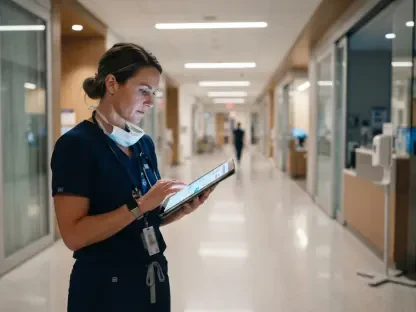
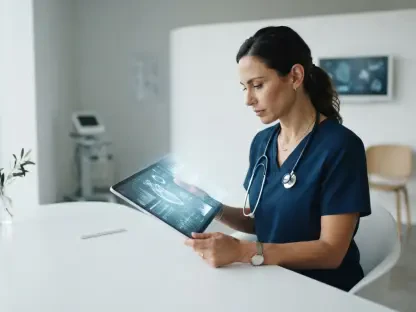
It transforms the exam room from a place of frantic searching into a space for meaningful, focused connection. When a physician at a system like Northwestern Medicine or AdventHealth can launch a platform directly from the EHR, they aren’t toggling between separate windows or losing eye contact with the patient to look up a study. Between January 2024 and June 2026, we saw 952,000 clinicians, including 556,200 physicians, submit a staggering 271 million queries, which proves there was a massive, unmet hunger for this immediate access to treatment and management data. By bringing drug interactions and the latest medical guidelines into the natural workflow, we are seeing clinicians reclaim their time for direct patient care. It is a profound shift to see the relief on a doctor’s face when they can answer a complex dosing question in seconds rather than spending twenty minutes on research after the patient leaves the office.
Johns Hopkins is focusing on a “human-first” AI model for medical education; what does that look like in practice for the next generation of doctors?
It is a deliberate move away from rote memorization toward a model of continuous, evidence-based leadership and lifelong learning. By collaborating with OpenEvidence, Johns Hopkins is ensuring that the huge influx of new practitioners is prepared for a career where AI acts as a reliable partner rather than a simple search engine. They are building platforms that blend individual medical histories with best practices, creating a nuanced training ground where residents can quickly consider the most recent evidence. You can feel the shift in the atmosphere of these teaching hospitals; there is a new sense of confidence when a student can use natural language to receive answers with citations to authoritative sources instantly. This isn’t just about passing boards; it is about training physicians to make high-stakes decisions with the most current data available in the palm of their hand.
When we look at specialized fields like oncology, how does the integration of specific databases like MSK’s OncoKB change the precision of cancer treatment?
Precision oncology is incredibly data-intensive, and the collaboration with Memorial Sloan Kettering is a total game-changer because it injects hyper-specialized expertise directly into the clinical workflow. By making OncoKB a part of the broader AI platform, the system can provide highly specific guidance on genomic variants and targeted therapies that would be impossible for any single human to keep track of. It represents the difference between a general treatment plan and a laser-focused strategy tailored to a specific tumor profile. For a clinician, having those citations and authoritative sources pop up during a patient consultation feels like having the world’s leading oncology experts standing right there in the room with you. This level of integration ensures that “best practices” aren’t just a distant goal, but a living reality in every oncology ward.
The Botswana-UPenn Partnership suggests these tools could bridge the gap in low-income regions; how realistic is it to expect AI to improve global health equity?
It is one of the most promising frontiers we have seen in health tech because it democratizes high-level medical knowledge across borders. Penn Medicine is taking the same clinical decision support used in Philadelphia and tailoring it for clinicians in regions where specialized consultants might be hundreds of miles away. As of September 2026, OpenEvidence has 1.12 million verified U.S. users, but the real power of this technology lies in its scalability to help practitioners in middle-income regions. When a nurse practitioner in a rural clinic can access the same evidence-based insights as a specialist in a major metropolitan hospital, the “knowledge gap” finally begins to close. It is an emotional milestone for many in our field to see technology used to pull people up rather than just widening the digital divide between wealthy and developing nations.
What is your forecast for the evolution of AI-integrated clinical workflows?
We are moving toward a future where the friction between clinical evidence and patient care entirely disappears. In the coming years, I expect we will see the volume of queries grow exponentially as AI becomes a silent, proactive assistant that flags new guidelines before the clinician even thinks to ask the question. We will see more health systems moving toward “human-first” designs that prioritize the physician-patient relationship over the burden of data entry. Ultimately, the goal is for the technology to become so seamless that we stop calling it “AI-powered” and simply recognize it as the standard of care for every patient, regardless of where they are being treated.