
Modern healthcare environments are currently witnessing a seismic shift as digital assistants move beyond simple voice transcription to become proactive clinical partners that actively manage the heavy cognitive load placed on nursing professionals. This transition is not merely a convenience; it is a vital response to the systemic burnout that has plagued the industry for years.
By extending the reach of ambient intelligence from physicians to the nursing staff, these agents aim to reclaim the hours lost to administrative navigation. These systems emerged as a specialized evolution of ambient intelligence, specifically tailored to the fast-paced, mobile nature of nursing workflows.
Core Architectural Components and Functional Features
The architecture of these agents is designed to support the non-linear nature of clinical tasks. Unlike physician tools that focus on a single encounter, nursing AI must handle constant interruptions and diverse data points throughout a twelve-hour shift.
This technology creates a persistent digital layer that listens and categorizes information in real time. It relies on a blend of edge computing for speed and secure cloud processing for deep contextual understanding of medical terminology.
Ambient Voice Recognition and Natural Language Processing
Modern natural language processing allows these tools to function effectively within the high-decibel environments of active hospital wards. The software distinguishes between casual patient conversation and specific clinical commands, ensuring that only relevant data is processed.
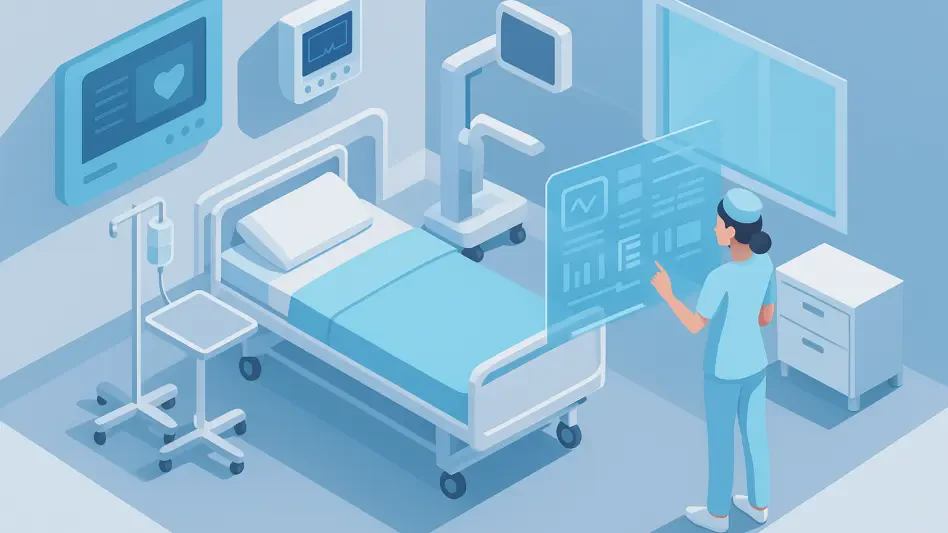
This specific feature enables nurses to call up patient records or history using simple voice queries while performing physical care. It transforms the bedside experience by removing the need for nurses to turn their backs on patients to interact with a screen.
Embedded EHR Integration and Discrete Charting
The integration with Electronic Health Records represents the most significant technical leap in recent years. By embedding the AI directly into the EHR foundation, developers have successfully eliminated the friction of context switching between different software interfaces.
This allows for discrete charting where vitals and nursing notes are populated into the correct fields automatically. The system ensures that data like blood pressure or weight is captured at the moment of measurement, maintaining a highly accurate and live patient record.
Emerging Trends in Clinical Automation and Workflow Optimization
There is a noticeable shift toward deeply integrated ecosystems rather than standalone applications. Today, the industry favors multi-modal agents that can synthesize data from various sources to support both complex documentation and immediate patient education needs.
Automation is also moving into the realm of workflow coordination. These tools now assist in prioritizing nursing tasks based on real-time data, ensuring that the most critical patient needs are addressed first without manual triage.
Real-World Applications in Modern Healthcare Systems
Systems like Oracle Health and Hippocratic AI are currently being deployed to manage complex handoffs and post-discharge follow-ups. These applications allow for the creation of instant patient summaries that provide a comprehensive view of a medical history in seconds.
By utilizing these summaries, nurses can grasp a patient’s current status and potential risks immediately upon starting a shift. This application has proven essential in reducing the time spent in redundant record reviews during busy transitions.
Technical Hurdles, Oversight, and Implementation Challenges
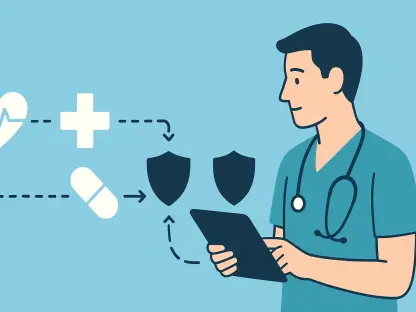
The implementation of these systems faces significant hurdles regarding algorithmic bias and the nuances of clinical language. Maintaining a “human-in-the-loop” approach is critical, as nurses must review and finalize every AI-generated entry to ensure medical accuracy.
Regulatory oversight remains a complex barrier as systems adapt to the nuances of automated medical records. Developers continue to work on refining the AI’s ability to handle diverse accents and regional terminologies without compromising data integrity.
Future Outlook: The Evolution of the Patient-Provider Relationship
The transition from reactive data entry toward proactive clinical decision support will define the next phase of development. Predictive nursing analytics are set to become a standard, allowing clinicians to anticipate patient deterioration before it occurs.
As digital barriers continue to dissolve, the focus will return to face-to-face care. These breakthroughs will likely solidify the role of the AI agent as an invisible but essential member of the care team, enhancing the human element of medicine.
Summary and Final Assessment
The integration of clinical AI agents represented a decisive step toward stabilizing a strained workforce. These tools effectively reduced the administrative fatigue that had historically driven nurses away from the bedside by streamlining documentation and enhancing operational efficiency.
The technology proved its potential to become a standard of care by prioritizing the patient-provider relationship over the demands of the digital interface. Ultimately, the successful deployment of these agents provided a sustainable path forward for the nursing profession.