
By implementing a permanent genetic labeling system in murine models, scientists have successfully tracked the movement of immune cells that were once classified as functionally exhausted. This discovery fundamentally alters the understanding of how CD8+ T cells operate within the harsh confines of a malignant tumor. For decades, the prevailing oncology narrative suggested that once these frontline soldiers encountered the immunosuppressive environment of a tumor, they entered a state of irreversible dysfunction known as exhaustion. This state was viewed as a terminal stage where the cells lost their ability to kill cancer cells and eventually perished. However, new evidence suggests that this period of exhaustion is actually a plastic state, allowing some cells to undergo a remarkable recovery that enables them to provide systemic protection throughout the body long after the primary tumor has been addressed by medical intervention. The implications for long-term survivorship are profound and very encouraging.
Rethinking the Trajectory: Cellular Exhaustion as a Crossroads
The tumor microenvironment is a notoriously hostile space, characterized by low oxygen levels, scarce nutrients, and a cocktail of suppressive signals designed to disarm the immune system. When T cells enter this zone, they undergo significant epigenetic changes that lead to the expression of inhibitory receptors such as PD1 and LAG3. These molecules function as biological brakes, slowing down the immune response to prevent self-damage but also allowing the cancer to thrive. Researchers previously believed that the presence of these markers signaled the end of a cell’s useful life, assuming that these exhausted units would remain trapped in the tumor until they reached a point of no return. This stagnant view of immune failure overlooked the possibility of cellular migration and functional restoration. Instead of being a graveyard for immune cells, the tumor might actually serve as a site where cells undergo a temporary adaptation that does not necessarily dictate their permanent fate.
Identifying Molecular Brakes: The Specific Role of LAG3
Specifically, the LAG3 receptor has emerged as a critical marker for identifying cells that have reached the threshold of exhaustion. While therapies targeting LAG3 have shown promise in clinical trials, the underlying biology of these cells remained largely misunderstood. The assumption was that LAG3-positive cells were destined to stay localized within the tumor until they were naturally cleared by the body. By examining the dynamic behavior of these cells, scientists discovered that the expression of inhibitory receptors is not a static condition. The metabolic stress of the tumor forces cells into this state, but it appears that the cells retain a level of flexibility that allows them to respond to changes in their environment. This realization challenges the current paradigm of immunotherapy, suggesting that instead of merely trying to reinvigorate cells within the tumor, there may be opportunities to leverage their natural ability to recover outside of the immunosuppressive mass.
Advanced Lineage Tracing: Recording the History of T Cells
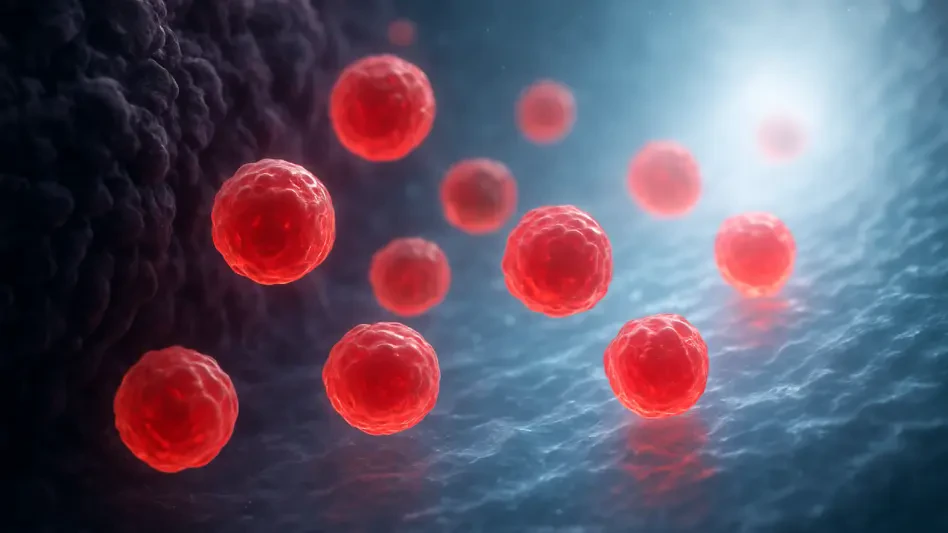
To bridge the gap in knowledge, the research team developed a sophisticated lineage-tracing model that could provide a historical record of a cell’s protein expression. Standard analytical techniques, such as flow cytometry or single-cell sequencing, only offer a momentary glimpse into the cell’s current state, making it impossible to determine if a healthy-looking memory cell was once in a state of exhaustion. The new method utilized a genetic “switch” that caused any cell expressing the LAG3 gene to permanently activate a fluorescent reporter. This meant that once a T cell became exhausted and produced LAG3, it would carry a permanent red glow for the rest of its existence, regardless of whether it later stopped producing the receptor. This temporal labeling allowed researchers to identify “ex-exhausted” cells that had successfully transitioned back to a more functional state. By following these labeled cells over several weeks, the team could observe their phenotypic changes.
Fluorescent Reporter Systems: Visualizing the Secret Lives of Cells
The application of this labeling system across murine models provided a clear visualization of how immune cells redistribute themselves following their encounter with a malignancy. The data showed that while many red-labeled cells did indeed remain within the tumor and eventually died off, a significant subset managed to leave the site. These cells were found in distal locations, including the spleen and various lymph nodes, where they appeared to be thriving. Most importantly, these migratory cells no longer exhibited the classical hallmarks of exhaustion; they had effectively rebooted their genetic programming. This transition from an exhausted effector cell to a rejuvenated memory cell suggests that the immune system possesses an inherent mechanism for salvaging experienced soldiers from the front lines. The discovery that these cells can physically exit the suppressive tumor environment and regain their vigor provides a new target for therapeutic enhancement in future medical protocols.
Beyond the Tumor Border: The Discovery of Cellular Migration
The movement of these cells from the tumor to the circulatory system marks a significant departure from traditional immunological theories. It was once thought that the physical and chemical barriers created by tumors were essentially a one-way street, trapping immune cells until they were exhausted. However, the evidence now indicates that some cells utilize specific signaling pathways to navigate out of the malignant tissue and back into the lymphatic system. Once removed from the constant antigenic stimulation and the nutrient-deprived conditions of the tumor, these cells undergo a process of functional restoration. They begin to resemble central memory T cells, which are known for their longevity and their ability to rapidly proliferate upon re-exposure to a threat. This migration appears to be a survival strategy, allowing the immune system to preserve a reservoir of T cells that have learned the specific characteristics of the tumor for better protection of the host.
Functional Restoration: Reclaiming the Power of Immune Memory
The divergence between the cells that remain and those that escape highlights a critical crossroads in the life of a T cell. Those that stay within the tumor are subjected to relentless signaling that eventually leads to a state of profound epigenetic scarring, making recovery impossible even if the tumor is removed. In contrast, the cells that manage to exit early enough retain sufficient plasticity to reprogram themselves. This suggests that there is a golden window of time during which an exhausted cell can still be saved. The factors that determine whether a cell stays or leaves are currently being investigated, but they likely involve a combination of metabolic fitness and localized chemokine gradients. This new understanding shifts the focus of cancer research toward identifying the triggers that encourage cellular egress. If clinicians can facilitate the exit of these plastic cells, they might be able to boost the natural production of high-quality central memory cells.
Preventing Disease Recurrence: The Role of Rejuvenated Cells
The most compelling aspect of this research lies in its potential to prevent the return of cancer after successful initial treatment. To test the functional capacity of the ex-exhausted cells, researchers performed experiments where tumors were surgically removed, and the mice were later challenged with the same cancer. The results were definitive: the mice that possessed the rejuvenated memory cells were able to reject the new tumor growth, while those lacking these specific cells succumbed to the disease. This confirms that the cells which once appeared exhausted are, in fact, the primary architects of long-term immunity and relapse prevention. These cells possess a unique advantage because they have already been primed by the initial tumor, giving them a faster and more targeted response than newly formed immune cells. This finding suggests that the durability of a patient’s remission may depend on the health and quantity of this salvaged cell population during recovery.
Long-Term Surveillance: The Strategic Importance of Salvaged T Cells
Integrating these insights into clinical practice could lead to the development of a new class of exit-promoting therapies. Current checkpoint inhibitors focus on keeping T cells active within the tumor, but future strategies might combine these with agents that encourage the migration of T cells to the lymph nodes to become memory cells. This dual approach would aim to maximize immediate tumor destruction while simultaneously securing the patient’s long-term safety. Additionally, monitoring the presence of these ex-exhausted memory cells in a patient’s blood could serve as a valuable biomarker for predicting the risk of relapse. If a patient lacks a sufficient population of these rejuvenated cells after surgery or chemotherapy, they might require additional treatments to bolster their immune memory. This personalized approach to oncology would allow doctors to treat cancer not just as a localized growth, but as a systemic condition that requires a lifelong defense strategy.
Strategic Pathways: Future Considerations for Permanent Remission
Scientists successfully demonstrated that the fate of an immune cell was not set in stone upon entering a tumor. This shift in perspective prompted a reevaluation of how immunotherapy should be structured to ensure lasting patient health. Moving forward, the focus shifted toward identifying the specific molecular cues that govern cellular migration out of the tumor microenvironment. Research prioritized the development of pharmacological agents that could stabilize the plasticity of exhausted T cells, preventing them from reaching the point of terminal failure. Clinicians integrated advanced lineage-tracing diagnostics to assess the quality of a patient’s immune memory following primary treatment. By fostering the transition of exhausted cells into memory populations, the medical community effectively turned the tide against cancer recurrence. The realization that exhaustion was a reversible crossroads allowed for a more optimistic outlook on achieving permanent remission across various cancers.