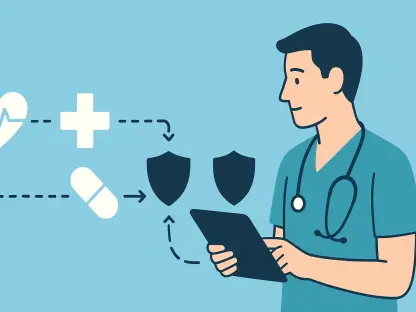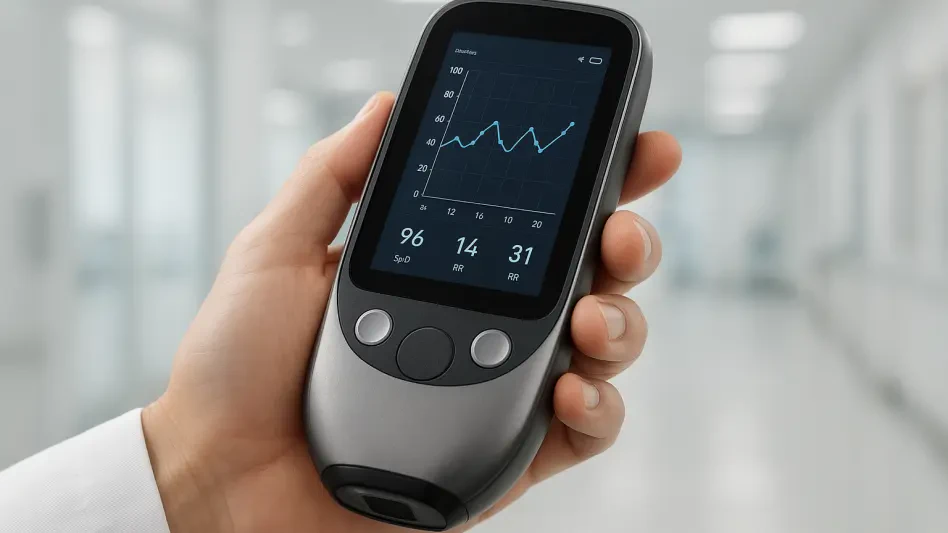

The traditional laboratory model, once the immovable cornerstone of clinical diagnostics, has finally yielded to a decentralized reality where silicon and sensors provide answers in the palm of a hand. In the current year, 2026, the convergence of Artificial Intelligence (AI) and Point-of-Care Testing (POCT) has migrated from an experimental luxury to a fundamental clinical necessity. This review examines how the healthcare sector and clinical research organizations have restructured their operations around a software-defined ecosystem that prioritizes speed and data-driven precision over legacy centralized processing. By moving the diagnostic “brain” directly to the patient’s side, the industry has effectively dismantled the logistical barriers that once slowed medical intervention and drug development to a crawl.
This technological evolution is not merely about miniaturizing laboratory equipment but involves a fundamental shift in how diagnostic data is interpreted and utilized. Historically, diagnostics were hindered by the “translational gap,” where the time between sampling and results created a disconnect in patient care. The emergence of AI-enhanced POCT has bridged this gap by integrating digital health, wearable biosensors, and traditional biochemistry into a single, responsive framework. In the broader landscape, this development signifies the transition of diagnostics from a reactive, event-based tool to a continuous, proactive monitoring system that is as much about data science as it is about clinical chemistry.
Introduction to AI-Enhanced Point-of-Care Testing
Artificial Intelligence-enhanced Point-of-Care Testing represents the critical fusion of machine learning algorithms with portable diagnostic hardware. This integration allows for sophisticated data processing at the site of patient care, whether that be a hospital bedside, a local clinic, or a patient’s own home. In the current 2026 landscape, these devices have moved beyond simple binary results—such as “positive” or “negative”—to provide deep, quantitative insights that were previously only available through high-throughput laboratory analyzers. The underlying technology utilizes advanced signal processing to filter noise and enhance the sensitivity of biosensors, making high-fidelity diagnostics accessible in any environment.
The relevance of this technology is highlighted by its ability to function as a bridge between the physical and digital aspects of healthcare. While traditional POCT often suffered from human error and subjective interpretation, the addition of an AI layer ensures that every result is standardized and validated against massive global datasets. This creates a more reliable and data-driven healthcare environment where clinicians can make immediate, high-stakes decisions with the confidence that the data is as accurate as a centralized lab report. Consequently, the technology has become a cornerstone for modern clinical strategies that demand rapid turnaround times and high participant engagement.
Core Technical Components and System Features
Advanced Machine Learning Architectures for Data Interpretation
Modern diagnostic devices now utilize sophisticated machine learning layers that function as the interpretive engine for physical sensors. These architectures are specifically trained to analyze complex, multi-layered datasets, such as the subtle colorimetric shifts on a test strip or the fluctuating electrical signals from a smartphone-connected biosensor. By employing computer vision and pattern recognition, these systems can detect patterns that are invisible to the human eye, such as the early, faint indicators of a viral load or a specific protein marker. This level of precision effectively eliminates the variability and subjectivity that plagued manual visual assessments in the past.
Furthermore, these ML architectures are increasingly autonomous, capable of self-calibration and error correction without manual intervention. This ensures that the diagnostic tool remains accurate even when operated by individuals with minimal clinical training. The system interprets the raw data in the context of the patient’s existing profile, identifying not just a result but its clinical significance. This shift from simple data reporting to intelligent interpretation is what distinguishes modern AI-enhanced POCT from its predecessors, making it a powerful tool for both routine screening and complex clinical monitoring.
Integrated Wearable Biosensors and Real-Time Monitoring
The integration of AI with wearable biosensors has transformed diagnostic testing from a series of snapshots into a continuous stream of physiological information. Devices such as continuous glucose monitors, smart ECG patches, and bio-wearable sensors now function as a persistent safety net for the patient. Rather than relying on a single data point collected during a clinic visit, these systems generate high volumes of longitudinal data that reflect the patient’s health in real-time. The AI component of these devices performs constant anomaly detection, scanning the data for subtle deviations that could precede a medical emergency or an adverse reaction to a new medication.
This constant vigilance allows for immediate intervention, moving patient management from a reactive posture to a proactive one. In clinical trial settings, this is particularly valuable because it allows researchers to see the immediate impact of a drug on a patient’s physiology throughout the day, rather than just during a scheduled follow-up. The data is automatically uploaded to a cloud-based infrastructure, where it can be cross-referenced with other biometric markers. This integration ensures that any physiological shift is viewed within a holistic context, providing a more comprehensive understanding of the patient’s health status than was ever possible through intermittent lab tests.
Emerging Trends and Technological Innovations
A prominent trend in 2026 is the movement toward “software-defined diagnostics,” where the intelligence of the algorithm is considered more valuable than the physical hardware of the device. This approach allows manufacturers to update the diagnostic capabilities of a tool simply by pushing a software patch, rather than requiring a hardware recall or upgrade. Furthermore, the adoption of federated learning architectures has addressed one of the most significant hurdles in digital health: data privacy. This architecture allows AI models to be trained and refined on decentralized data across thousands of individual devices without sensitive patient information ever leaving the local hardware, ensuring full compliance with global regulations.
Moreover, there is a distinct shift toward adaptive, biomarker-driven trial designs that rely on real-time data to steer the course of clinical research. Instead of sticking to a rigid, predetermined protocol, research teams now use the immediate feedback from AI-enhanced POCT to make interim decisions. This might include adjusting the dosage for a specific participant group or even stopping a trial arm early if the real-time data suggests it is ineffective. This transition toward “living protocols” is made possible only by the high-speed, high-accuracy data streams generated by the current generation of diagnostic technologies, representing a fundamental change in the philosophy of clinical experimentation.
Real-World Applications in Clinical Research and Operations
Acceleration of Clinical Trial Enrollment and Execution
One of the most immediate impacts of AI-enhanced POCT is the removal of the recruitment bottlenecks that have historically delayed pharmaceutical development. By enabling laboratory-grade testing at the initial point of contact, clinical operations teams can screen and randomize patients in minutes rather than waiting days for external lab results. This is especially critical in acute care trials, such as those for sepsis or stroke, where the window for effective treatment is extremely narrow. The ability to identify eligible patients and start their treatment immediately has significantly improved the success rates of these time-sensitive studies.
Beyond simple screening, the technology automates the matching of patients to specific trial protocols by cross-referencing real-time diagnostic data with eligibility criteria. This reduces the administrative burden on study coordinators and minimizes the risk of human error in the enrollment process. By streamlining the “front end” of clinical research, AI-enhanced POCT has effectively shortened the overall duration of trials, allowing life-saving therapies to reach the market faster. The current 2026 standard for enrollment efficiency is now defined by the speed of these digital tools rather than the capacity of a central laboratory.
Decentralized Clinical Trials and Patient-Centric Operations
The shift toward Decentralized Clinical Trials (DCTs) is perhaps the most significant structural change in modern medicine, and AI-enabled diagnostics are the primary driver of this trend. By moving diagnostic capabilities into the patient’s home or a local pharmacy, the industry has removed the geographical barriers that previously limited trial participation to those living near major medical centers. This decentralization has not only increased the diversity of trial populations but also reduced the “patient burden,” leading to higher retention rates. Participants no longer need to travel long distances for routine blood work or physiological monitoring, as the technology brings the laboratory to them.
Additionally, AI-driven engagement tools utilize reinforcement learning to personalize the way participants interact with their diagnostic devices. These systems learn the habits and preferences of each individual, tailoring reminders and health prompts to maximize adherence to the trial protocol. If a patient forgets to perform a test or if their data shows a concerning trend, the system can automatically trigger a remote consultation with a clinician. This level of personalized, technology-enabled care has made clinical trials more inclusive and less intrusive, fundamentally altering the relationship between the researcher and the participant.
Challenges and Barriers to Widespread Adoption
Despite these advancements, the transition to a fully AI-integrated diagnostic landscape is not without its hurdles. Data harmonization remains a persistent technical challenge, as different POC devices often generate data in fragmented or proprietary formats. Ensuring that information from a wearable patch in Europe can be seamlessly integrated with data from a handheld analyzer in North America requires a level of standardization that the industry is still working to perfect. Without clean, structured data, the potential for AI to provide truly global insights is limited, making data interoperability a top priority for clinical operations teams.
There are also significant regulatory and psychological barriers to overcome. Regulatory bodies like the FDA require rigorous proof of the diagnostic validity of AI algorithms, particularly those that use “black box” machine learning models where the decision-making process is not entirely transparent. Furthermore, a “trust gap” still exists among some clinicians and patients who may be skeptical of a machine making critical health decisions. Overcoming these concerns requires not only better technology but also a commitment to transparency and education, ensuring that all stakeholders understand how these algorithms arrive at their conclusions and why they can be trusted.
Future Outlook and Long-Term Impact
The trajectory of AI-enhanced POCT suggests that the traditional “snapshot” model of healthcare will soon be entirely obsolete. We are moving toward a future where healthcare is a continuous, background process, driven by real-time data streams that monitor every aspect of a patient’s physiology. We can anticipate significant breakthroughs in multi-omic point-of-care testing, where AI integrates genomic, proteomic, and lifestyle data at the bedside. This will allow for a level of personalized medicine that was once theoretical, enabling clinicians to prescribe treatments based on the specific molecular signature of a patient’s disease in the moment it is diagnosed.
Long-term, this technology will likely narrow the translational gap between laboratory discovery and patient access on a global scale. By providing low-cost, high-accuracy diagnostics to underserved regions, AI-enhanced POCT has the potential to democratize healthcare in a way that traditional laboratory models never could. The ability to respond to global health crises with unprecedented speed and precision will become the new standard, as localized diagnostic data can be aggregated in real-time to track the spread of disease and the effectiveness of interventions across entire continents.
Summary and Final Assessment
The integration of artificial intelligence into point-of-care diagnostics redefined the speed at which clinical evidence was generated and utilized. By moving away from centralized, laboratory-heavy models, the healthcare sector successfully reduced the logistical friction that previously slowed patient care and trial enrollment. The development of software-defined diagnostics allowed for a more flexible and responsive research environment, where real-time data dictated clinical decisions. This shift facilitated the rise of decentralized trials, which significantly improved participant diversity and retention by removing geographical and travel-related barriers.
To capitalize on these advancements, clinical operations professionals developed robust data pipelines that prioritized interoperability and regulatory compliance. They recognized that the value of the diagnostic tool was increasingly tied to the reliability of the underlying AI algorithms. Strategic collaborations between developers and clinicians ensured that these systems remained transparent and trustworthy. Ultimately, the industry moved toward a more inclusive and efficient ecosystem, where the focus shifted from collecting snapshots of data to managing continuous streams of health information. This proactive approach laid the groundwork for the next generation of personalized medicine and rapid clinical discovery.