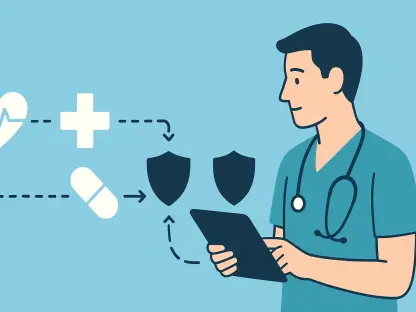

Akido utilizes a network of super users to advocate for internal tools and demonstrate the practical benefits of automated systems within a demanding medical environment. This strategic deployment serves as a bridge between complex algorithmic capabilities and the daily operational needs of clinicians who find themselves overwhelmed by administrative burdens. By focusing on these early adopters, the organization ensures that technological advancements are functional assets that alleviate the friction of patient care. The integration of artificial intelligence within this framework acts as a silent partner, handling the heavy lifting of data synthesis while allowing medical professionals to return their focus to the patient. This shift represents a departure from traditional software implementations that required significant downtime or steep learning curves for staff. Instead, the current model prioritizes intuitive interfaces and real-time support, creating an ecosystem where technology serves the human element rather than dictating the pace of clinical interactions.
Operational Efficiency through Intelligent Automation
The current landscape of healthcare delivery requires a sophisticated approach to managing patient records and diagnostic information, where accuracy is as critical as speed. Akido addresses this by implementing machine learning protocols that categorize and prioritize incoming data points before a physician even enters the examination room. These automated systems are designed to identify subtle patterns in medical histories that might indicate early-stage chronic conditions, providing clinicians with actionable insights rather than just raw data. By automating the preliminary review process, the platform reduces the cognitive load on healthcare providers, which is essential in preventing burnout and maintaining high standards of care. This specific use of technology enables a more proactive healthcare model, moving away from reactive treatments toward personalized management plans. The result is a more synchronized environment where information flows seamlessly across departments, ensuring that every member of a care team is operating with the most current and comprehensive patient profile available.
Building on this foundation of data management, the platform incorporates natural language processing to transform verbal consultations into structured clinical notes without requiring manual data entry. This advancement allows doctors to maintain eye contact and engage deeply with patients, fostering a stronger therapeutic alliance that is often lost when screens dominate the room. The system captures the nuances of the conversation, automatically updating the electronic health record while highlighting key follow-up actions and medication changes discussed during the visit. This transition to ambient clinical documentation marks a significant milestone in reducing the administrative burden that has historically plagued the profession, where providers spend hours after shifts completing paperwork. By reclaiming this time, the system effectively increases the capacity of medical facilities without needing additional staffing, thereby improving the overall throughput of the system. The focus remains steadfast on ensuring that the technology is an invisible facilitator of better health outcomes.
Trust and Advancement: Securing the Future of Care
As medical organizations expand their digital footprints, the protection of sensitive health information remains a paramount concern that requires constant vigilance and sophisticated safeguards. Akido employs a multi-layered security architecture that utilizes decentralized data storage and real-time encryption to ensure that patient privacy is never compromised in the pursuit of efficiency. These protocols are designed to exceed current regulatory standards, providing a framework that anticipates potential vulnerabilities before they can be exploited by external threats. Transparency is a core component of this approach, with automated audit trails that track how data is accessed and utilized by the AI models to ensure accountability at every stage. This high level of security is not just a technical requirement but a foundational element in building and maintaining the trust of the individuals who rely on these systems for their care. By integrating these robust protections directly into the software’s core, the platform allows healthcare providers to focus on clinical excellence with the confidence that their patients’ most private information remains secure and confidential.
The successful integration of these automated systems established a clear precedent for how technology should function as a supportive pillar within the healthcare industry. Organizations that adopted these human-centric AI tools observed significant improvements in staff retention and patient satisfaction scores, proving that digital transformation is most effective when it focuses on the needs of the end-user. The focus shifted toward expanding these capabilities into remote patient monitoring and longitudinal care management to provide a continuous bridge between the clinic and the home. Medical facilities began prioritizing the training of specialized teams to oversee the refinement of these algorithmic tools, ensuring that they evolved in tandem with new discoveries. For administrators, the primary takeaway was the necessity of investing in scalable infrastructures that could support high-speed data processing without sacrificing security. By building on these successes, the industry ensured that future innovations prioritized the human connection at the heart of medicine.