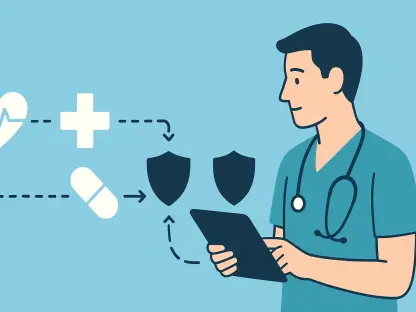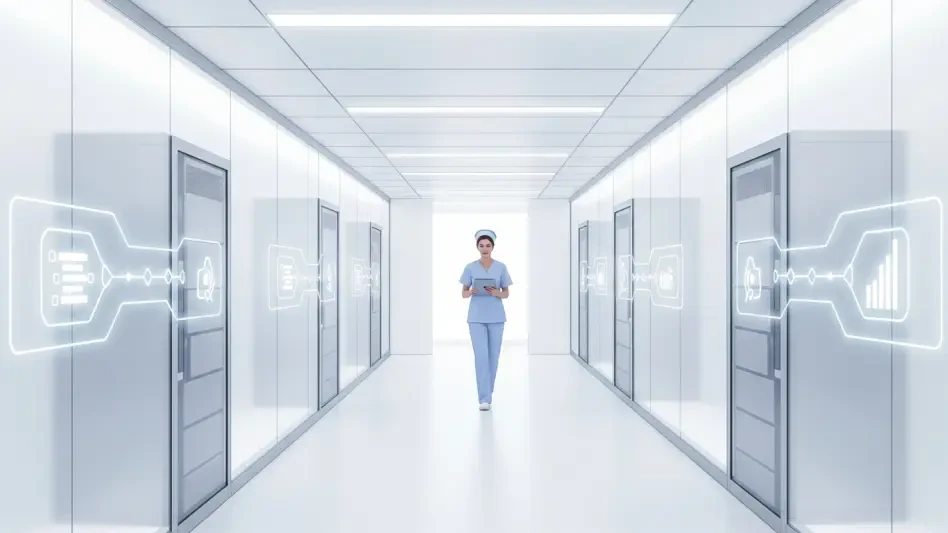

The rapid convergence of high-performance computing and clinical expertise has redefined the parameters of modern healthcare, transforming traditional medical facilities into sophisticated hubs of digital innovation. This evolution represents more than just the adoption of software; it signifies a fundamental shift toward an environment where every clinical decision is augmented by real-time data and robust IT infrastructure. Leading institutions now recognize that true clinical excellence is inseparable from the digital framework supporting it, necessitating a move away from siloed applications toward holistic, pervasive technology management.
The Evolution of Healthcare Through the Smart Hospital Revolution
The global shift toward digitally integrated medical environments is driven by the necessity to manage increasing patient complexity with greater precision. High-performance IT infrastructure serves as the essential foundation for this transition, acting as the silent engine behind modern clinical success. When a facility achieves the highest levels of digital maturity, it effectively functions as the intersection of medical mastery and advanced engineering, where technology is no longer an external tool but an intrinsic part of the healing process.
Defining the scope of Stage 7 maturity in a global context requires looking beyond basic electronic records. It involves a comprehensive assessment of how data flows across various departments and how seamlessly information is translated into actionable insights. At this level of maturity, hospitals are capable of leveraging massive datasets to predict patient needs and optimize resource allocation, ensuring that the facility remains resilient under the pressures of modern healthcare demands.
Technological Transformation and Market Growth Indicators
The Shift Toward AI-Driven Clinical Operations and Pervasive IT
The transition from deploying basic digital tools to integrating sophisticated artificial intelligence marks a significant turning point for large-scale clinical operations. Modern hospitals are increasingly faced with GPU-intensive workloads that require massive processing power to handle complex medical imaging and genomic data. As clinical data processing becomes more central to daily operations, the role of pervasive IT management emerges as a critical strategy for aligning technology investments with organizational workflows.
Consumer expectations have also evolved, with patients now demanding seamless, data-driven experiences that mirror the convenience of other digital industries. Meeting these expectations requires a move toward proactive engagement where technology anticipates patient needs before they arise. This alignment of digital infrastructure with the patient journey ensures that technology enhances, rather than hinders, the personal connection between clinicians and those they serve.
Global Benchmarking and Performance Metrics for Digital Maturity
Utilizing standardized maturity models, such as INFRAM and EMRAM, provides healthcare leaders with a clear roadmap for measuring digital success and identifying gaps in infrastructure. These benchmarks offer a structured way to evaluate how well a facility supports data mobility and clinical decision-making. Recent market growth projections suggest that the smart hospital sector will continue to expand as more providers realize that digital maturity is a prerequisite for long-term financial and operational sustainability.
Case studies from top-tier institutions demonstrate that reducing system latency and optimizing physical space are directly linked to improved patient care. By analyzing real-time clinical system logs and user activity, administrators can pinpoint inefficiencies and reallocate resources to where they are most needed. These performance indicators serve as vital signs for the hospital’s digital health, allowing for continuous refinement of the technological landscape.
Navigating Infrastructure Challenges and Performance Bottlenecks
Maintaining medical continuity during large-scale digital migrations is one of the most significant challenges facing modern healthcare providers. Relocating data centers or upgrading core systems often carries the risk of clinical downtime, which can have direct consequences for patient safety. Successful institutions overcome these hurdles by implementing rigorous fail-safe protocols and phased migration strategies that minimize disruptions to the frontline staff.
Overcoming hardware limitations is equally important to support the next generation of medical imaging and AI-driven diagnostics. By consolidating servers and transitioning to more efficient hardware, hospitals can reclaim valuable physical space that was previously dedicated to technology. This space can then be transformed into direct patient care areas, demonstrating how infrastructure optimization contributes to the hospital’s primary mission of healing.
The Regulatory Landscape and the Shift to Predictive Cybersecurity
As digital ecosystems grow more complex, adhering to global standards for digital imaging and electronic records becomes a regulatory necessity. However, compliance is only the starting point; the real goal is to move from a reactive security posture to a model driven by predictive intelligence. Modern cybersecurity requires a shift toward AI-enabled Security Information and Event Management systems that can detect and neutralize threats before they impact clinical outcomes.
Developing adaptive security protocols involves prioritizing protections based on the criticality of different clinical services. Rather than applying a one-size-fits-all approach, institutions are now weighting their security responses according to the potential risk to patient health. This nuance ensures that the most sensitive systems receive the highest level of vigilance while maintaining the operational flexibility required in a high-speed medical environment.
Future Horizons: The Next Frontier of Autonomous Healthcare Systems
Predicting the influence of autonomous IT management on healthcare delivery suggests a future where systems are largely self-optimizing and self-healing. Emerging technologies like 5G and edge computing will likely play a pivotal role in this transformation, providing the low-latency connectivity needed for real-time data analytics. As global economic shifts influence innovation investments, the focus will likely remain on technologies that provide the greatest return in terms of both clinical efficiency and patient safety.
The ultimate objective is to move toward a silent partner model where technology invisibly enhances clinical workflows. In this scenario, the digital environment handles the administrative and technical burdens, allowing doctors and nurses to focus entirely on their patients. This invisible integration will be the hallmark of the next generation of smart hospitals, where the complexity of the underlying systems is matched only by the simplicity of the user experience.
Establishing a Sustainable Path for Global Healthcare Innovation
Samsung Medical Center’s digital maturity milestones provided a blueprint for how a robust infrastructure could effectively support the widespread adoption of artificial intelligence. Leaders at the institution demonstrated that a successful digital transformation required more than just financial investment; it demanded a strategic commitment to operational continuity and data-driven management. The organization utilized its high-performance IT framework to reduce system latency and enhance the overall speed of clinical service delivery.
Healthcare providers pursuing smart hospital status prioritized the alignment of their IT capabilities with the specific needs of their clinical teams. Strategic recommendations emphasized the importance of using operational data to refine management practices and improve cybersecurity resilience. Ultimately, the transition toward a data-driven facility ensured that the institution remained at the forefront of medical innovation, providing a sustainable model for others to follow in the pursuit of clinical excellence and patient-centered care.