
A single misstep in a hospital corridor often represents a systemic failure rather than a simple accident, potentially resulting in catastrophic outcomes that fundamentally alter the life of a patient and the reputation of the facility. To truly protect those under clinical supervision, healthcare organizations must move beyond reactive models that only address hazards after an incident has occurred. This transition requires a comprehensive overhaul of organizational culture, clinical protocols, and the way technology is utilized to identify risks in real-time. By prioritizing safety as an integrated core value, facilities can create a resilient environment where prevention is woven into every interaction. The shift toward a proactive stance is not merely a policy change but a fundamental reimagining of patient care delivery. When safety measures are treated as a foundational element of the healing process, the entire healthcare system gains the stability needed to provide high-quality outcomes for a diverse population.
The Cascading Effects: Clinical and Economic Impacts of Instability
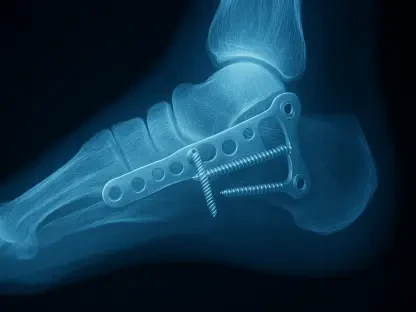
The physical consequences of a fall often extend far beyond the immediate injury, initiating a downward spiral that can permanently compromise a patient’s mobility and independence. Fractures, head traumas, and soft tissue injuries are frequent results that necessitate additional surgical interventions and extended rehabilitation periods. Beyond the physical damage, the psychological impact of a fall is equally devastating, as patients often develop a profound fear of moving again. This loss of confidence frequently leads to self-imposed activity restrictions, which in turn causes muscle atrophy and a further decline in balance and strength. Consequently, the recovery process is significantly stalled, transforming a routine hospital stay into a long-term challenge for both the patient and their family. Without targeted interventions to rebuild this lost confidence, the patient remains at an elevated risk for future incidents even after they are eventually discharged from the hospital.
Simultaneously, the healthcare system bears a staggering financial and operational burden when patient falls occur with regularity across its various departments. Extended hospital stays required to treat fall-related injuries occupy beds that could otherwise be used for new admissions, creating bottlenecks in emergency departments and surgical schedules. The direct costs associated with additional diagnostic imaging, specialized nursing care, and potential legal liabilities put immense pressure on hospital budgets. Furthermore, the nursing staff experiences heightened physical demands and increased levels of burnout when they must manage the complex needs of an injured patient while maintaining their standard duties. This strain on human resources often leads to decreased morale and a higher turnover rate among frontline caregivers, which ultimately compromises the overall quality of care delivered across the facility. When a facility fails to mitigate these risks, the resulting inefficiencies ripple through the entire organization.
Strategic Modernization: Implementing Advanced Tools and Leadership
Traditional fall prevention strategies have historically relied on manual observations and inconsistent risk assessment tools that often fail to capture the dynamic nature of a patient’s condition. These outdated methods frequently lead to siloed communication where critical information about a patient’s mobility status is not shared effectively between different shifts or departments. In many cases, facilities have focused on addressing falls only after they happen, creating a culture of reaction rather than one of vigilance. This historical gap leaves both patients and caregivers vulnerable to preventable accidents that could have been avoided with better data integration. Modernizing these systems requires a departure from subjective evaluations in favor of standardized, evidence-based protocols that are applied consistently across the entire care continuum. By moving away from manual processes, organizations ensure that every member of the care team is informed and empowered to act on hazards.
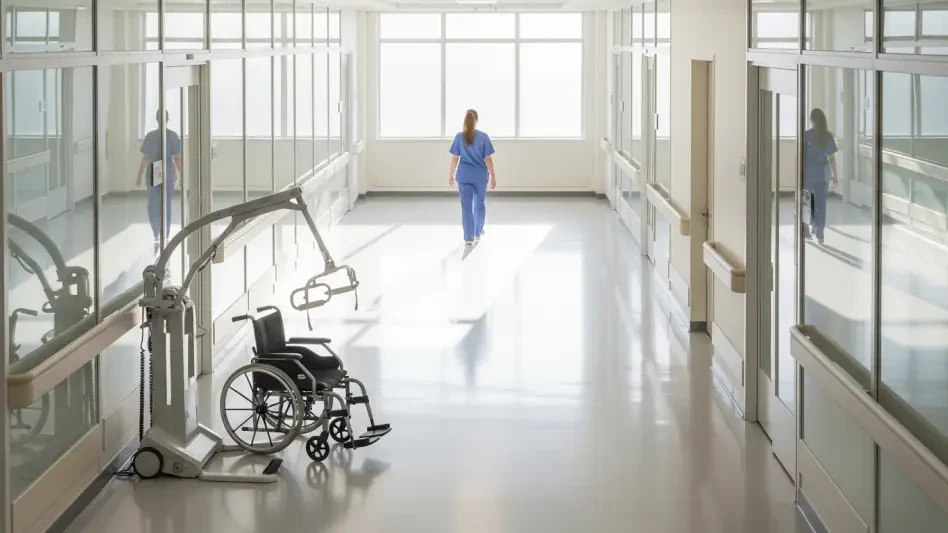
A robust prevention framework rests on the strategic integration of specialized technology and continuous, data-driven assessments that adapt to a patient’s changing needs. Modern facilities increasingly utilize assistive tools such as electric patient lifts and smart bed sensors that provide real-time alerts to nursing stations when a high-risk patient attempts to move unassisted. These technologies reduce the physical burden on staff while providing a constant layer of protection that manual rounds cannot achieve. Additionally, personalized mobility planning ensures that safety measures are tailored to the specific physical and cognitive state of each individual, rather than applying a generic checklist. Ongoing staff education remains a vital component of this strategy, as it ensures that caregivers are proficient in using new tools and understanding the indicators of increased fall risk. This integrated approach ensures that safety is an active, evolving component of the unique recovery trajectory.
The successful modernization of healthcare safety systems required a decisive commitment from leadership to embed fall prevention into the organizational DNA. By treating safety as a shared responsibility rather than a mere compliance exercise, institutions fostered an environment where every staff member remained vigilant. Facilities that prioritized the procurement of advanced assistive technologies and the implementation of real-time monitoring witnessed a marked decrease in incident rates. These organizations also invested heavily in comprehensive training programs that empowered the workforce to intervene before a crisis occurred. Looking forward, the focus shifted toward refining these predictive models and expanding the use of automated data analytics to further personalize patient care. This systematic transformation not only protected the most vulnerable patients but also stabilized the operational and financial health of the institutions. The standard of clinical excellence reached new heights.