
Every year, healthcare systems across the country celebrate National Nurses Week with awards, catered lunches, and professional development seminars, yet these gestures often feel hollow to frontline staff facing systemic operational failures. While these celebrations aim to highlight the “Power of Nurses,” they frequently fail to address the core issue of a profound disconnect between ceremonial appreciation and the daily lived reality of nursing, where outdated infrastructure makes even routine tasks unnecessarily difficult. Although staffing shortages and compensation disputes often dominate the national headlines regarding the nursing crisis, a less visible but equally damaging factor is the breakdown of internal hospital communication. Modern nursing has evolved into a high-stakes, highly mobile profession, yet the internal strategies used by many facilities have remained remarkably static. This creates a friction-filled environment where nurses are often forced to choose between patient care and searching for vital info.
The Operational Failure: Outdated Tools in a Mobile Environment
Traditional communication methods in hospitals are plagued by latency and information overload, creating an environment where staff are often the last to know about vital updates. Because nurses are rarely sitting at a desk, they frequently miss time-sensitive messages or find themselves sifting through long, undifferentiated updates to find the information relevant to their specific shift. Statistics indicate that a significant number of nurses only learn about policy or procedural changes after they have already taken effect. This lack of real-time information does not just frustrate staff; it actively hinders their ability to provide efficient care. When a nurse must leave a patient’s bedside to check a central terminal for a protocol update, the system has failed. The current reliance on static technology forces a high-speed workforce to operate at the pace of an office clerk, leading to a massive drain on productivity and an increase in the cognitive load required to navigate the day.
The mismatch between the mobile nature of nursing and the static nature of office-centric tools leads to a fragmented work experience that erodes professional morale. When communication is decoupled from the actual events occurring on the hospital floor, nurses must spend excessive time tracking down updates and clarifying instructions from various disconnected sources. This operational drag creates a sense of professional alienation, as staff feel they are fighting against their own workplace tools rather than being supported by them. The reliance on physical bulletin boards, shared email accounts, and intranet portals assumes that employees have the luxury of time to digest information, which is rarely the case in a trauma center or a busy medical-surgical unit. Without a shift toward more agile and contextual communication, the gap between hospital leadership and the frontline will only continue to widen, making it nearly impossible to implement new safety protocols or operational changes.
The Tangible Consequences: Patient Safety and Medical Errors
The consequences of poor communication extend far beyond administrative frustration, posing a direct and measurable threat to patient safety across the healthcare continuum. Research shows that a vast majority of nurses have experienced patient care issues—ranging from treatment delays to significant medical errors—that were directly tied to communication failures within their teams. These lapses often occur during shift handoffs or when critical protocols are not updated in a timely manner, leaving gaps that can lead to catastrophic outcomes. In a high-pressure clinical environment, the difference between a successful outcome and a safety violation often depends on how quickly and accurately information is shared among the care team. When information is buried in a long email or posted on a wall in a breakroom, the risk of missing a life-saving instruction increases, turning a simple administrative oversight into a clinical crisis that affects the hospital’s primary mission of delivering safe care.
Beyond the immediate clinical risks, the psychological toll of being “out of the loop” serves as a primary driver of the ongoing burnout crisis that continues to plague the industry. Nurses consistently rank better communication and feeling cared for as top priorities when evaluating their employers and deciding whether to remain in their current roles. When communication is fragmented, it adds a layer of unnecessary stress to an already demanding job, leading to chronic exhaustion and high turnover rates that further strain the system. Conversely, a robust and transparent communication strategy fosters a sense of belonging and empowers nurses to work at the top of their license by providing the certainty they need to make decisions. When a nurse feels informed and supported by the organization’s infrastructure, they are more likely to engage with their work and remain committed to their facility, making communication one of the most effective tools for long-term staff retention.
Modernizing Infrastructure: Supporting the Frontline Workforce
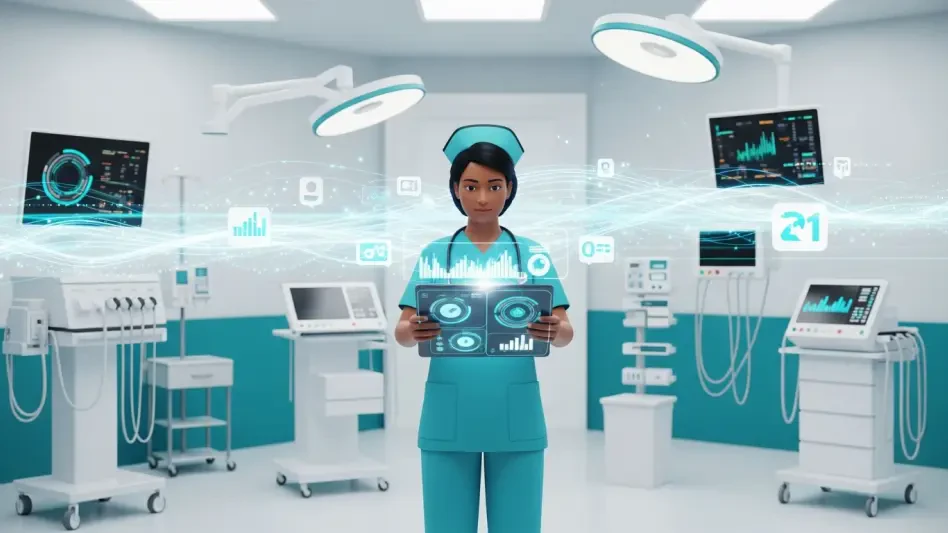
To solve the communication crisis, hospitals must address the structural mismatch between their high-tech clinical systems and their obsolete internal messaging tools. While health systems have invested billions into Electronic Health Records and real-time monitoring, internal organizational data is often still delivered via slow-moving, 20th-century channels that do not reflect modern needs. Closing this gap requires a move toward mobile-first platforms that meet nurses where they are: at the bedside and on the move. By prioritizing relevance and personalization, hospitals can ensure that nurses receive only the updates applicable to their specific role, unit, and shift, thereby reducing notification fatigue. Modern tools should allow for targeted messaging that reaches the right person at the right time, ensuring that a pediatric nurse is not distracted by updates meant for the surgical department, which streamlines the flow of information and restores focus to patient interaction.
Ultimately, effective hospital communication should be viewed as a vital component of clinical infrastructure rather than a secondary administrative task relegated to human resources. Modernizing these systems involves more than just buying new software; it requires a strategic focus on workflow integration and leadership visibility to ensure messages are actually understood. When communication tools are integrated into the daily workflow, they enable faster decision-making and more consistent care by removing the barriers that currently exist between staff and information. For hospital administrators, the most profound way to support nursing staff is to provide them with the functional, efficient tools they need to succeed in an increasingly complex healthcare landscape. By treating communication as a clinical necessity, organizations can reduce the friction that leads to burnout and create an environment where nurses are truly empowered to deliver the high-quality care that patients deserve.
Strategic Integration: Transitioning toward Clinical Communication Excellence
Achieving a state of communication excellence required a fundamental shift in how hospital leadership perceived the value of internal connectivity and data flow. Administrators recognized that the most effective way to honor their nursing staff involved removing the digital roadblocks that hindered their performance on a daily basis. They implemented mobile-first communication platforms that provided role-based updates, ensuring that every nurse had instant access to the protocols and patient data necessary for their specific shift. By moving away from centralized, desk-bound systems, these organizations successfully reduced the time nurses spent away from the bedside, directly improving the quality of patient engagement. This transition proved that when technology was designed to mirror the movement of the workforce, it acted as a force multiplier for efficiency rather than a source of frustration, paving the way for a more resilient and satisfied nursing staff that felt genuinely supported by their facility.
The conclusion of this initiative demonstrated that treating communication as clinical infrastructure was the most effective strategy for stabilizing the nursing workforce. Hospital systems moved beyond ceremonial appreciation and invested in tools that fostered real-time collaboration and transparency across all departments. Leaders tracked engagement metrics to ensure that critical safety updates reached the frontline, which significantly decreased the incidence of communication-related medical errors. This proactive approach addressed the root causes of professional alienation and provided a clear path forward for other institutions struggling with high turnover rates. By prioritizing functional, modern, and relevant information delivery, healthcare organizations transformed the workplace into an environment where nurses could focus entirely on healing. The focus shifted toward creating a sustainable operational framework that valued the nurse’s time and expertise as much as the clinical outcomes they were tasked with achieving.