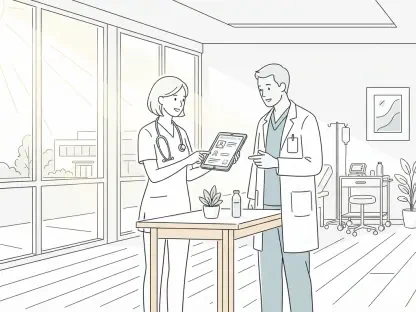

In the modern healthcare environment, the electronic medical record often serves as a silent third party that dictates the flow of a clinical encounter before a provider even steps into the examination room. While these digital systems are essential for maintaining comprehensive data and tracking long-term health metrics, they frequently prioritize algorithmic efficiency over the immediate human experience of the person seeking care. When a practitioner enters a room and immediately focuses on resolving red flags or missing data points prompted by a screen, a fundamental disconnect occurs between the clinical objective and the patient’s lived reality. This mechanical approach risks transforming a therapeutic relationship into a mere data entry exercise, which can alienate individuals who may already feel marginalized or ignored by complex institutional structures. By intentionally pausing the systemic agenda to allow the patient’s own voice to lead the interaction, clinicians can bridge the gap between technical requirements and authentic human connection, ultimately fostering an environment where medical advice is not only given but actually received and implemented.
1. Prioritizing the Immediate Concerns of the Patient: The Power of Listening
The most critical moment of a medical visit occurs within the first few seconds of interaction when the practitioner chooses whether to follow the intake notes or the actual person sitting on the table. Even if preliminary data suggests a routine follow-up for a chronic condition like hypertension, asking a truly open-ended question allows the patient to disclose what is truly weighing on their mind at that specific moment. Oftentimes, what a patient tells a receptionist or a medical assistant is merely a safe or socially acceptable answer, while the actual reason for the visit involves something more sensitive or distressing that they have saved for the provider. By addressing a seemingly minor issue like a skin irritation or a mild ache first, the clinician demonstrates that the patient’s self-knowledge is valued and that their comfort is the primary goal of the session. This validation creates a psychological safety net, ensuring that the individual feels seen as a human being rather than a collection of symptoms or a set of checkboxes on a monitor.
Resolving these immediate, patient-defined priorities serves as the foundational step in building the clinical trust necessary for more complex long-term management strategies later in the appointment. If a patient arrives with a specific worry and finds that the provider is instead fixated on unrelated laboratory results or preventative screenings, the resulting frustration can lead to a total breakdown in communication. The patient may perceive the provider as dismissive, which often results in a lack of adherence to subsequent medical advice or a refusal to return for future appointments. Conversely, when the clinician takes the time to thoroughly investigate and validate the patient’s primary concern, they are essentially making a deposit into a bank of mutual respect. This perceived partnership transforms the dynamic from a top-down authority model to a collaborative effort where the patient feels empowered to participate in their own health journey. Consequently, the time invested in addressing the immediate pain point pays dividends in the form of patient engagement and health literacy.
2. Leveraging Established Rapport: Addressing Medical Risks and Systems
Once the patient’s initial concerns have been addressed and validated, a window of opportunity opens for the clinician to pivot toward more pressing or dangerous medical issues that were flagged during intake. Having successfully navigated the patient’s agenda, the provider has earned the social capital necessary to introduce potentially alarming data, such as a dangerously high blood pressure reading or an abnormal result. At this stage, the shift in focus does not feel like an interruption or a dismissal of the patient’s needs, but rather like a concerned professional sharing a vital observation within a trusted partnership. This transition is most effective when the clinician explicitly connects the current safety concern to the trust already established, explaining why a specific clinical metric is worrying from a professional perspective. Because the patient has already felt the relief of being heard, they are significantly more likely to listen to the provider’s concerns with an open mind and a willingness to follow the recommended clinical path.
Advocacy within the healthcare system is another critical component of this phase, especially when patients face systemic barriers such as insurance denials or the high cost of necessary medications in 2026. A practitioner’s role extends beyond diagnosis; it involves actively helping the patient navigate the complexities of financial constraints to find attainable treatment paths that actually fit their lives. When a provider takes the time to discuss the actual cost of a medication or explores lower-cost alternatives after a brand-name drug is denied, they demonstrate a profound understanding of the patient’s daily reality. This level of transparency and support proves that the clinician is an ally who is willing to use their expertise to fight for the patient’s best interests within an often-unfriendly system. By addressing these practical obstacles head-on, the provider reinforces the trust built earlier in the visit, ensuring that the treatment plan is not just medically sound but also financially and logistically feasible for the individual.
3. Integrating Quality Metrics: Human Validation and Actionable Next Steps
The final portion of the clinical encounter should be dedicated to the various administrative tasks and quality metrics that are required by the broader healthcare system and insurance providers. These tasks, which include depression screenings, immunizations, and various preventative health referrals, are undoubtedly important for population health but should never be allowed to overshadow the personalized nature of the visit. When these requirements are saved for the end of the session, they are perceived as necessary housekeeping rather than the primary focus of the interaction, which preserves the patient’s sense of individual importance. If a session runs long because the patient’s primary concerns were complex, it is often more beneficial to defer non-urgent screenings to a follow-up appointment rather than rushing through them. This flexibility ensures that the patient never feels like a mere statistic or a means for the clinic to meet benchmarks, but rather a person whose total well-being is the ultimate priority.
The physical examination remains one of the most powerful and distinct tools in the clinician’s arsenal, serving as a vital form of human validation that no technological advancement in diagnostics can replace. In an era where data points and remote monitoring are increasingly common, the deliberate act of “laying on hands” during an assessment signaled a profound level of physical presence and care that resonated deeply with patients. Moving forward, healthcare systems sought to prioritize these tactile interactions alongside the digital efficiencies introduced in recent years to maintain a sense of human connection. To improve outcomes, practitioners began focusing on the physical assessment not just for data collection, but as a method to prove that the person before them was being seen as a whole human being. Actionable steps for future care involved integrating this physical validation with a commitment to patient-led agendas, ensuring that administrative goals remained secondary to human connection. This holistic shift allowed for a more resilient care model that relied on mutual respect to drive health improvements.