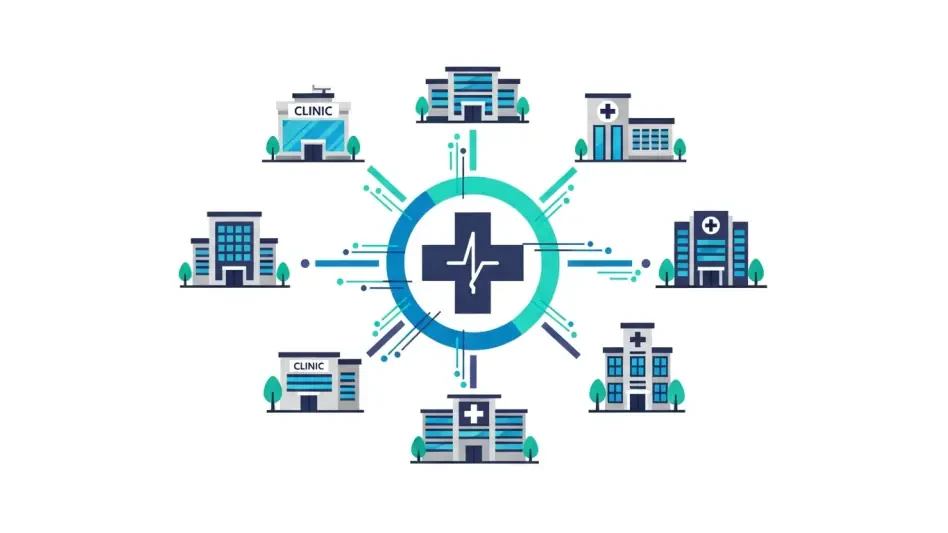

The realization that a patient’s life-saving medical data might be trapped in an inaccessible digital silo while they are receiving emergency treatment is a terrifying reality for many Canadians today. While the transition from paper-based charts to electronic formats was intended to streamline medical workflows, the result has been the creation of decentralized digital islands across provinces and territories. These isolated systems rarely communicate with each other, forcing healthcare providers to navigate a labyrinth of disconnected software to find critical information.
The root of this problem lies in the role of diverse software vendors who have historically operated without a standardized technical common language. Individual clinics and hospitals often selected proprietary platforms based on localized procurement strategies, unintentionally fostering a landscape where data cannot flow across jurisdictional or institutional borders. Consequently, clinicians are frequently denied the real-time access to diagnostic results and medication histories that is essential for delivering safe and effective care in specialized units.
Driving Innovation and Measuring the Cost of the Digital Divide
Emerging Technologies and the Evolution of Patient-Centric Data
Industry focus is finally shifting from simple digitization toward sophisticated, interoperable data exchange models that prioritize the patient journey. Modern Connected Care initiatives are gaining momentum as they seek to eliminate the archaic reliance on legacy systems, such as the persistent use of fax machines for transmitting sensitive medical documents. This evolution is driven by rising consumer expectations, as patients increasingly demand seamless access to their personal medical histories regardless of which province or territory they happen to be visiting.
Moreover, the modernization of primary care depends heavily on the successful integration of specialist consultations and laboratory results into a single view. By moving toward cloud-based infrastructures, the healthcare sector can ensure that a family physician has immediate visibility into the interventions performed at a distant hospital. This transition represents a fundamental change in how data is perceived, moving from a static record to a dynamic asset that supports longitudinal care.
Evaluating the Economic Burden and Performance Metrics of Connected Care
The financial consequences of maintaining a fragmented system are immense, with current estimates suggesting a $9.4 billion annual cost attributed to administrative inefficiencies and redundant testing. This economic burden is exacerbated by the constant need for manual data entry and the repetitive ordering of diagnostic procedures that have already been completed elsewhere. To address these gaps, the Connected Care Scorecard has been introduced to benchmark provincial performance, providing a clear metric for evaluating how well different regions are achieving interoperability.
Projected long-term savings are significant as diagnostic workflows become more streamlined and the digital health sector moves toward fully integrated infrastructures. Growth indicators suggest that as clinical systems become more unified, the time saved by healthcare professionals will translate into higher patient throughput and lower operational overhead. Investing in these digital connections is no longer seen merely as a technical upgrade but as a critical strategy for ensuring the fiscal sustainability of the national healthcare system.
Addressing the Structural and Technical Obstacles to Interoperability
Navigating the complexities of incompatible Electronic Health Record platforms remains a significant challenge, particularly in high-fragmentation zones like British Columbia. In these regions, a lack of coordination between community clinics and major health authorities has led to a technical debt that is difficult to erase. Furthermore, the fragmented nature of these data sets has created an AI Bottleneck, where the lack of standardized information prevents the large-scale deployment of predictive diagnostics and machine learning tools that could otherwise identify health risks before they become emergencies.
Overcoming these obstacles requires a concerted effort to replace obsolete communication technologies with universal data entry protocols. Successful models, such as the unified primary care platform implemented in Prince Edward Island, offer a blueprint for larger jurisdictions to follow. By ensuring that records follow the patient through every level of the healthcare hierarchy, PEI has demonstrated that it is possible to create a cohesive digital environment even within a complex administrative framework.
Strengthening the Regulatory Framework and Compliance Standards
The implementation of the Connected Care for Canadians Act marks a decisive shift in vendor accountability and the enforcement of data standards. This legislation is designed to mandate that private software providers adopt universal information exchange protocols, effectively ending the era of proprietary data locking. By establishing national oversight bodies to coordinate these efforts, the federal government aims to harmonize health data standards across all provincial borders, ensuring that a record created in one region is instantly readable in another.
Balancing this progress is the ongoing re-evaluation of the Privacy Paradox, which involves weighing absolute patient confidentiality against the urgent clinical need for data accessibility. While protecting personal information remains paramount, there is a growing recognition that an over-emphasis on privacy can lead to clinical harm if necessary data is withheld during a crisis. Policymakers are now developing compliance mandates that prioritize the safe and efficient movement of information, treating data connectivity as a fundamental component of patient safety.
Strategic Projections for a Unified National Health Data Infrastructure
Looking ahead, the shift toward population health management will allow authorities to use aggregated, high-quality data to predict disease outbreaks and manage hospital resources more effectively. Canada is increasingly looking to incorporate international best practices from global leaders like Taiwan, where integrated systems have already proven their value in managing public health crises. The integration of wearable health data and patient-generated records into clinical workflows is expected to be a major market disruptor, providing a more comprehensive view of individual health than traditional clinical visits alone.
Future growth in personalized medicine will be driven by the availability of longitudinal patient data sets that allow for tailored treatment plans based on a patient’s unique medical history and genetic profile. As the infrastructure matures, the ability to analyze trends across vast populations will enable more proactive interventions. This shift will likely transform the healthcare system from a reactive model to one that is focused on prevention and long-term wellness management.
Synthesizing a Roadmap for Sustainable Digital Health Reform
The examination of the current digital landscape revealed three essential pillars of reform: clear accountability for data holders, standardized financial incentives for clinicians, and a balanced privacy framework. It was determined that the investment potential in creating a cohesive national digital health identity was vast, offering the promise of both improved clinical outcomes and significant economic returns. Policymakers recognized that treating data connectivity as a clinical necessity was the only viable path toward ensuring long-term patient safety and system efficiency.
The transition from a fragmented network of digital silos to a unified ecosystem was viewed as a life-saving evolution for the Canadian medical community. The roadmap for reform emphasized that technical standards alone were insufficient without the political will to enforce them across all jurisdictions. Ultimately, the synthesis of these findings suggested that a connected healthcare system would not only reduce the administrative burden on providers but also empower patients to become active participants in their own care journeys.