
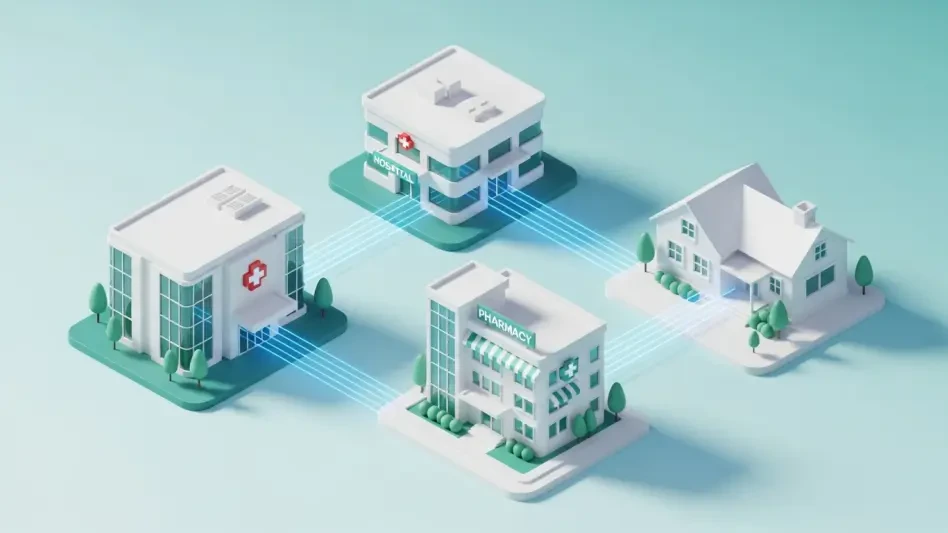

The seamless exchange of health information represents the essential foundation of modern medicine, yet the true heartbeat of the industry remains the human connection between patients, caregivers, and clinicians. While technological discussions often prioritize the intricacies of coding standards and data protocols, interoperability is fundamentally a socio-technical necessity that transcends mere bits and bytes. When information systems fail to communicate effectively, the resulting friction does more than just slow down clinical operations; it actively erodes the sacred relationship between the provider and the person seeking care. In an environment where every second counts, the inability to access a complete medical history or a current medication list can transform a routine visit into a source of immense stress. This disconnection shifts the burden of data management onto the individuals who are often in the middle of a health crisis. Consequently, the challenge for the healthcare industry is no longer just about building the pipes for data transfer but about ensuring that those pipes carry the weight of professional and personal trust.
The urgency of this issue is felt most acutely by the members of the “sandwich generation,” who find themselves simultaneously managing the complex medical needs of aging parents and their own children. For these families, navigating the fragmented healthcare landscape frequently involves a chaotic and exhausting mix of disjointed patient portals, physical calendars, and incomplete text messages. These administrative hurdles create a heavy logistical burden that introduces a pervasive sense of doubt into the overall patient experience. When a medical system cannot successfully coordinate basic logistical details, such as specialty referrals or insurance-mandated prior authorizations, families naturally begin to question the underlying quality of the actual clinical care being provided. This realization shifts the definition of interoperability from an abstract technical concept to a vital tool for human connection and burden reduction. By eliminating the administrative “noise” that surrounds a patient’s journey, technology can finally move from being a barrier to becoming a bridge that supports the emotional and physical well-being of everyone involved.
The High Cost of Information Gaps
This erosion of trust can be viewed through the framework of a metaphorical “trust bank,” where every seamless exchange of information serves as a significant deposit into the health system’s account. Conversely, every missing clinical detail, redundant medical question, or lost authorization acts as a withdrawal that depletes the reservoir of confidence patients have in their providers. Currently, the healthcare industry is facing a significant trust deficit because the frequency of logistical failures and data gaps often outpaces the number of successful, effortless interactions. By forcing patients and already stressed caregivers to act as the primary manual coordinators of their own medical data, the system places the heaviest responsibility on those who are least equipped to handle the technical complexities of health information management. This systemic failure not only diminishes the patient experience but also complicates the work of clinicians who must make critical decisions based on an incomplete picture of the individual’s health history.
The consequences of these information gaps are not merely frustrating or time-consuming; they are statistically dangerous and lead to measurable harm within the clinical environment. Research conducted throughout 2026 indicates a direct and undeniable correlation between fragmented data systems and poor patient outcomes, particularly during the high-risk periods of care transitions. For instance, data analyzing thousands of hospital discharges reveals that patients whose outpatient care teams do not receive a timely and accurate discharge summary face a 79% increase in seven-day readmissions. These “black holes” in the care continuum prove that interoperability is a matter of immediate physical safety, making the reliable flow of information a clinical requirement rather than a technical luxury. When information is “out of sight,” patients are placed in immediate jeopardy, highlighting the fact that the primary goal of data exchange must be the reduction of preventable medical errors and the improvement of long-term recovery rates for all individuals.
Strengthening the Regulatory and Structural Foundation
The healthcare industry currently stands at a pivotal turning point, largely driven by the momentum of the 2025 Centers for Medicare & Medicaid Services Interoperability Pledge. This initiative has successfully shifted the industry-wide conversation from whether data can be shared to how it can be shared with absolute reliability and clinical relevance. To support this necessary shift, the establishment of the Trusted Exchange Framework and Common Agreement, alongside the rollout of Qualified Health Information Networks, is providing the legal and technical “plumbing” required for nationwide data exchange. These structures aim to standardize the way information moves across diverse geographic and institutional boundaries, ensuring that a patient’s data follows them regardless of where they seek treatment. This structural evolution is essential for moving away from a world of isolated data silos toward a unified ecosystem where information is treated as a collective asset for the benefit of the patient’s health.
However, building the physical and legal infrastructure is only half of the battle, as the “trust ingredient” remains the essential component that determines the ultimate success of these networks. While frameworks provide the necessary pathways for data movement, the information itself must be consistent, complete, and immediately useful at the moment of care to be considered effective by frontline clinicians. The primary goal for health-tech leaders is to ensure that the underlying technology supports the physician’s workflow without adding burdensome steps to their already overextended day. By focusing intensely on the quality and utility of the exchanged data, the industry can ensure that the new technical foundations actually lead to better clinical decisions rather than just an overwhelming volume of unorganized information. This commitment to data integrity ensures that the information received is not just present, but also trustworthy and actionable in a high-pressure medical setting.
Automating Workflows: Improving Patient Outcomes
Practical solutions for restoring trust and improving systemic efficiency can be found by directly addressing specific friction points, such as the often-maligned prior authorization process. Recent industry surveys show that a vast majority of physicians report that delays caused by manual authorization processes frequently lead to patients abandoning their treatment plans entirely. By automating these workflows directly within the electronic prescribing process, the healthcare system can eliminate these “invisible” barriers that prevent timely access to necessary medications. This shift allows the doctor-patient relationship to remain focused on the path to recovery rather than being bogged down by administrative red tape and bureaucratic delays. When the logistical path to treatment is cleared through automation, it effectively refills the “trust bank” by demonstrating that the system is designed to facilitate, rather than hinder, the delivery of essential medical care.
Ultimately, the most successful innovations in healthcare technology are those that eventually become “invisible” to the end user by functioning flawlessly in the background. True interoperability allows information to flow effortlessly between disparate systems, closing critical gaps in medication adherence and ensuring that vital discharge summaries never go missing during transitions. When technology handles the heavy administrative burden, it empowers healthcare providers to focus their entire attention on the patients sitting in front of them. By solving high-impact problems like pharmacy handoffs and prior authorizations, the industry can create a connected, responsive system that finally works the way patients and families expect it to. Moving forward, the focus must remain on strengthening this underlying infrastructure to ensure that data remains a reliable tool for healing. The transition to a more integrated system will require continuous investment in standardizing data formats and incentivizing the open exchange of information across all competitive boundaries.







