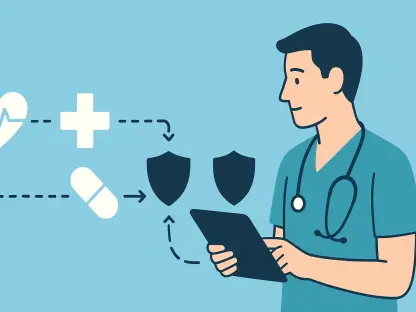

A quiet yet pervasive crisis is currently unfolding across the American healthcare landscape, where the sheer complexity of drug logistics often compromises the very care it is meant to support. While high-profile headlines frequently celebrate clinical breakthroughs in diagnostic algorithms and personalized oncology, a far more practical and immediate revolution is taking place within the pharmacy supply chain. Modern healthcare organizations are currently wrestling with deep-seated structural inefficiencies that drain nearly a billion dollars and millions of labor hours from the national system every single year. By shifting the strategic focus from flashy medical breakthroughs to the grit of operational stability, health systems are finally beginning to address a critical failure point that impacts every level of the patient experience. This transition represents a fundamental change in how administrators view technology, moving it from a specialized research tool to the essential backbone of hospital survival.
The Financial Strain of Antiquated Systems
The ongoing drug shortage crisis represents much more than a simple logistical headache for providers; it has evolved into a financial and operational catastrophe for hospitals across the country. Recent industry data indicates that these chronic shortages impose an aggregate annual cost of approximately $900 million on U.S. health systems, while pharmacy teams collectively lose twenty million hours just trying to locate essential products. This staggering drain on human and financial resources highlights a supply chain model that is fundamentally unsustainable and in desperate need of a comprehensive technological overhaul. Without a change in strategy, the cost of procurement will continue to rise as global markets become more volatile. These losses are not just abstract numbers on a balance sheet; they represent missed opportunities to invest in new treatments, facility upgrades, or additional staffing that could directly improve patient outcomes and safety.
Much of this systemic instability stems from a continued reliance on manual inventory management across diverse hospital environments, ranging from remote satellite pharmacies to sterile IV rooms. Managing thousands of distinct pharmaceutical products, each with its own unique expiration date, storage requirements, and lot number, is a cognitive task that now far exceeds human capabilities in a high-pressure setting. When these manual systems inevitably falter, the resulting burden falls heavily on frontline pharmacists and nurses who are forced to abandon their primary clinical duties to handle emergency sourcing. This administrative “firefighting” creates a dangerous ripple effect, as the time spent chasing down a missing vial of a critical medication is time taken away from verifying dosages or consulting with physicians. The result is a workforce that is perpetually exhausted by clerical tasks, leaving the system vulnerable to human error and sudden shifts in availability.
Bridging the Divide Between Data and Distribution
Despite the widespread digital transformation of electronic health records, the pharmacy supply chain remains largely disconnected from the broader clinical ecosystem in many modern facilities. A significant majority of healthcare leaders now report a persistent “visibility gap” where clinical demand records and supply chain management software fail to communicate in real-time. This fragmentation forces dedicated staff to rely on manual shelf checks and archaic spreadsheets rather than dynamic data streams, leaving entire health systems vulnerable to market disruptions or sudden spikes in patient volume. When a surgeon schedules an influx of procedures, the supply chain often remains unaware until the physical stock is depleted, creating a reactive environment that is constantly playing catch-up. Bridging this gap requires a move away from siloed software toward integrated platforms that treat inventory and clinical care as two sides of the same coin.
The pharmacy supply chain provides a natural environment for artificial intelligence because the challenges it presents are exceptionally well-defined, data-heavy, and repetitive in nature. While humans naturally struggle to monitor thousands of moving parts across multiple locations simultaneously, AI excels at processing these vast datasets to ensure both regulatory compliance and inventory accuracy. By automating the logical rules of replenishment and tracking, healthcare organizations can effectively eliminate much of the friction that currently slows down their daily operations. These algorithms do not tire or overlook small details, making them ideal for the high-stakes world of pharmaceutical tracking where a single expired medication can lead to significant safety risks. Instead of replacing human oversight, these tools serve as a force multiplier, allowing supply chain managers to see through the noise of daily transactions and focus on high-level strategic decisions.
Tactical Integration of Intelligence and Infrastructure
Practical applications of artificial intelligence, such as automated inventory monitoring and advanced demand forecasting, are already proving their worth in several pioneering health networks. By utilizing sophisticated tools like Radio Frequency Identification tracking combined with machine learning models, pharmacies can now predict future needs based on procedure schedules and seasonal trends. This allows for a level of proactive sourcing that was previously impossible, effectively preventing the frantic last-minute scramble for medications that occurs when supplies run low. For instance, an AI system might analyze local weather patterns and historical admission data to anticipate a surge in respiratory illnesses, prompting the pharmacy to secure extra nebulizer solutions before the market tightens. This forward-looking approach ensures that essential treatments are always available at the point of care, significantly reducing the stress on the procurement team.
However, the long-term success of any AI-driven initiative depends entirely on the quality and consistency of the underlying data fed into these advanced computational models. Many ambitious projects fail because critical information remains trapped in organizational silos or is recorded using wildly inconsistent naming conventions across different departments. Before health systems can truly reap the benefits of predictive tools, they must prioritize the standardization of their “item masters” and ensure that their data platforms are fully integrated. This means ensuring that every department, from the main warehouse to the emergency department, uses the same language to describe the same products and dosages. Without this foundational work, even the most sophisticated AI will produce hallucinations or inaccurate predictions based on flawed logic. Achieving this level of data cleanliness requires a disciplined commitment to governance and a cultural shift toward data literacy.
Transforming Operational Efficiency Into Clinical Excellence
Beyond the immediate improvements to the financial balance sheet, the true promise of artificial intelligence in the supply chain is the ability to return time to the workforce. The millions of labor hours currently lost to managing shortages and manual tracking are equivalent to thousands of full-time positions that could be redirected toward patient-centered care. By using technology to handle the operational “noise” and administrative drudgery, hospitals can finally allow their most highly skilled professionals to focus on the specialized work they were trained to perform. Pharmacists can transition from being inventory clerks to active members of the clinical rounding team, providing essential guidance on drug interactions and personalized medication therapy. This shift not only improves the quality of care but also addresses the widespread burnout that has plagued the healthcare industry by making the daily work more meaningful and patient-focused.
In the final analysis, the integration of intelligent systems into the pharmacy supply chain demonstrated that operational resilience was the primary driver of improved patient safety. Health systems that prioritized the clean integration of their data sets and the deployment of predictive analytics moved away from the reactive “firefighting” of the past. These organizations established a more stable foundation where medication availability was no longer a variable but a constant, allowing clinical teams to operate with newfound confidence. Moving forward, the focus shifted toward expanding these integrated networks to include manufacturers and distributors, creating a truly end-to-end digital ecosystem. By treating the supply chain as a strategic asset rather than a back-office expense, healthcare leaders effectively ensured that the right treatments reached the right patients without the burden of manual intervention. This evolution ultimately proved that technology was most effective when it worked silently in the background.