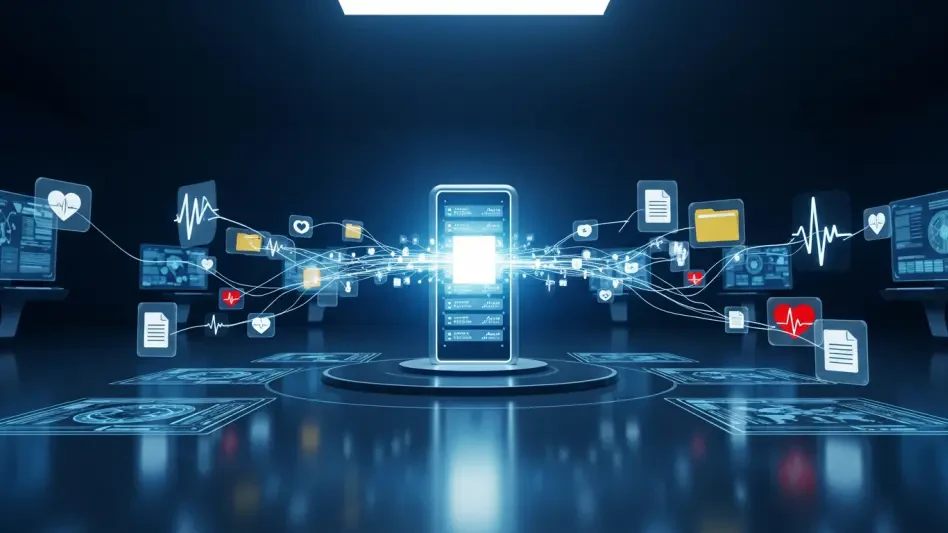

The historical reliance on fragmented electronic health records often creates significant hurdles for medical professionals trying to provide immediate and accurate treatment during critical healthcare moments. At the McPherson Center for Health, a fundamental shift is approaching as the facility prepares to deploy the MEDITECH Expanse platform on July 1. This initiative represents much more than a routine software update; it is a total digital transformation of the local healthcare infrastructure designed to centralize information. By consolidating various departmental data into one cohesive environment, the hospital aims to eliminate the silos that traditionally delayed communication between labs and physicians. This modernized approach ensures that every stakeholder in a patient’s journey has instantaneous access to the same high-quality data. Consequently, the focus shifts from managing technical paperwork to delivering focused, patient-centered care.
Streamlining Clinical Communication: Breaking Silos
Breaking down the communication barriers that frequently exist between primary care doctors and specialists remains a top priority for this technological investment. When different medical branches operate on incompatible systems, the resulting lag in data sharing can lead to redundant testing or delays in life-saving procedures. The integration of MEDITECH Expanse addresses these inefficiencies by creating a connected care ecosystem where updates are reflected in real-time across the network. This means that a surgeon in a specialized clinic and a nursing team in the general ward are looking at identical, up-to-the-minute records. Such synchronization significantly reduces the administrative burden on clinical staff, allowing them to devote more time to direct patient interaction rather than chasing down missing files. Furthermore, this transparency allows for a more holistic view of the patient history, facilitating better-informed clinical decisions based on evidence.
A critical component of this transition involves empowering patients to take a more active role in their health management through the introduction of a sophisticated patient portal. Starting on the launch date of July 1, individuals with scheduled appointments will receive secure registration links via email to facilitate a seamless onboarding process. This new digital gateway, accessible through the MHealth mobile application, provides a suite of tools that were previously unavailable or difficult to navigate for the average user. Patients can now view laboratory results the moment they are finalized, send secure messages directly to their medical team, and request prescription refills with just a few taps on a smartphone or tablet. By providing this level of accessibility, the hospital fosters a culture of transparency and proactive health monitoring. Instead of waiting for a phone call, patients stay informed in real-time, which reduces the anxiety associated with testing.
Transitioning Legacy Information: Preparing for Migration
As the institution migrates toward this advanced ecosystem, the existing MyCareCorner platform will be phased out to make room for more robust technological capabilities. This transition necessitates a proactive approach from community members to ensure that their personal health histories remain accessible for their own records. Patients are strongly encouraged to log in to the old system before the July 1 deadline to download any pertinent medical documents or history summaries they wish to retain personally. While the internal hospital records will be securely archived, the direct user access provided by the legacy software will eventually cease to function as a live repository. After the transition is complete, obtaining historical data that was not migrated will require a manual request through the medical records department. This protective measure ensures that while the software changes, the integrity and availability of longitudinal health data are maintained.
Recognizing that any significant technological shift can be daunting for users of varying technical proficiencies, the hospital has established a comprehensive support network. Dedicated staff members have been trained as digital navigators to assist patients in mastering the new portal and mobile application interfaces. These specialists are available to troubleshoot login issues, demonstrate how to navigate the appointment scheduling features, and explain the various security protocols that protect sensitive information. Additionally, the facility has launched a dedicated telephone help line and updated its website with instructional resources to guide the community through the initial setup phases. While the first few weeks of the implementation may present a learning curve, these support structures are designed to mitigate frustration and ensure a smooth go-live period. The ultimate objective is to create a healthcare environment where technology serves as a bridge.
Investing in Community Future: Sustainable Leadership
The successful realization of this massive project is the result of a strategic vision spearheaded by CEO Tanner Wealand and COO Charity Clark, who recognize technology as a pillar of modern care. Significant financial backing from the McPherson Healthcare Foundation, along with generous contributions from local donors, provided the necessary resources to acquire and implement this high-tier platform. This investment reflects a deep commitment to keeping the facility technologically competitive with larger urban medical centers while maintaining its identity as a community-focused provider. By modernizing its digital infrastructure, the hospital ensures it can attract and retain top-tier medical talent who expect to work with the latest diagnostic and record-keeping tools. This regional advancement demonstrates that high-quality, data-driven healthcare is achievable through local collaboration. The project underscores the importance of community support in driving the evolution of services.
To ensure the long-term success of this initiative, the administration finalized several key protocols that prioritized data security and user engagement as primary objectives. It became clear that the true value of the MEDITECH Expanse platform depended on the community’s willingness to integrate these digital tools into their daily health routines. Moving forward, the hospital decided to schedule regular town hall meetings and digital literacy workshops to keep patients informed about upcoming feature releases and security updates. These proactive steps allowed the facility to address potential issues before they escalated into systemic problems, ensuring a high level of trust between the providers and the public. By focusing on continuous education and technological refinement, the leadership team created a sustainable model for regional healthcare that favored adaptability over stagnation. This approach ensured that the technological foundation remained robust enough to handle medical challenges.