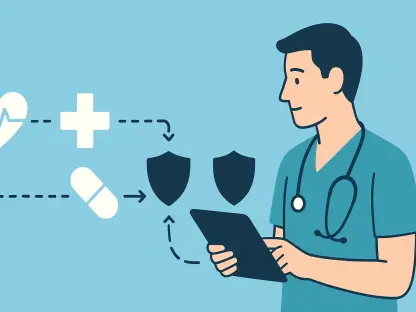

Clinicians must adapt to new digital workflows as the federal government replaces decentralized legacy systems with a single interoperable medical platform. This expansive transition from the aging VistA architecture to a modern, cloud-native environment represents one of the most significant shifts in the history of government-led healthcare initiatives. By consolidating records from the Department of Veterans Affairs, the Department of Defense, and the Coast Guard into a unified structure, the initiative seeks to eliminate the fragmented data silos that have historically complicated the continuity of care for service members transitioning to veteran status. The implementation focuses on creating a lifelong health record that remains accessible and accurate across thousands of federal and community-based facilities. This effort is not merely a technical upgrade but a fundamental reimagining of clinical documentation, requiring precision and a robust commitment to user training.
Bridging the Gap Between Defense and Veteran Care
The core of this modernization effort lies in the seamless integration of patient data across the entire federal healthcare landscape. Through the work of the Federal Electronic Health Record Modernization office, the government has established a shared platform that allows for the real-time exchange of medical information between diverse agencies. This interoperability is crucial for veterans who often receive care from multiple sources, including specialized VA clinics and private sector community partners. The system utilizes the Joint Health Information Exchange to connect with a vast network of hospitals and pharmacies, ensuring that clinicians have an immediate and comprehensive view of a patient’s medical history, allergies, and ongoing treatments. By providing a single source of truth, the platform reduces the risk of diagnostic errors and minimizes the need for redundant testing, which often occurs when medical records are delayed or incomplete during the transfer of care.
Technical synchronization for such a massive database required the development of sophisticated data mapping strategies to ensure that decades of legacy information remained usable. Engineering teams focused on standardizing clinical terminology and data fields so that historical records from the previous decentralized systems could be accurately interpreted by the new platform’s algorithms. This process involved migrating billions of data points while maintaining the integrity of sensitive information, such as surgical histories and mental health documentation. From 2026 to 2028, the technical roadmap emphasized the optimization of system performance to ensure that the user interface remained responsive under heavy clinical loads. The infrastructure was designed to support high-volume data processing and advanced cybersecurity protocols, safeguarding patient privacy against evolving digital threats. This robust technical foundation serves as a prerequisite for future clinical enhancements.
Implementing Sustainable Solutions for Long-Term Success
Successful adoption of the new digital platform depends significantly on addressing the human element of clinical operations. To mitigate the challenges associated with change fatigue, the rollout included comprehensive training initiatives tailored to the specific needs of different medical specialties. These programs utilized a mixture of classroom instruction and hands-on simulation, allowing nurses, doctors, and administrative staff to practice workflows in a risk-free environment before using the system with patients. The appointment of on-site support staff and the creation of a network of peer experts ensured that technical issues could be resolved quickly at the point of care. Furthermore, the new interface was designed with a focus on usability, incorporating feedback from frontline clinicians to streamline the most common tasks, such as ordering medications and documenting patient encounters. By reducing the time spent on manual data entry, the system aimed to improve the efficiency of care.
Decision-makers recognized that the long-term viability of the electronic record system required a shift from deployment to continuous operational improvement. They prioritized the stabilization of the technical architecture and ensured that cybersecurity measures were updated to reflect the most current federal standards for data protection. The organization established a culture of technical adaptability, where software updates and workflow modifications were implemented based on real-world usage data collected across the network. Stakeholders also expanded the reach of patient-facing portals, which empowered veterans to take a more active role in managing their health information and scheduling appointments. By standardizing protocols across all regions, the agency prevented the re-emergence of localized data discrepancies that had hindered previous record-keeping efforts. The investment in a unified platform facilitated a more data-driven approach to healthcare for the nation’s veterans.