
The modern dairy landscape is currently navigating a complex intersection of environmental necessity and biological engineering as climate-related stressors begin to reshape the global food supply chain. Livestock producers across the country are grappling with the reality of rising temperatures that directly impact milk yield and animal health, prompting a search for resilient solutions. Genetic research has recently pivoted toward gene editing to develop “climate-smart” cattle, which are specifically engineered to withstand heat stress while maintaining high productivity levels. Beyond environmental adaptation, these biotechnological tools allow for the creation of dairy products with distinct nutritional advantages, such as milk that is naturally free from common allergens. However, the commercial viability of these innovations does not solely depend on the sophistication of the laboratory work or the efficiency of the farm operations. The ultimate success of gene-edited dairy products is contingent upon the willingness of the average shopper to buy these items.
Analyzing Market Dynamics: Technological Distinctions
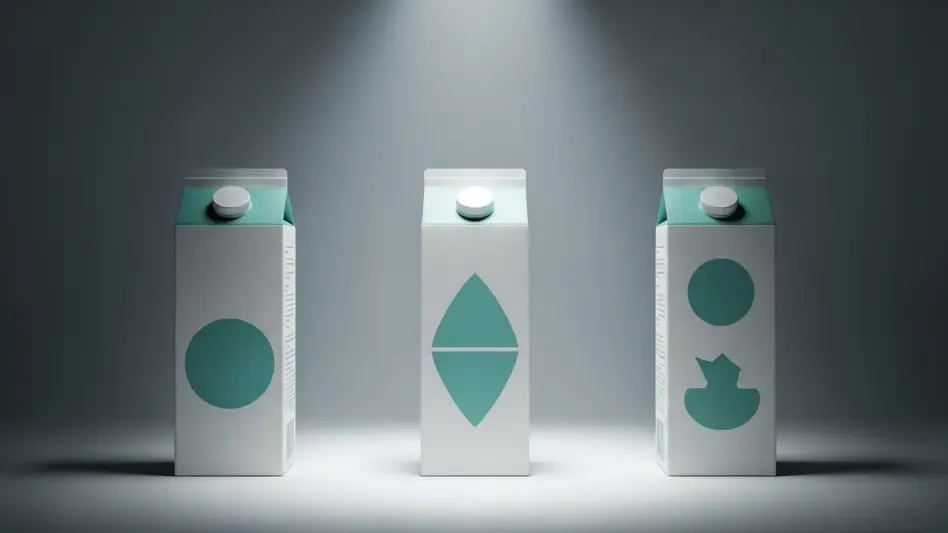
To understand the potential for market adoption, it is essential to distinguish modern gene editing from earlier forms of genetic modification that faced significant public backlash. Unlike traditional transgenic techniques, gene editing involves precise alterations to an organism’s existing DNA, often mimicking mutations that could occur naturally through breeding. This technology allows scientists to remove or enhance specific traits without introducing foreign genetic material from other species, a distinction that many industry advocates believe will lead to higher public trust. Recent academic research involving a controlled study of 1,100 participants provided deep insights into how these technical nuances influence purchasing decisions. By utilizing a “choice experiment” that simulated a genuine supermarket experience, researchers were able to observe how participants interacted with a variety of milk labels, including conventional and organic options. The results indicated that the method of production was only one factor in a complex decision-making process.
Data from the choice experiments revealed that familiarity and established habits remain the primary drivers of consumer behavior in the dairy aisle, with most people preferring conventional milk. This preference reflects a natural human tendency toward the status quo, especially when it comes to dietary staples that have been consumed for generations without major technological shifts. However, the study also demonstrated that price sensitivity is an equally influential factor that can override initial hesitation toward new technologies. When gene-edited milk was offered at a lower price point than conventional or organic alternatives, a significant portion of the participant group was willing to make the switch. This economic reality suggests that for many households, the practicalities of a weekly budget carry more weight than abstract concerns about the methods used to produce their food. If dairy companies can leverage the efficiency of gene-edited herds to offer affordable products, they may find a clear path to mainstream market entry.
Prioritizing Tangible Benefits: Consumer Trust
Acceptance patterns shifted noticeably when consumers were presented with different types of gene-edited enhancements, revealing a preference for direct personal health benefits. Products marketed as being “allergy-free” saw much higher levels of acceptance than those that focused on more abstract or complex advantages like COVID-19 protection or reduced methane emissions. This indicates that shoppers are far more likely to embrace biotechnology when it solves a specific, immediate problem within their own lives or for their family members. While the scientific community often highlights the ability to engineer cattle for environmental sustainability, these goals appear less persuasive to the average person standing in a grocery store. The clarity of a health-related value proposition creates a bridge of trust that technical descriptions of DNA splicing cannot achieve. Consequently, the first wave of successful products will likely be those that address chronic dietary issues, providing a functional utility that justifies the departure from traditional milk.
The evolution of the dairy market demonstrated that acceptance was a gradual process driven by a combination of competitive pricing and the delivery of clear functional benefits. Successful companies prioritized the consumer experience, ensuring that every technological leap was accompanied by a tangible improvement in product quality or accessibility. Stakeholders recognized that the path forward required more than just biological innovation; it demanded a deep understanding of human psychology and economic behavior. By focusing on products that addressed specific health needs while maintaining affordability, the industry effectively bridged the gap between the laboratory and the kitchen table. Moving forward, the most effective strategy involved integrating these advancements into a transparent supply chain that valued consumer choice above all else from 2026 to 2028. This period of transition proved that when people were given affordable and beneficial options, they were willing to embrace the future of food.