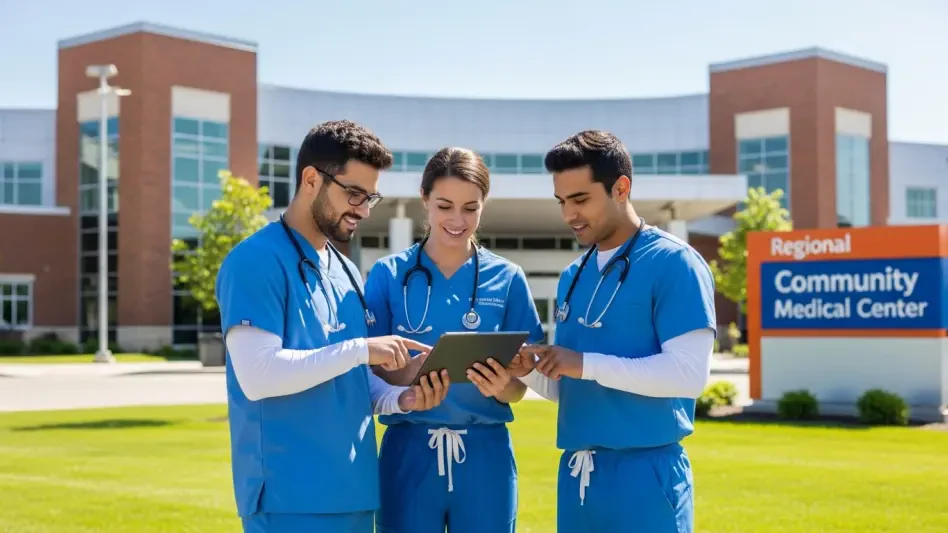

Across the vast landscapes of rural Virginia, the disparity in medical access has long created a silent crisis where geographic distance often dictates the quality of life for thousands of families. This persistent challenge necessitated a transformative approach to medical education, leading to the development of the VCU Health Community Memorial Hospital Family Medicine Residency Program. By focusing specifically on a Rural Track in South Hill, this initiative serves as a critical bridge between high-level academic theory and the boots-on-the-ground reality of small-town clinical practice. Early-career physicians are no longer confined to the sterile, high-volume environments of urban centers; instead, they are immersed in a setting where the physician’s role extends far beyond the exam room. This strategic partnership acknowledges that rural healthcare is not merely a subset of general medicine but a distinct discipline requiring specialized training in resource management and patient advocacy. By situating residents in these underserved areas, the program actively works to dismantle the barriers that have historically isolated rural populations from modern health advancements.
Strategic Alliances: Cultivating Deep Roots in Local Communities
The success of the South Hill initiative is fundamentally anchored in the transition toward relationship-based medicine, a model that prioritizes long-term patient-provider bonds over transactional efficiency. In many metropolitan hospitals, the sheer volume of patients often results in a fragmented experience where the personal history of the individual is secondary to the immediate symptoms. However, residents in the rural track have discovered that in a community where everyone is connected, clinical efficacy is deeply tied to the level of trust established between the doctor and the public. By engaging with families over several years, these physicians develop a holistic understanding of patient health that encompasses familial history, lifestyle habits, and local environmental factors. This continuity of care is not just a luxury; it is a vital diagnostic tool that allows for earlier interventions and more accurate chronic disease management. When a physician is a familiar face at the local grocery store or high school football game, the barriers to seeking medical advice begin to dissolve naturally.
Understanding the whole person requires residents to look beyond the clinical chart to recognize how socioeconomic variables and geographic isolation dictate the feasibility of medical advice. A prescription for a specific medication or a recommendation for a lifestyle change may be medically sound, yet practically impossible if a patient lacks reliable transportation or access to affordable fresh produce. The training curriculum encourages doctors to integrate themselves into the local social fabric, learning how to navigate these non-clinical hurdles alongside their patients. This deep community integration ensures that the healthcare provided is not only scientifically accurate but also culturally competent and realistically achievable for the residents of South Hill. As residents witness the direct impact of social determinants on health outcomes, they become more than just clinicians; they transform into advocates who understand the nuances of rural life. This approach ultimately fosters a healthcare environment where patients feel heard and valued, which significantly increases their willingness to adhere to complex treatment plans.
Professional Development: Clinical Versatility and Individual Growth
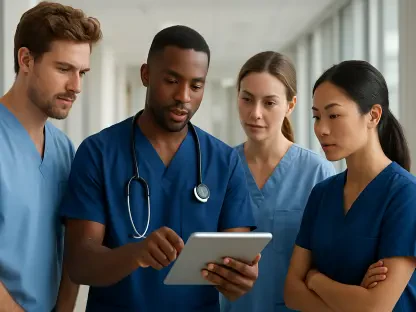
One of the most striking advantages of the Rural Track Program is the breadth of clinical experience it offers, forcing residents to maintain a much wider scope of practice than their peers in urban centers. In a large metropolitan hospital, a resident might be siloed into a specific department, but at Community Memorial Hospital, the lack of a massive specialized staff requires a generalist mindset. Residents find themselves moving seamlessly from the emergency department to labor and delivery, and from outpatient clinics to assisting in the operating room. This multidisciplinary exposure is essential because it prepares physicians to handle nearly any medical situation that might arise in a setting with limited immediate resources. The resulting professional growth is accelerated, as these early-career doctors must rely on a combination of deep clinical knowledge and creative problem-solving. This environment builds a high level of clinical confidence, ensuring that these practitioners are capable of delivering comprehensive care regardless of the complexity of the case or the proximity of a specialized tertiary care center.
Beyond the clinical tasks themselves, the program emphasizes a collaborative learning environment where residents benefit from the extensive experience of the local nursing and support staff. These veteran team members often possess decades of institutional knowledge regarding the specific needs and behaviors of the South Hill population, providing insights that no textbook could offer. They help residents identify which patients might struggle with medication compliance due to financial constraints or which families might need additional support from community services. This mentorship extends beyond the technical aspects of medicine, teaching residents the subtle art of communication and logistical management within a rural framework. By working closely with a dedicated team that understands the local landscape, residents learn how to maximize the efficiency of available resources to provide high-quality care. This collaborative atmosphere not only enhances the learning experience for the physicians but also strengthens the overall healthcare infrastructure by fostering a culture of mutual respect.
Workforce Solutions: Mitigating Scarcity through Strategic Recruitment
The chronic shortage of healthcare providers in rural America remains one of the most pressing challenges in the modern medical landscape, and this program serves as a proactive solution. National research consistently indicates that a physician is significantly more likely to establish a long-term practice in the same state or region where they completed their residency training. By creating a specialized rural track, VCU Health and Community Memorial Hospital are effectively building a sustainable pipeline of talent that is specifically tailored for the needs of Southern Virginia. This recruitment strategy is not just about filling vacancies for a few years; it is about cultivating a generation of doctors who are culturally and professionally invested in the success of the region. As of 2026, the program has demonstrated that early immersion in rural life can successfully counteract the trend of medical talent gravitating toward high-density urban areas. This localized approach ensures that the investment in medical education yields direct benefits for the local population.
The implications of this recruitment strategy extend far beyond the walls of the hospital, contributing significantly to the economic and social stability of the entire South Hill region. A robust healthcare system is a foundational requirement for community growth, as it attracts businesses and supports a healthy, productive workforce. When a community has a reliable source of skilled physicians, it reduces the need for residents to travel long distances for basic or emergency care, thereby keeping healthcare spending within the local economy. Furthermore, the presence of a residency program elevates the standard of care for everyone, as the infusion of new medical knowledge and academic rigor keeps the local medical community at the forefront of modern practices. By investing in the professional development of these residents, VCU Health is simultaneously investing in the long-term viability of the community itself. This model proves that a well-designed residency program can act as a catalyst for regional revitalization, addressing both the immediate medical needs and broader challenges.
Regional Impact: Establishing a Sustainable Model for the Future
The success of this medical initiative relied heavily on a synergistic relationship between the hospital and a diverse array of local organizations, including the Chamber of Commerce and regional school systems. This education beyond the walls philosophy ensured that residents were not merely visiting clinicians but were fully integrated members of the South Hill social fabric. Local leaders provided a support network that introduced these physicians to the unique cultural and recreational opportunities available in the region, making the transition to rural life both welcoming and rewarding. Such institutional support mitigated the feelings of professional isolation that often drive young doctors away from smaller practices. By fostering a sense of belonging, the community itself played an active role in the retention of medical talent, proving that the solution to healthcare shortages is as much about social integration as it is about clinical training. This holistic approach transformed the residency into a shared community project, where the success of the doctors was viewed as a victory for every citizen.
As the program evolved, it established a blueprint for rural healthcare delivery that prioritized sustainable community partnerships and comprehensive generalist training. Stakeholders recognized that the future of rural medicine depended on the intentional replication of this model in other underserved areas to ensure equitable access across the state. Medical institutions were encouraged to shift their focus toward localized training tracks that addressed the specific demographic needs of their surrounding territories rather than relying on generalized urban curricula. This shift necessitated a reevaluation of how resources were allocated, placing a higher value on the retention of practitioners who demonstrated a commitment to underserved populations. The results achieved in South Hill demonstrated that when clinical excellence was paired with deep community immersion, the gap in healthcare quality began to close. Future initiatives should continue to emphasize the integration of socioeconomic advocacy into medical education, as this remained the most effective method for improving long-term health outcomes.